




Content ITV PRO
This is Itvedant Content department
Setup CartForge and Configure Access
Business Scenario
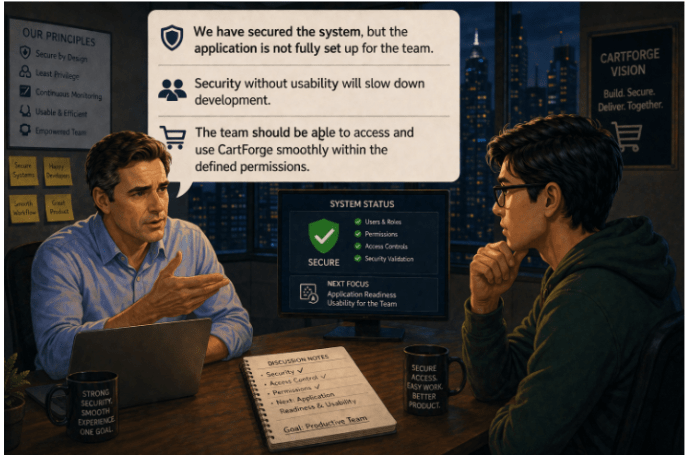
Permissions and access are secured, but CartForge still needs proper user setup, workflow organization, and team-ready configuration for full operational use.
The manager calls the Junior DevOps Engineer and explains:
“We have secured the system, but the application is not fully set up for the team.”
He continues:
“Security without usability will slow down development.”
“The team should be able to access and use CartForge smoothly within the defined permissions.”
Pre-Lab Preparation
What is EC2
Components of EC2
What is SSH
Explore the frequently used Port no
What is s3 and its Storage Classes
1
Go to AWS Console
a
Open AWS Console
b
Search for EC2
c
a
Click Launch Instance
2
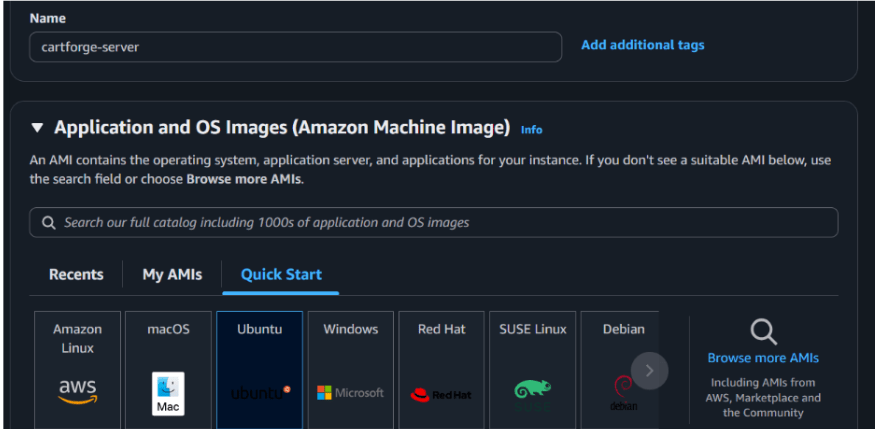
Configure Instance
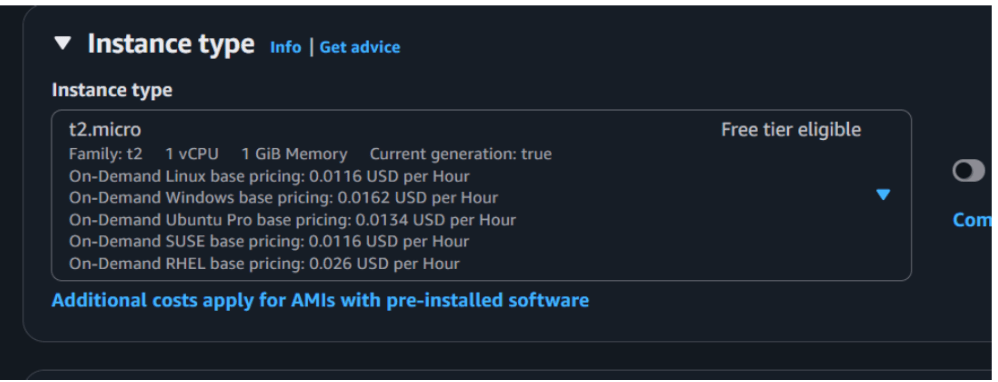
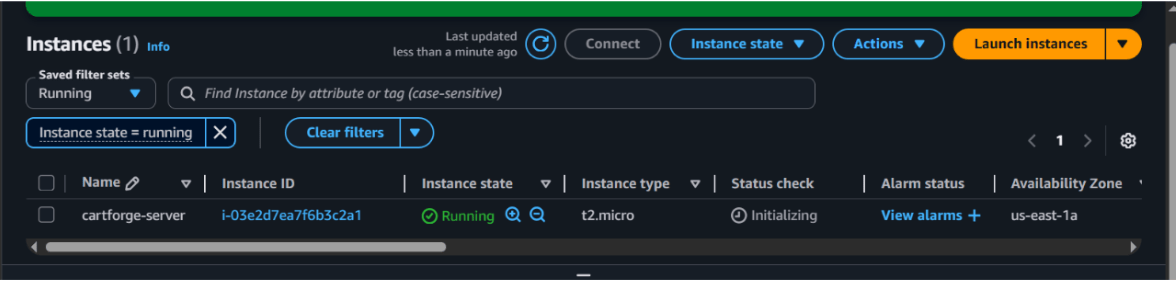
Name: cartforge-server
AMI: Ubuntu (latest)
If you have new account so you have to choose t3.micro
3
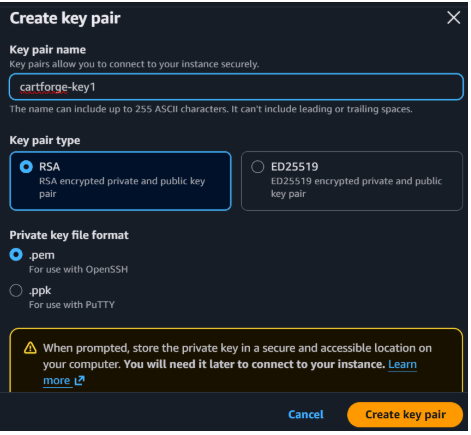
Create Key Pair
a
a
Click Create key pair
b
Name: cartforge-key
c
a
Download .pem file
4
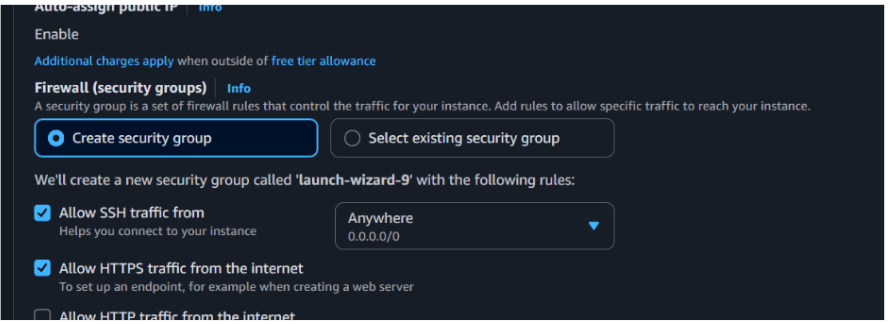
Network Settings
Allow these ports:
SSH (22) → for server access
HTTP (80) → for website
5
Launch Instance (Click Launch Instance)
6
Connect Using SSH
7
ssh -i cartforge-key.pem ubuntu@your-public-ip
Now you are inside your server.
8
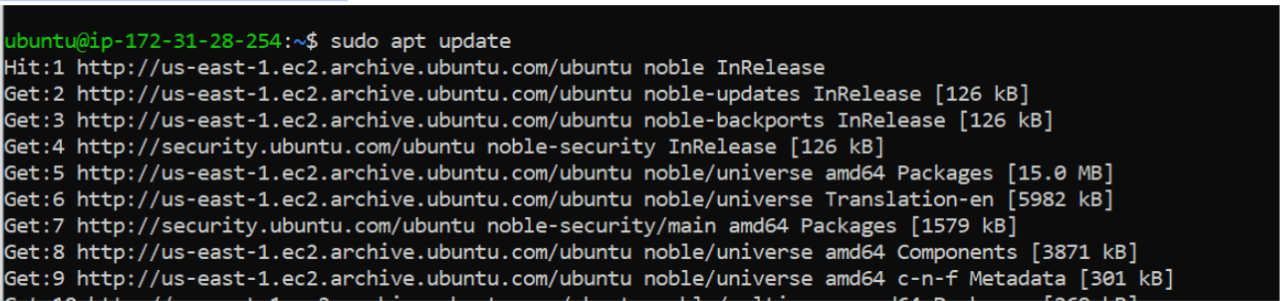
Update System
sudo apt update
sudo apt upgrade -y
9
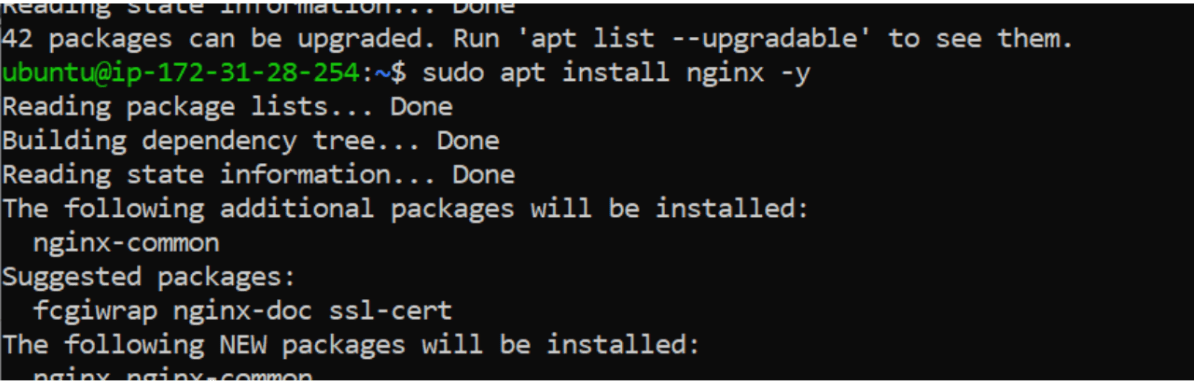
Install Web Server (Nginx)
sudo apt install nginx -y
10
Start Nginx
sudo systemctl start nginx
11
Enable Nginx
sudo systemctl enable nginx12
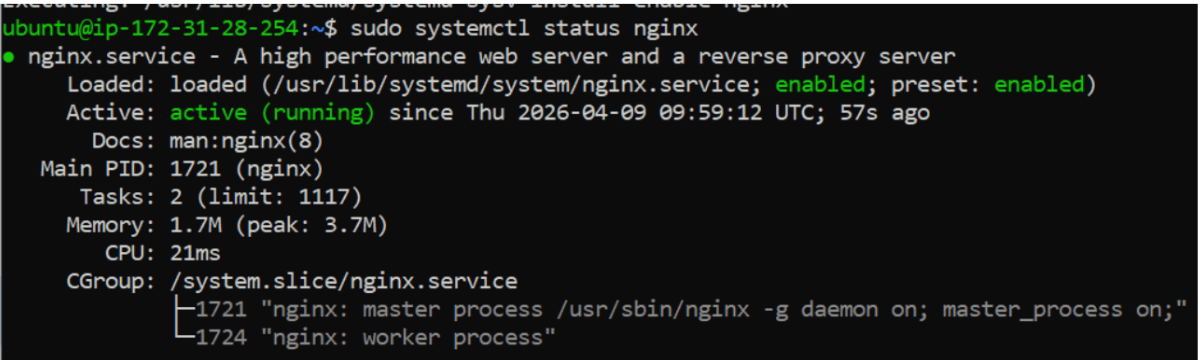
Check Status
sudo systemctl status nginx13
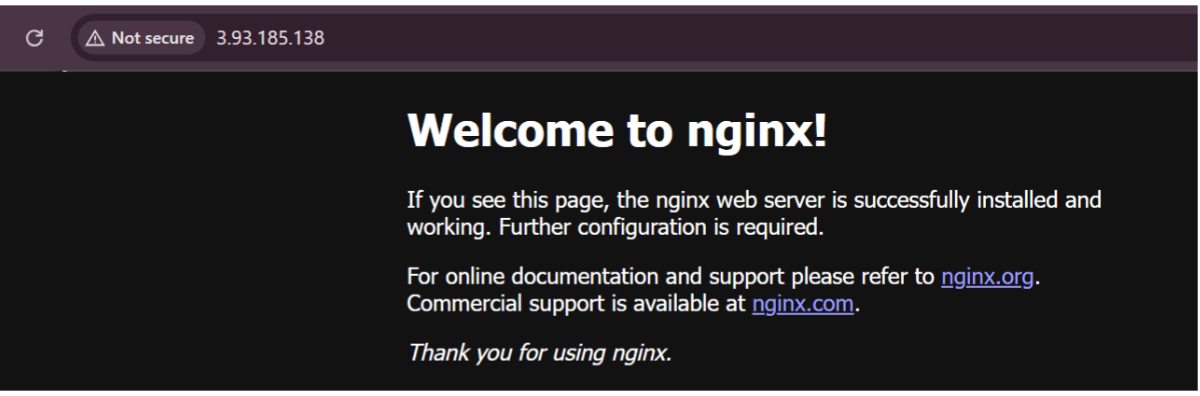
Verify Website
Pre-Lab Preparation
View food items and menus
Add items to cart
Place orders online
Topic : Weaving the world of Web
1) Navigating the world of Web
2) Building Blocks of Website,
3) Tag Titans: Fundamental Web Construct.
git pull origin branchNameGit Pull
Task 1: Understanding BRD
Before you start building anything, you need to clearly understand what the client actually wants.So, let’s begin by understanding the BRD (Business Requirement Document) shared by the client.
BRD Full Form is Business Requirement Details.BRD like a plan for building a house. This plan helps the builder understand what to build.In the same way,BRD tells developers what the client wants to build
Click to download BRD : BiteBox_BRD.pdf
Activity
After going through BRD list down the Core Features and Web Pages in the tabulated Format as shown Below.
| Col 1 | Col 2 | Col 3 |
|---|---|---|
| Row 1 | ||
| Row 2 | ||
| Row 3 |
Formula
Profit = Revenue - Cost
Task 2: Create WireFrame
Now that you understand the requirements, don’t jump into coding yet. Before development, we always visualize the layout.
Now lets create a simple wireframe for the homepage.
A wireframe is like a layout plan of a house. Before building, you decide where rooms, doors, and windows will be placed.Similarly, a wireframe helps you plan where elements like headers, images, and buttons will appear on a webpage—before adding design or colours.
Task 3: Code Editor Installation
Good work on completing the planning phase.
Now we will start development. Before that, make sure your system is ready with the required tools.
In this step we will install the VS code editor that will help to Write code efficiently,Organize files , Run and test your application
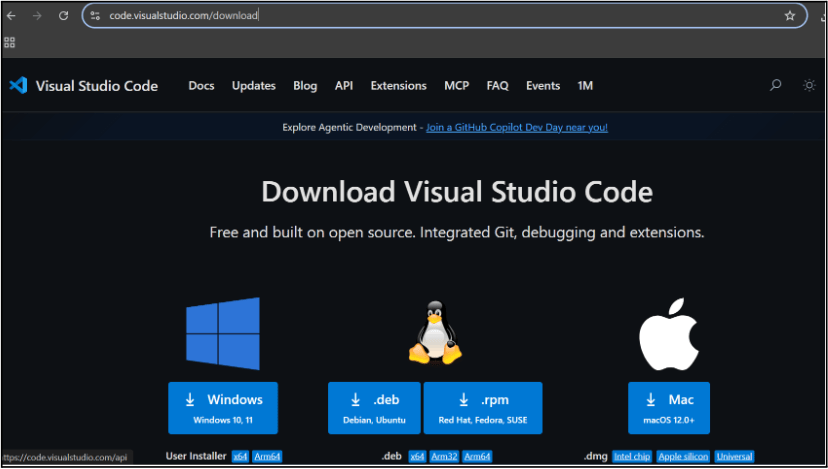
Go to the visual studio code official website
1
Click to download Homepage Wireframe : Homepage Wireframe
Choose your operating system(windows / Mac) and download the installation file.
Double click on the download app and Accept the agreement and click next
2
It is a long established fact that a reader will be distracted
b
Sub Steps
c
a
Double click on the download app and Accept the agreement and click next
public class MathSample {
    public static void main(String[] args) {
        int x = 10;
        int y = 20;
        int sum = x + y;

        System.out.println("The sum is: " + sum);
    }
}
public class MathSample {
public static void main(String[] args) {
int x = 10;
int y = 20;
int sum = x + y;
System.out.println("The sum is: " + sum);
}
}
public class MathSample {
public static void main(String[] args) {
int x = 10;
int y = 20;
int sum = x + y;
System.out.println("The sum is: " + sum);
}
}
Great job!
You have successfully completed your first lab on BiteBox Project Onboarding.
In this lab, you have: Understood the BRD, Created a wireframe, Set up your development environment, Organised your project structure, Run your first program
You are now ready to move to the next stage of development
Checkpoint
Next-Lab Preparation
Git Push
git push origin branchNameTopic : Working with a Text and Listin HTML
1) Power of HTML text tags
2) Customizing your style with CSS
3) Listing it right using HTML
4) HTML Link up , attributes of tag, block vs inline elements
Text box Width : 887
Business Scenario, Pre-lab Preparation, Next-lab Preparation, Task, Activity, Checkpoint : 90%.
Steps : 1,2,3 [Sub Steps - a,b,c]
Normal Text, Topic Name : 80%
Subtopic : 70%
Code Box font Size : 16px
By Content ITV