
























Content ITV PRO
This is Itvedant Content department
Learning Outcome
4
Classify and prioritize security incidents.
3
Describe the six IR lifecycle phases.
2
Differentiate Events, Alerts, and Incidents.
1
Explain Incident Response (IR) and its importance.
5
Identify Incident Response team roles.
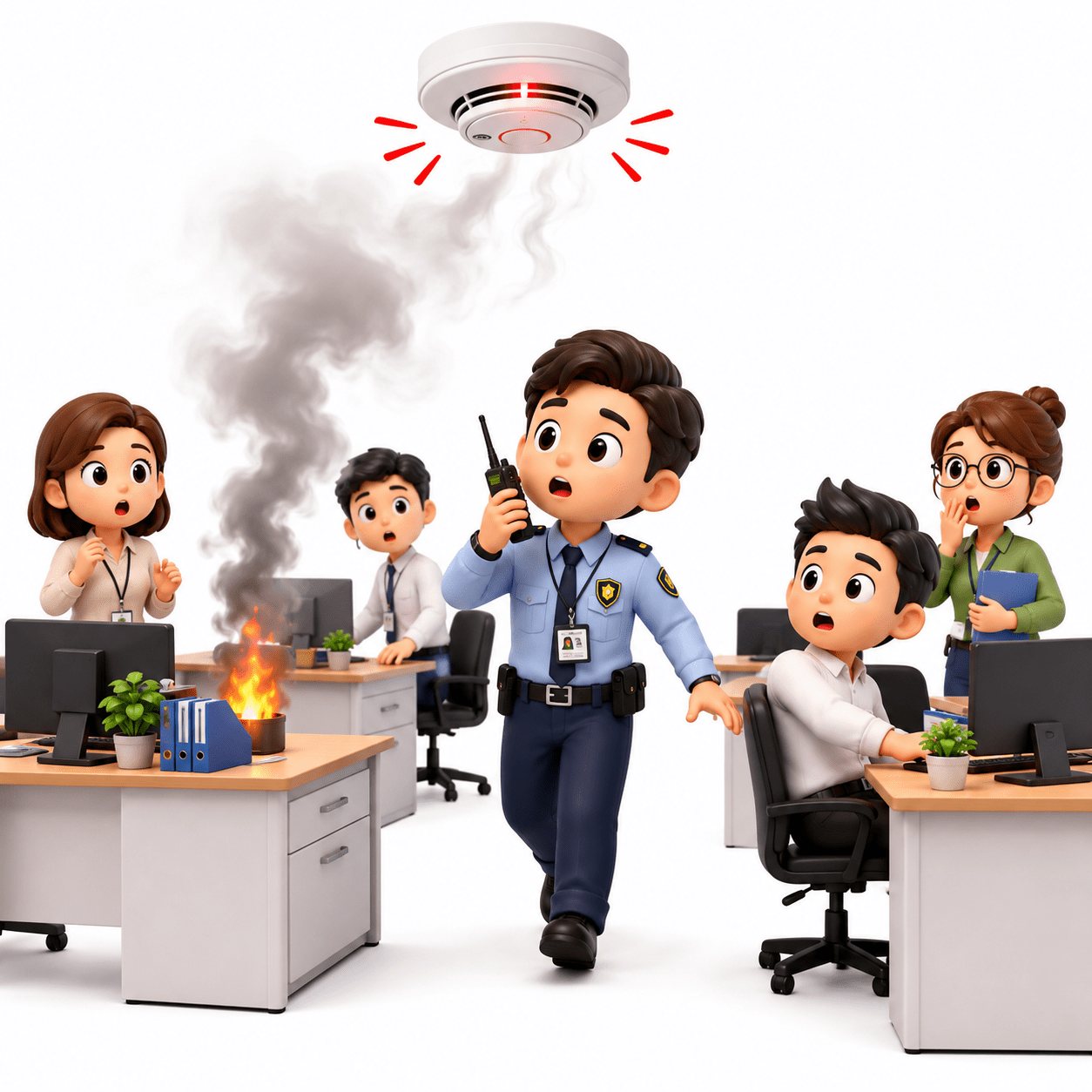
A fire suddenly starts in an office building. The smoke detectors immediately detect it and alert the security team.
Detecting the fire = Detection
Security guards evacuate employees and block access to the affected area so the fire does not spread.
Limiting the impact = Containment
Firefighters arrive and completely extinguish the fire.
Removing the threat = Eradication
After the fire is under control, the damaged areas are repaired and the office gradually returns to normal operations.
Restoring normal operations = Recovery
Investigators determine what caused the fire and recommend better safety measures to prevent a similar incident.
Improving future defenses = Lessons Learned
Introduction to Incident Response
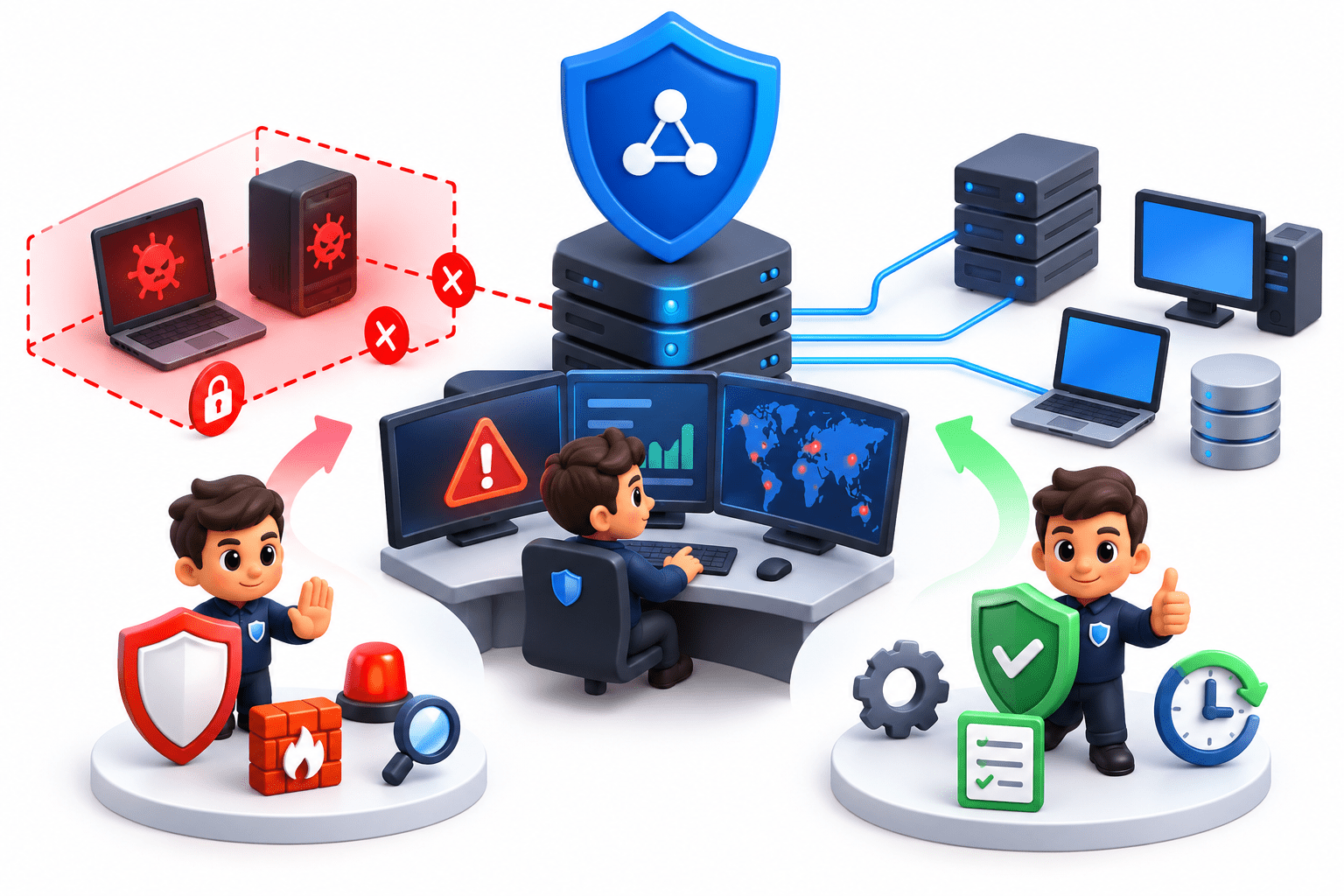
Incident Response (IR) is a structured process to identify, analyze, contain, eliminate, and recover from cybersecurity incidents. Its goal is to minimize damage and restore normal operations.
Importance
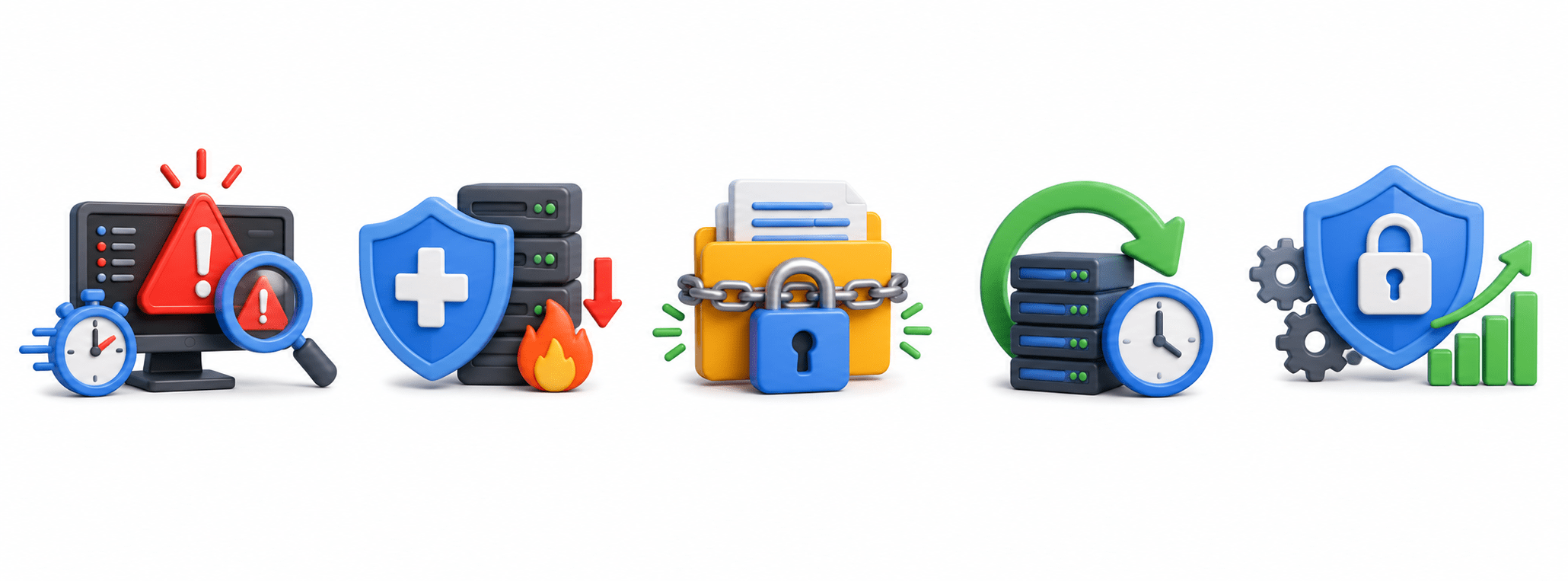
Detect incidents quickly
Reduce damage
Protect sensitive data
Improve recovery
Strengthen security
Goals of Incident Response
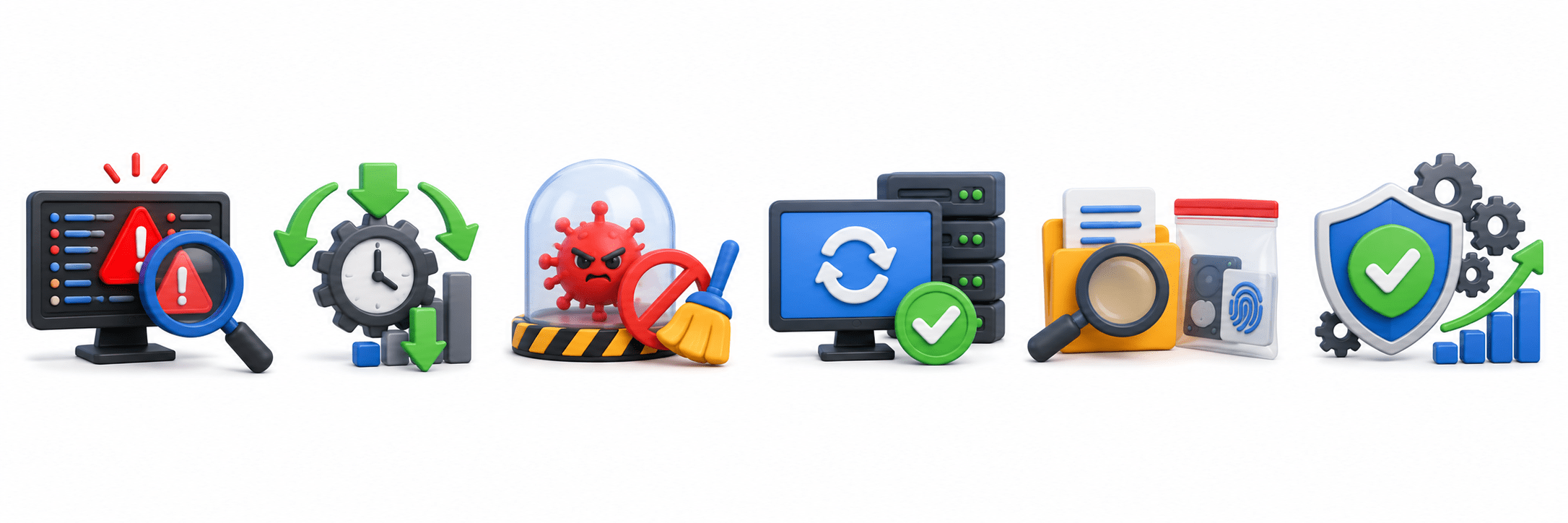
Identify incidents
Minimize disruption
Contain and eliminate threats
Recover systems
Preserve evidence
Prevent future incidents
Security Incident
A security incident is an event that threatens the confidentiality, integrity, or availability of systems or data.
Examples:
Malware, phishing, unauthorized access.
Event vs Alert vs Incident
Security Event: Observable activity, such as login or file access.
Security Alert: Notification of suspicious activity.
Security Event: Observable activity, such as login or file access.
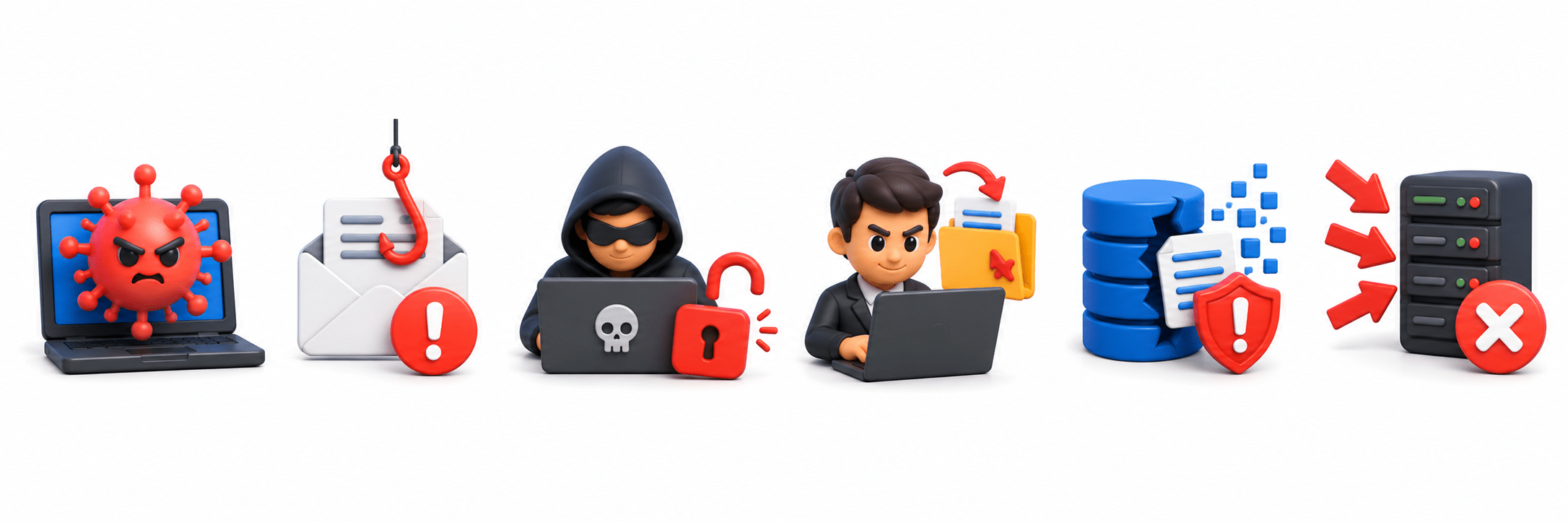
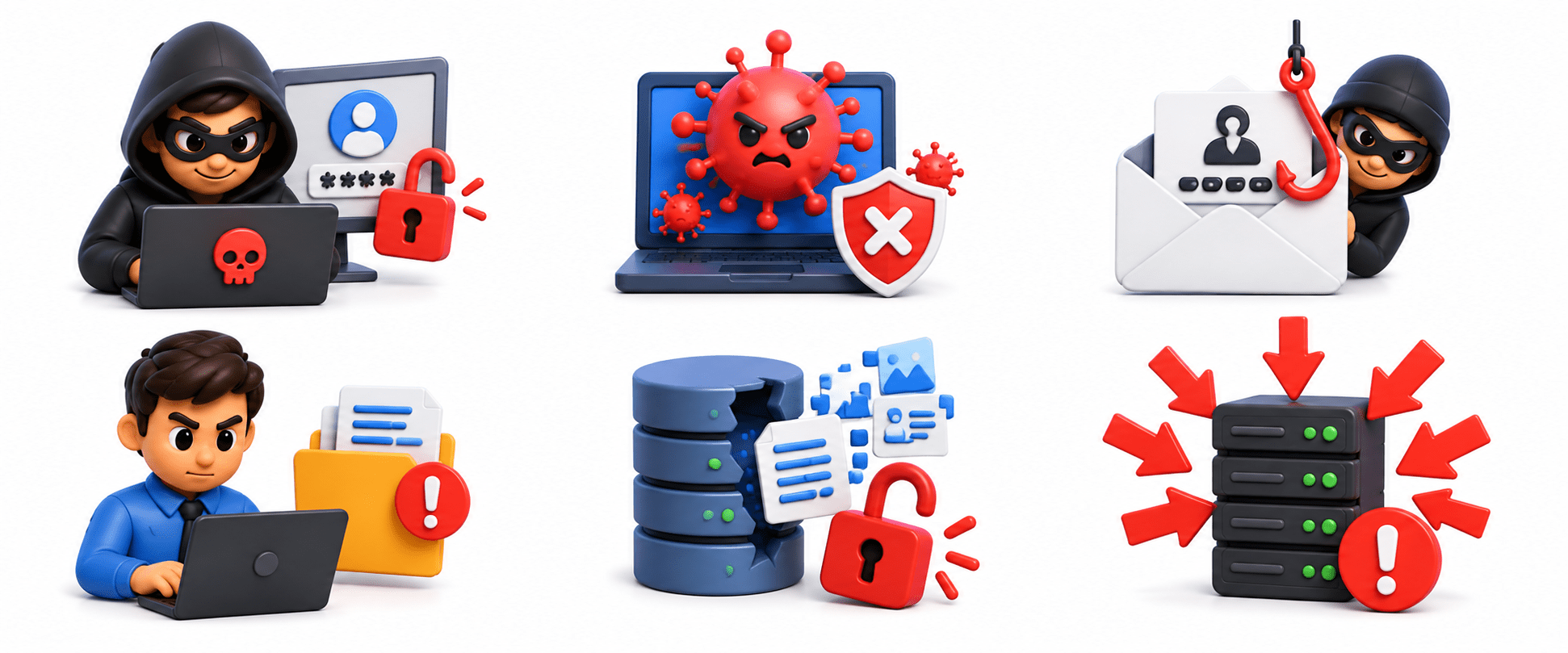
Common Security Incidents
Malware
Phishing
Unauthorized access
Insider threats
Data breaches
DoS attacks
Need for Incident Response
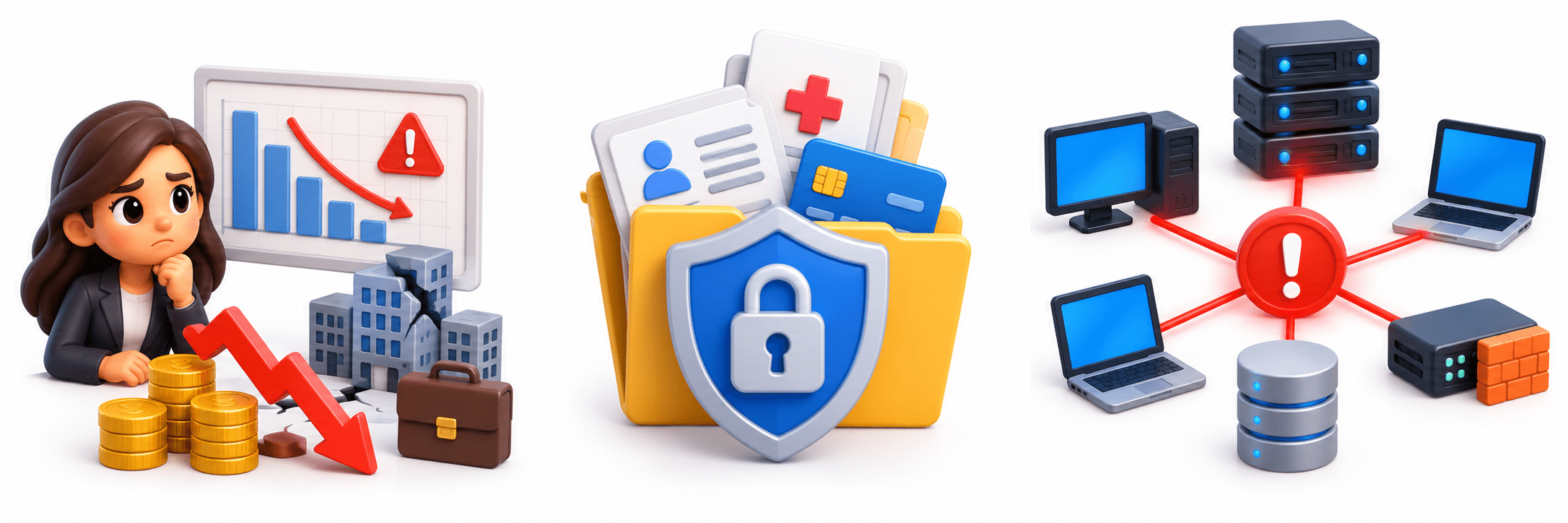
Reducing Business Impact
Security incidents can interrupt business operations and affect productivity.
Faster Recovery
Organizations with established response procedures can restore affected systems more efficiently.
Protecting Sensitive Data
Incidents involving customer records, financial information, or intellectual property can have serious consequences.
Regulatory and Compliance Requirements
An effective response process helps organizations meet compliance obligations and demonstrate due diligence.
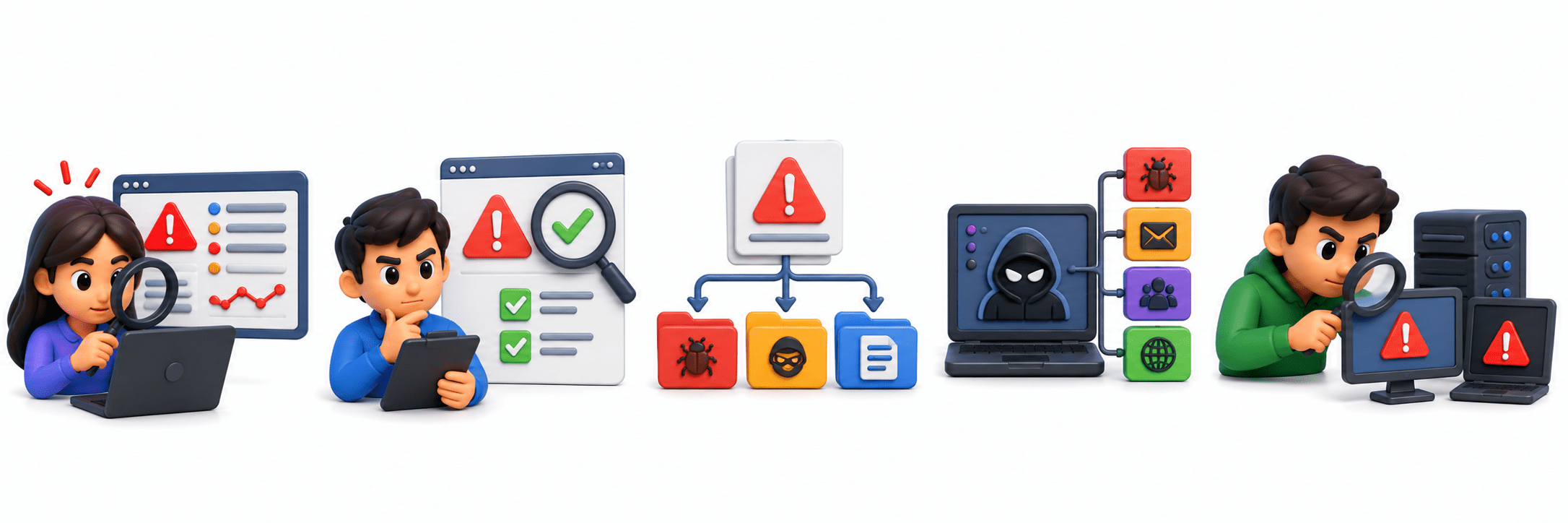
Incident Response Lifecycle
Preparation
Prepare people, processes, plans, teams, policies, and tools such as SIEM, EDR, and forensic tools.
Detection & Analysis
Identify suspicious activity
Classify incidents
Classify incidents
Categorize threats
Investigate affected systems
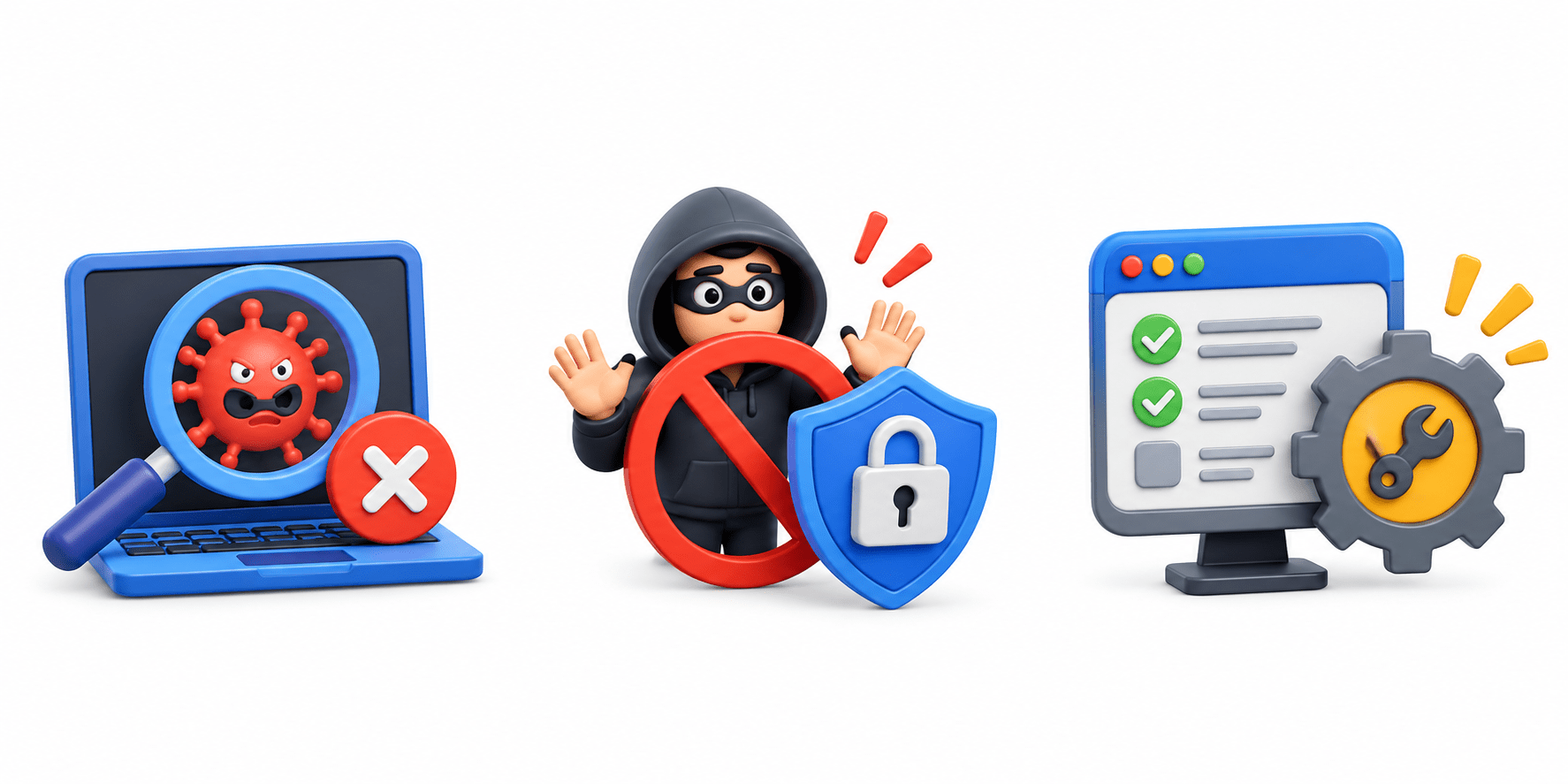
Containment
Limit the incident using short-term and long-term controls and isolate affected systems.
Eradication
Remove malware
Eliminate attacker access
Fix vulnerabilities
Recovery
Restore affected systems
Monitor for recurrence
Resume normal operations
Lessons Learned
Review the incident
Perform root cause analysis
Update security controls
Improve response procedures
Incident Classification
Unauthorized Access
Access to systems, applications, or data by unauthorized individuals.
1
Malware Infection
Incidents involving viruses, ransomware, spyware, or other malicious software.
2
Phishing
Attempts to deceive users into revealing credentials or sensitive information.
3
Insider Threat
Security incidents caused by employees, contractors, or trusted individuals.
4
Data Breach
Unauthorized exposure, disclosure, or theft of sensitive information.
5
DoS Attack
Attempts to disrupt system availability by overwhelming resources.
6
Incident Severity Levels
Critical: Major disruption or widespread compromise
High: Serious incident requiring immediate response
Medium: Moderate impact requiring timely investigation
Low: Minor impact with lower urgency
Severity Factors:
Business impact
Data sensitivity
Number of affected systems.
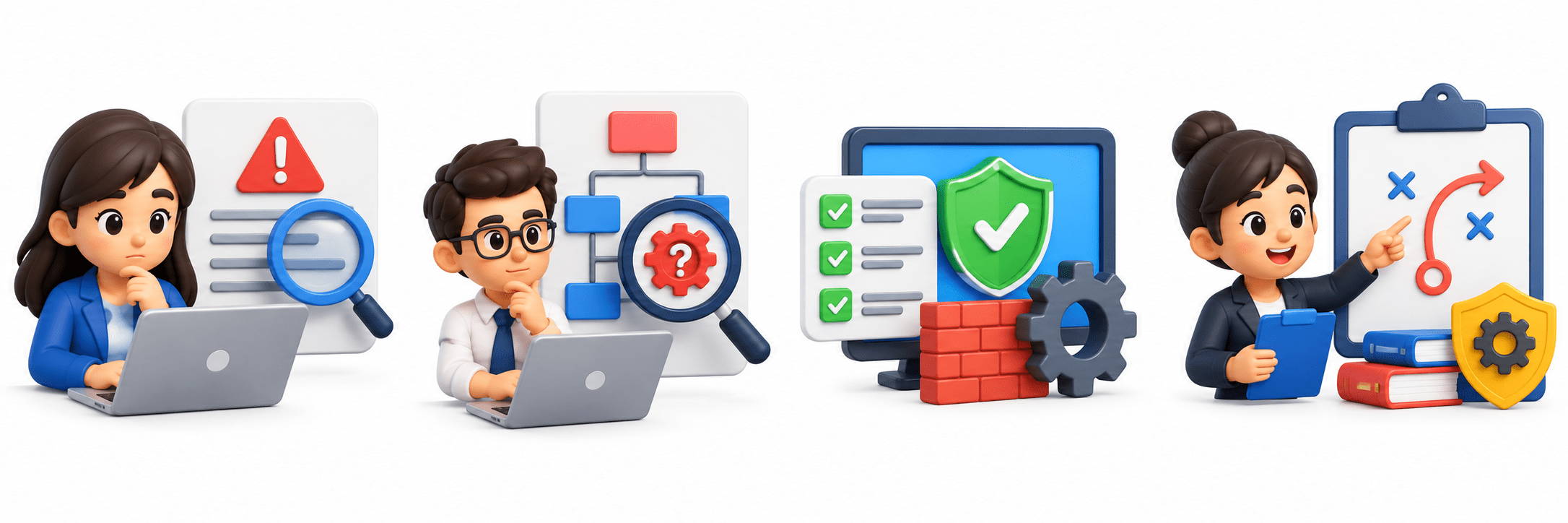
Roles in Incident Response
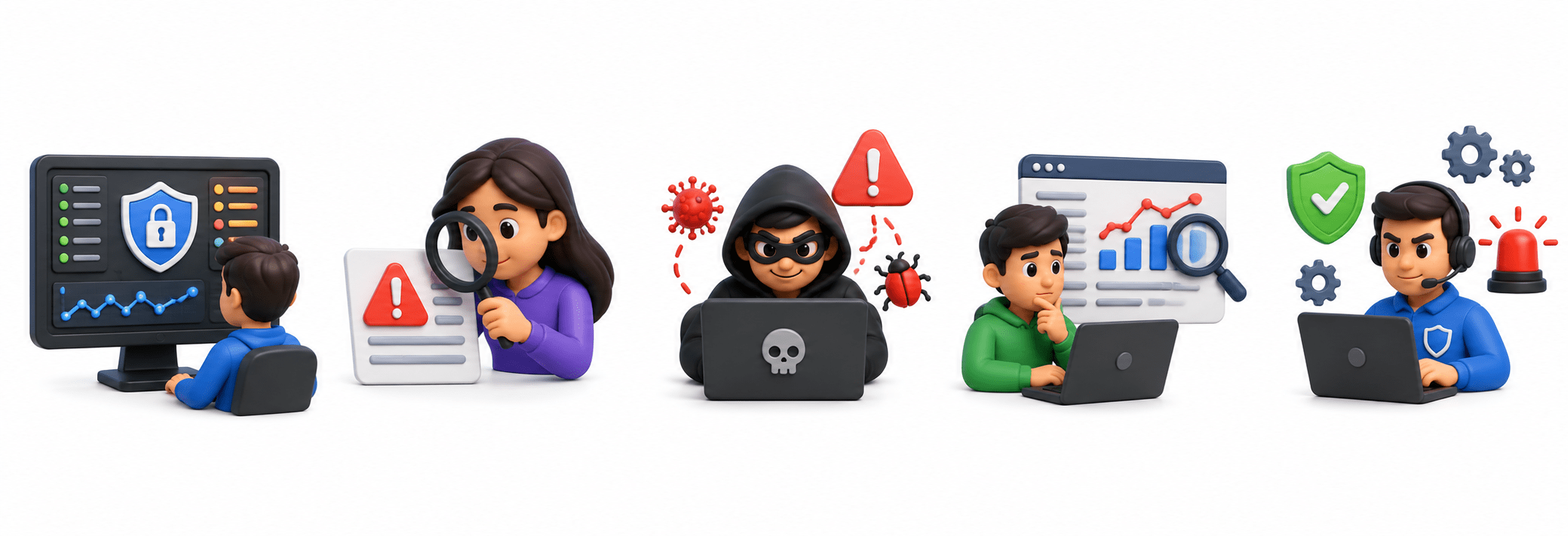
SOC Analyst:
Monitor, validate, investigate, and escalate.
Smart Layouts
AI arranges content beautifully for better flow and impact
SOC Analyst:
Monitor, validate, investigate, and escalate.
Incident Responder: Contain, eradicate, and coordinate response.
Threat Hunter:
Find hidden threats and attacker activity.
Security Manager:
Manage response, resources, and decisions.
System Administrator: Support containment, recovery, and patching.
Benefits of SIEM
Centralized security visibility
Faster threat detection
Improved investigation
Better compliance management
Enhanced security monitoring
Improved operational efficiency
Support for threat hunting
Challenges of SIEM
Large Data Volumes – Processes massive amounts of security data.
False Positives – Some alerts are not actual threats.
Rule Tuning – Rules require continuous optimization.
Storage Requirements – Logs require significant storage.
Skilled Personnel – Requires trained security professionals.
SIEM in SOC Operations
SIEM is a core SOC technology used to:
Monitor security events
Investigate alerts
Identify threats
Analyze incidents
Support incident response
Summary
5
Can be On-Premises, Cloud, or Hybrid.
4
Supports SOC detection, investigation, and response.
3
Uses event correlation and alerts to detect threats.
2
Provides centralized security monitoring.
1
SIEM collects and analyzes security logs.
Quiz
What is the primary purpose of a SIEM solution?
B. Replace antivirus software
C. Correlate security events from multiple sources
D. Block all network traffic
A. Encrypt all organizational data
Quiz-Answer
C. Correlate security events from multiple sources
What is the primary purpose of a SIEM solution?
A. Encrypt all organizational data
B. Replace antivirus software
D. Block all network traffic
By Content ITV