



































Content ITV PRO
This is Itvedant Content department
Learning Outcome
5
Understand how data collection decisions affect downstream analysis
4
Identify commonly used data collection tools
3
Differentiate between primary and secondary data sources
2
Distinguish between different data collection methods
1
Explain what data collection is and why it is foundational
Recall
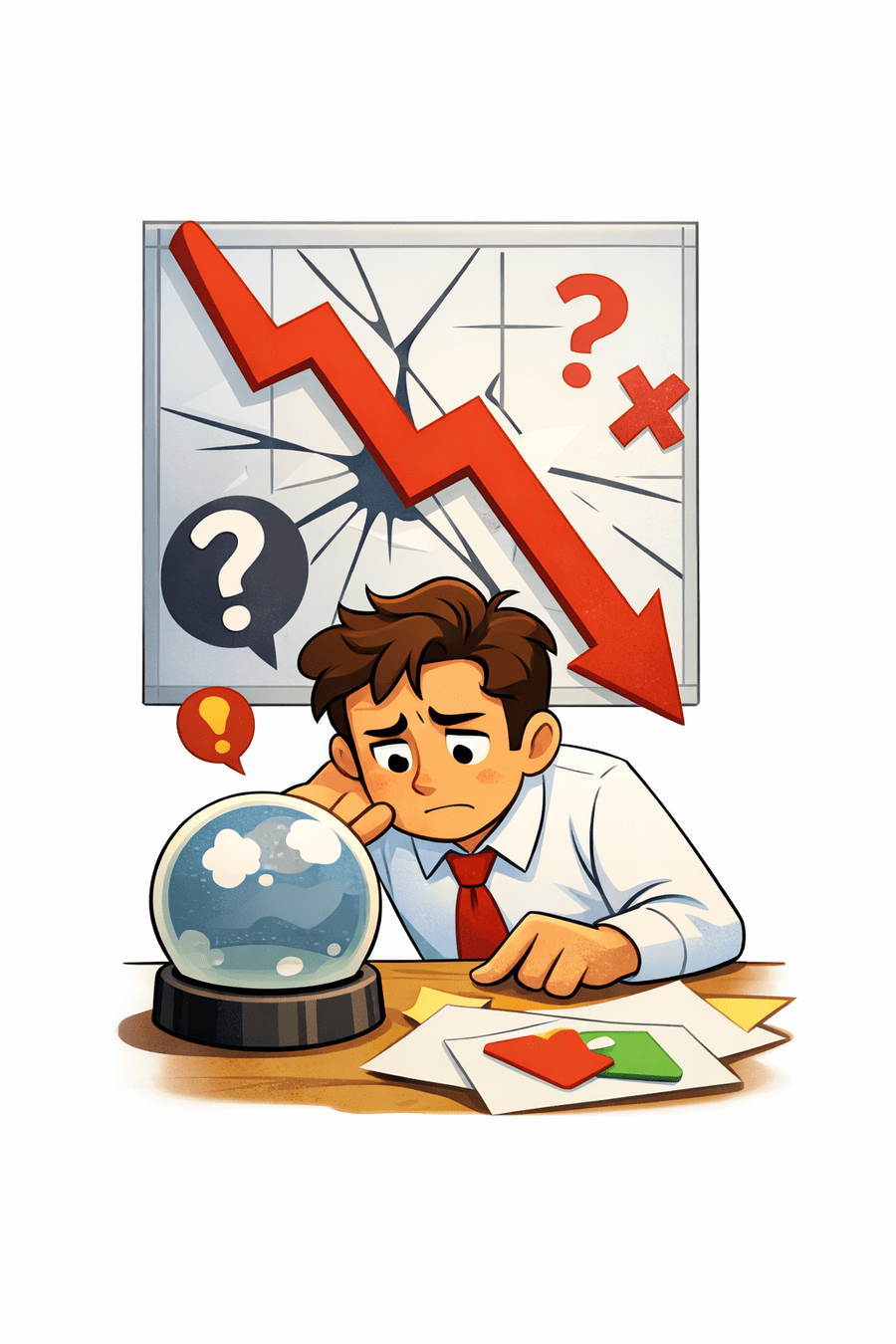
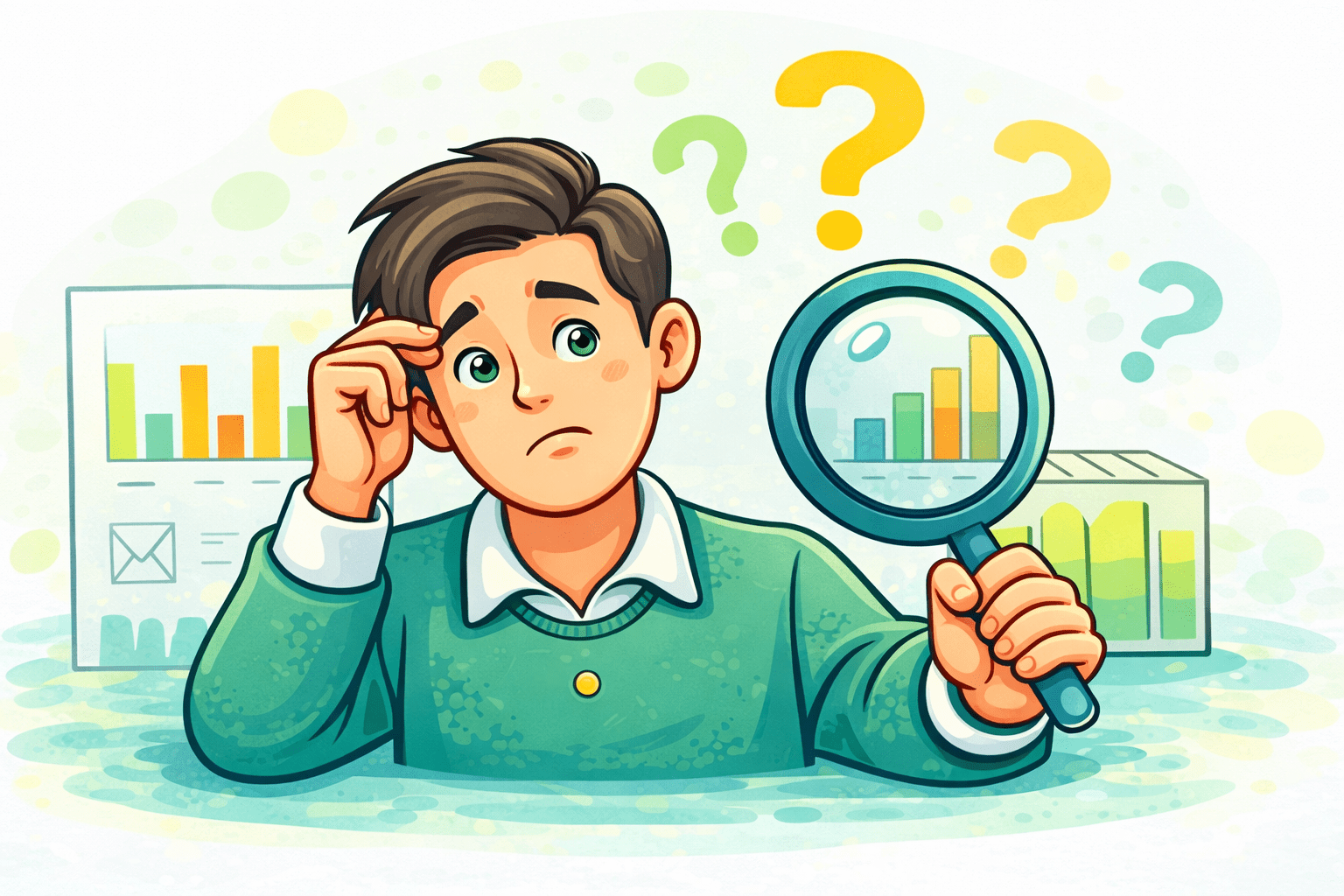
Everything looks perfect
Dashboards are clean and colorful.
Models train without errors.
Reports are delivered on time.
But when predictions fail and decisions go wrong
confusion starts.
That the analysis is correct, yet the outcome is wrong.
This leads to a key question:
What if the problem started before analysis even began?
The issue begins at data collection.
If the data is incomplete, biased, or irrelevant, even the best models will fail.
Better data collection leads to better decisions.
Data Collection
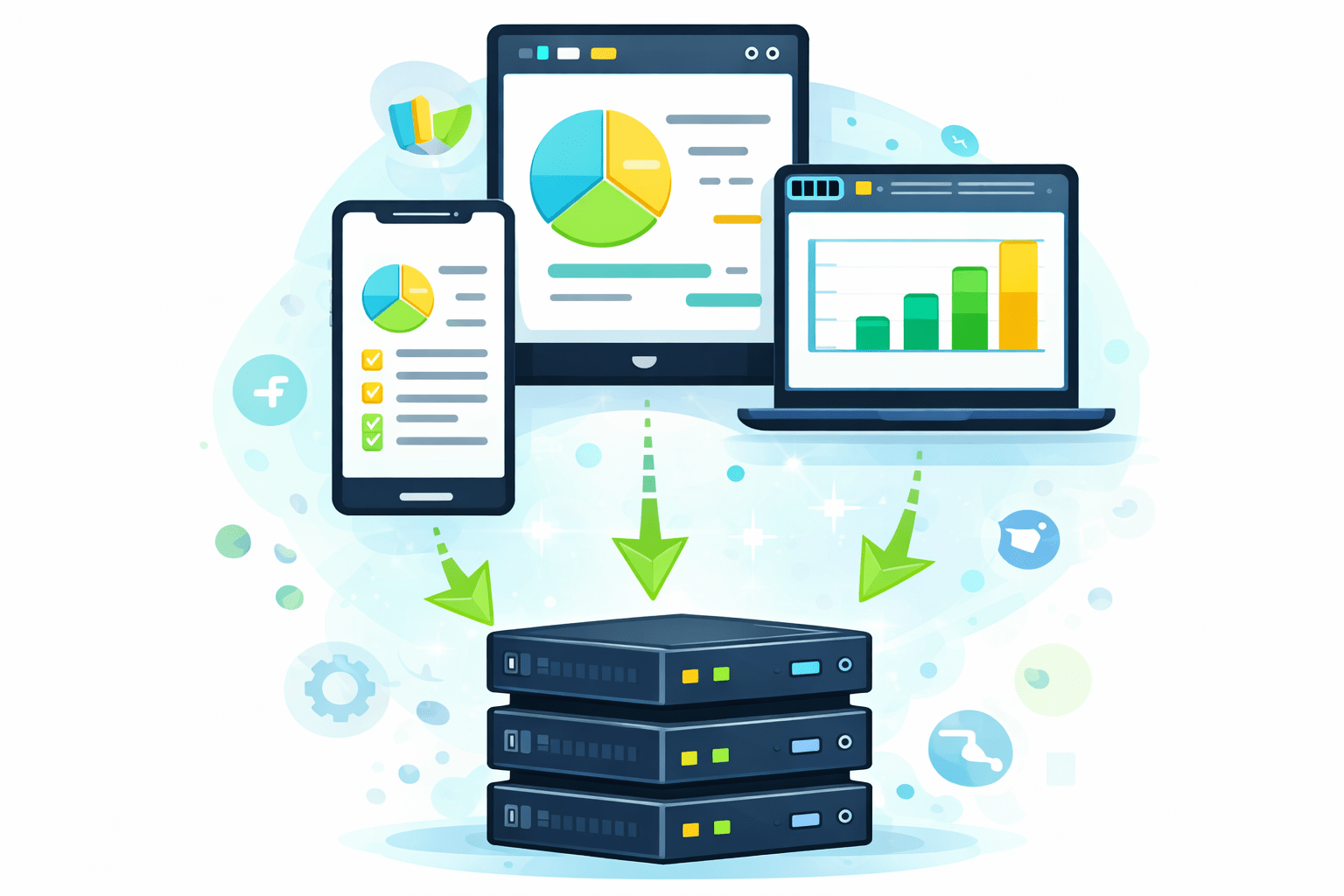
Data collection is the process of gathering raw information from various sources so it can be analyzed to support decisions, research, or predictions.
No conclusions can be justified
Why it exists?
Without collected data:
No analysis can occur
No patterns can be identified
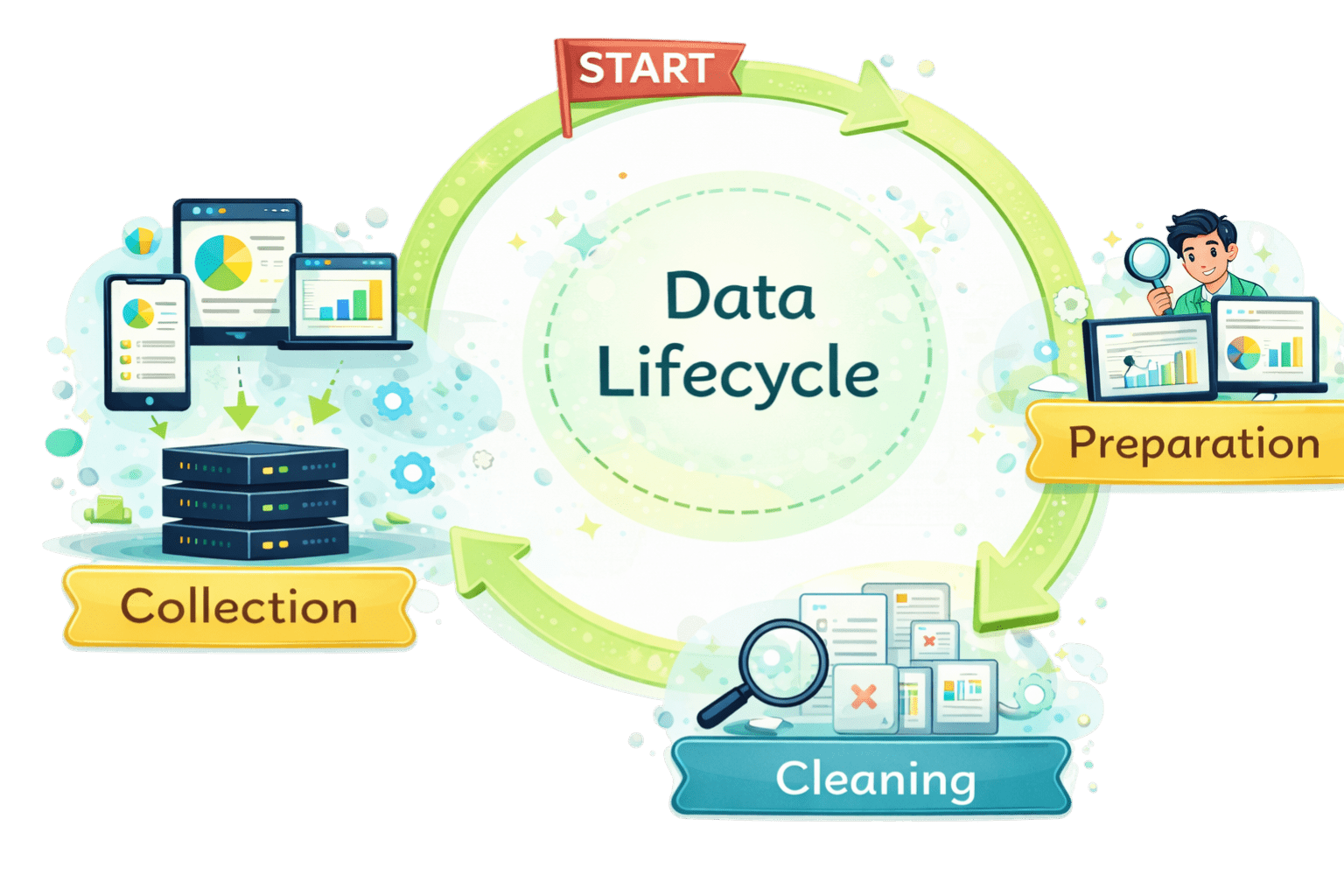
Data collection is the starting point of the entire data lifecycle.
How it fits into the workflow
Accuracy and
reliability
High-quality data collection reduces bias and error in results.
Decision-making
impact
Understand behavior
Measure performance
Downstream
dependency
Errors at the collection stage propagate through preparation, analysis, and visualization.
Types of Data Collection Methods
Primary Data Collection
Primary data is data collected directly from original sources for a specific objective.
When it is used?
When customized or current data is required
When existing data does not answer the question
Characteristics
High relevance
Higher cost and effort
Greater control over design
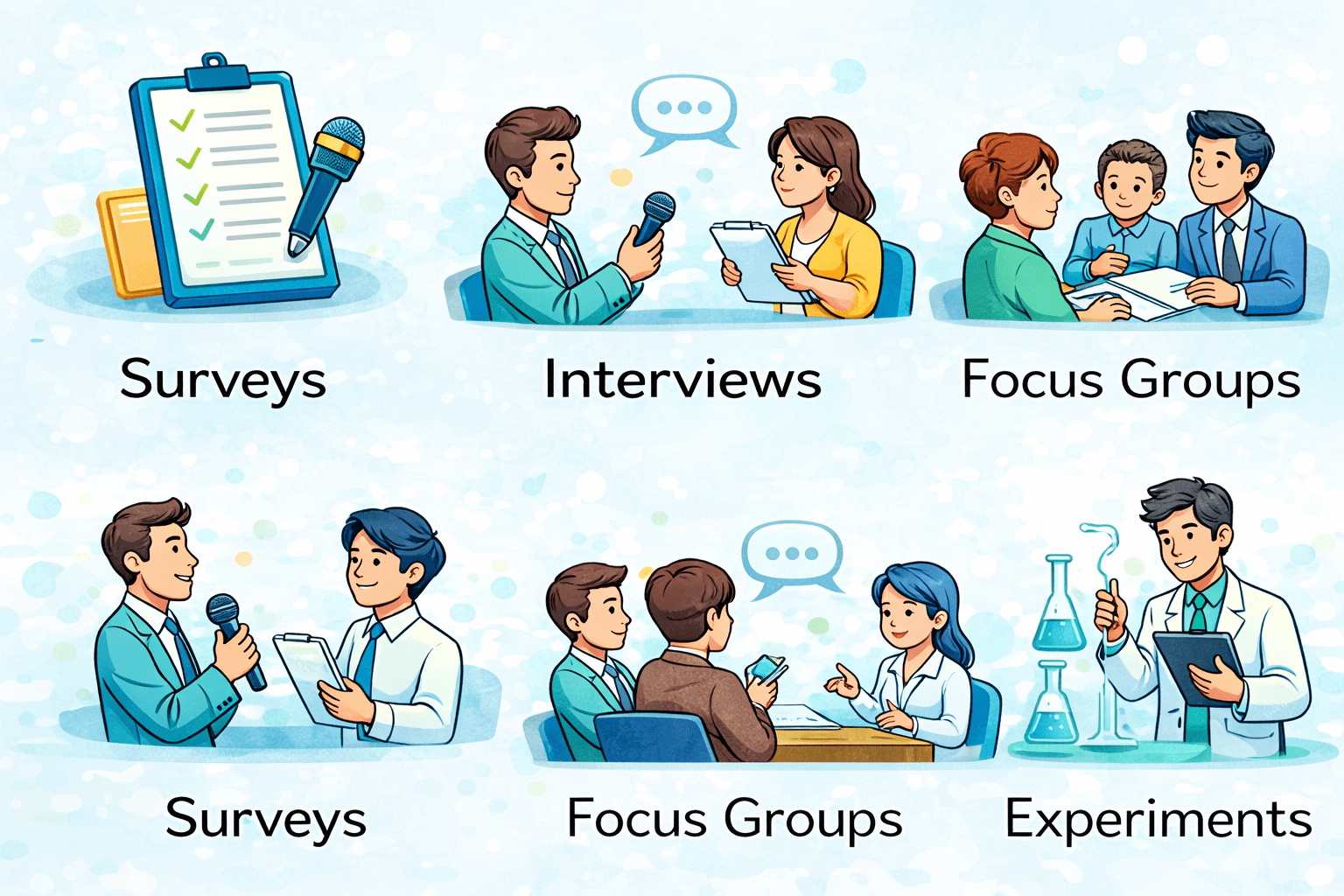
Common methods
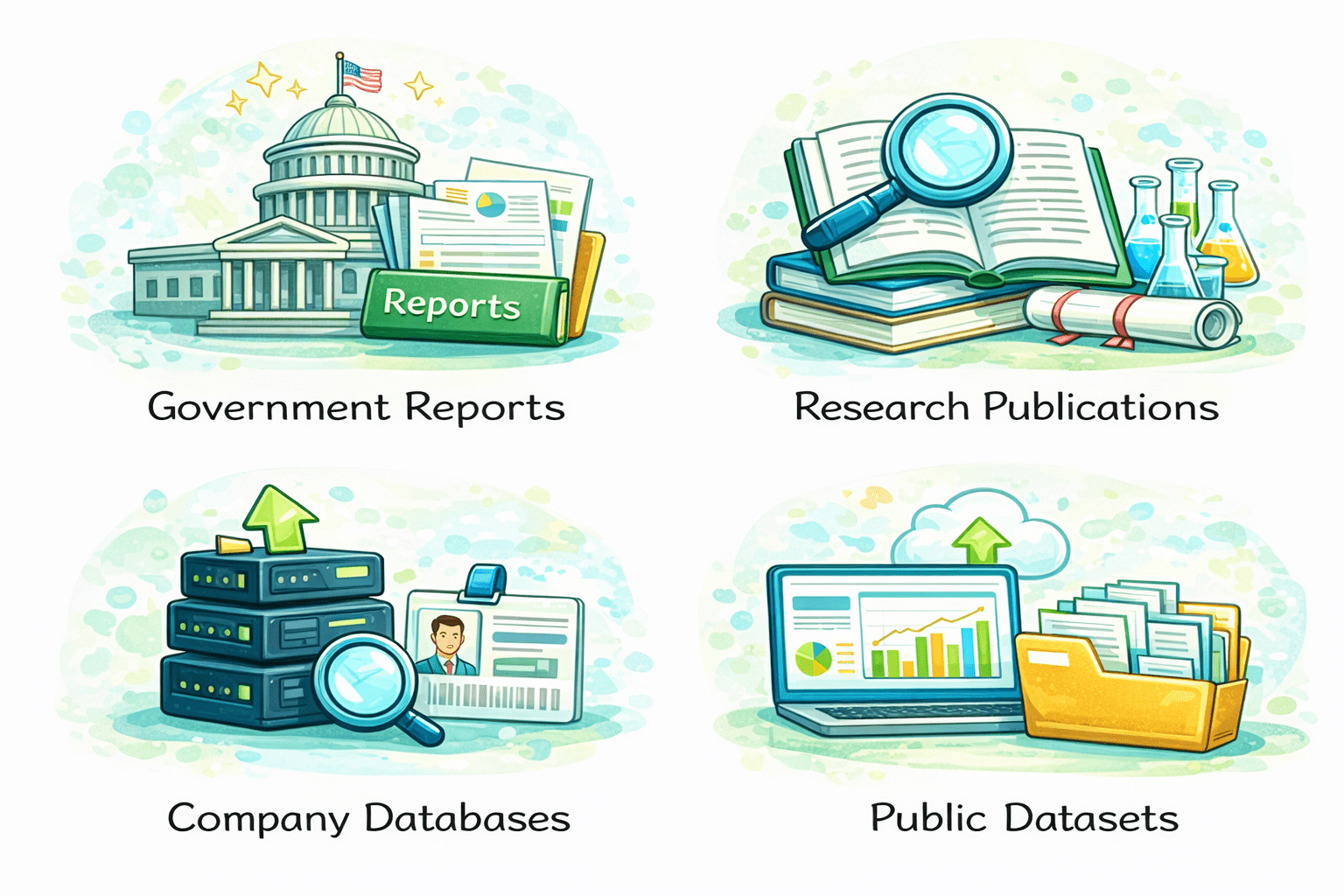
Secondary Data Collection
Secondary data is data that already exists and was collected by others for different purposes.
When it is used?
For historical analysis
For large-scale or comparative studies
Characteristics
Cost-effective
Large volume
Limited control over quality
Common methods
Popular Data Collection Tools and Technologies
Survey Tools
Google Forms
Typeform
Used for structured, questionnaire-based data.
Interview Tools
Used for qualitative and exploratory data collection.
Web Scraping Tools
Used to programmatically extract publicly available web data.
Python (BeautifulSoup, Scrapy)
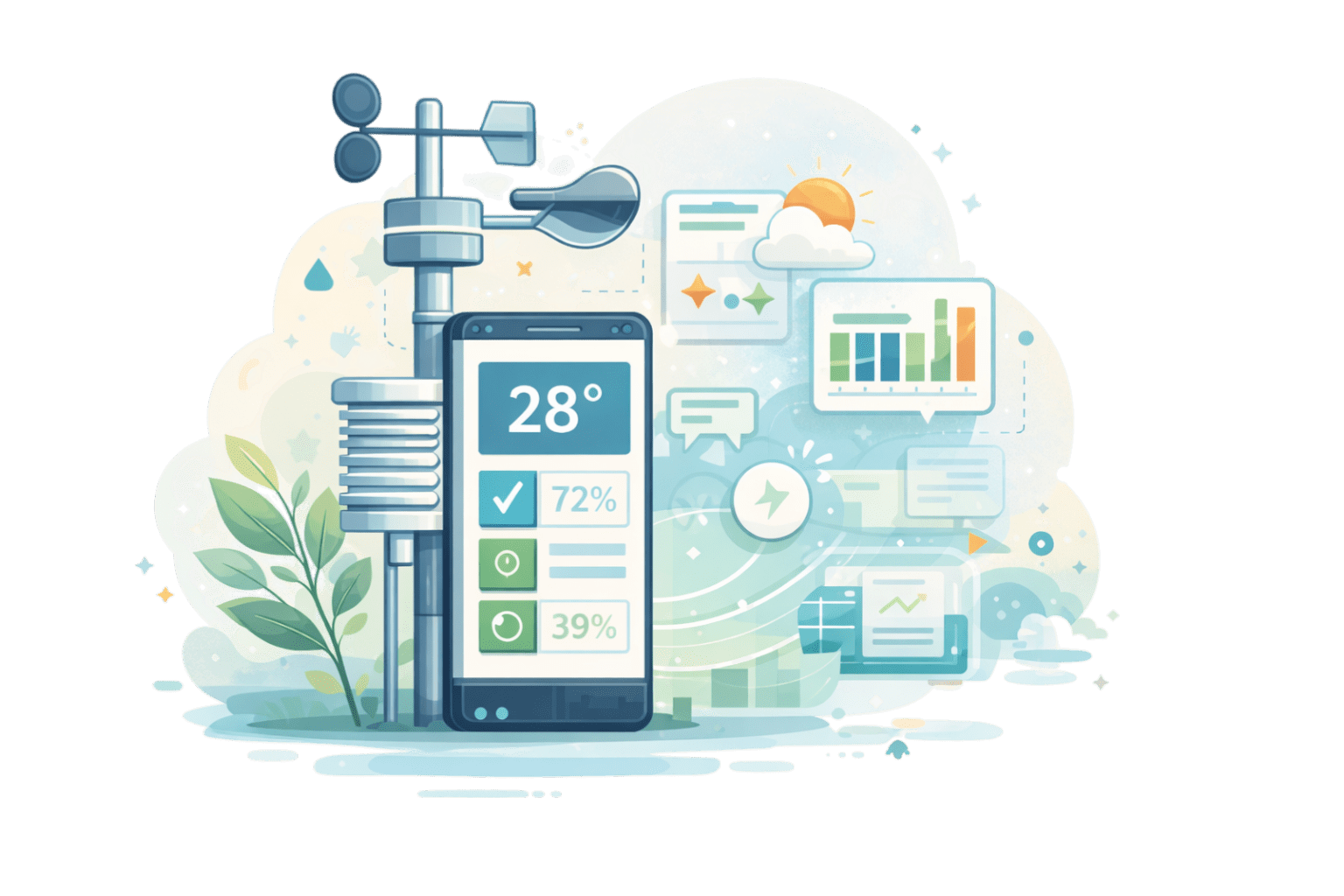
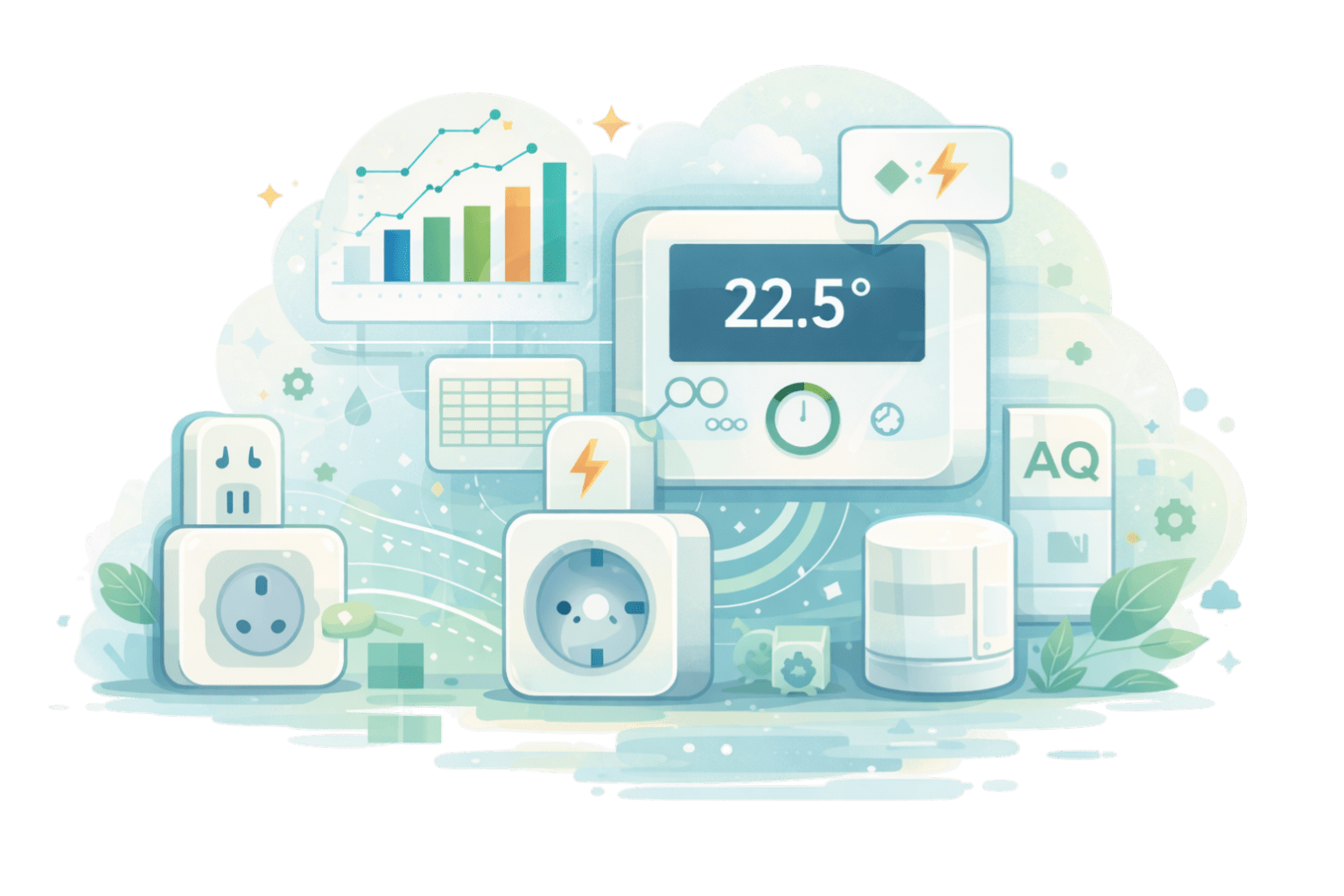
Sensors and IoT Devices
Used for real-time and continuous data streams.
Weather stations
Smart sensors
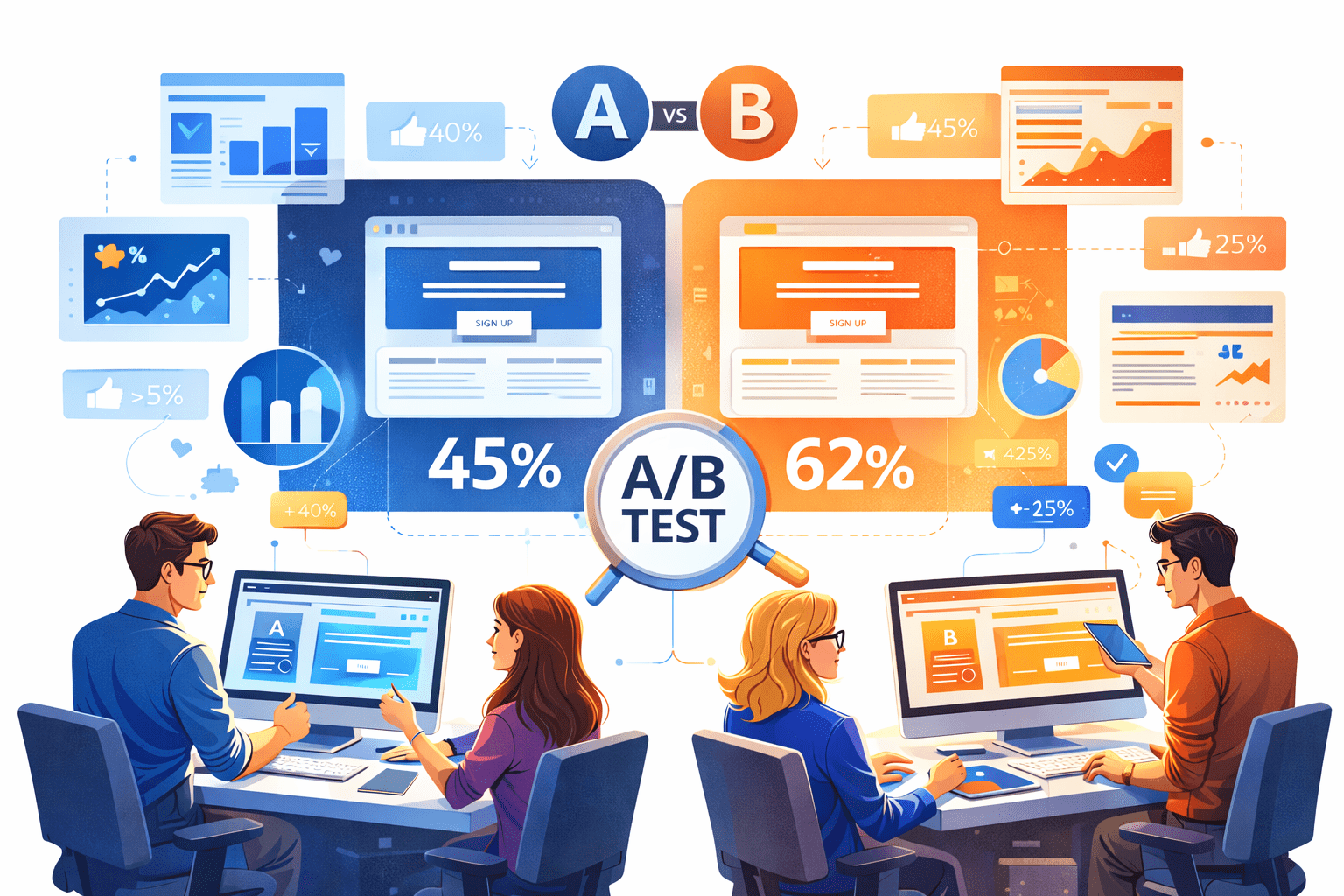
Experimental and Testing Tools
Used to establish cause-and-effect relationships.
Scientific laboratories
A/B testing platforms
Real-Life Applications of Data Collection
E-commerce
Collecting customer behavior and feedback
Healthcare
Monitoring patient data for diagnosis and trends
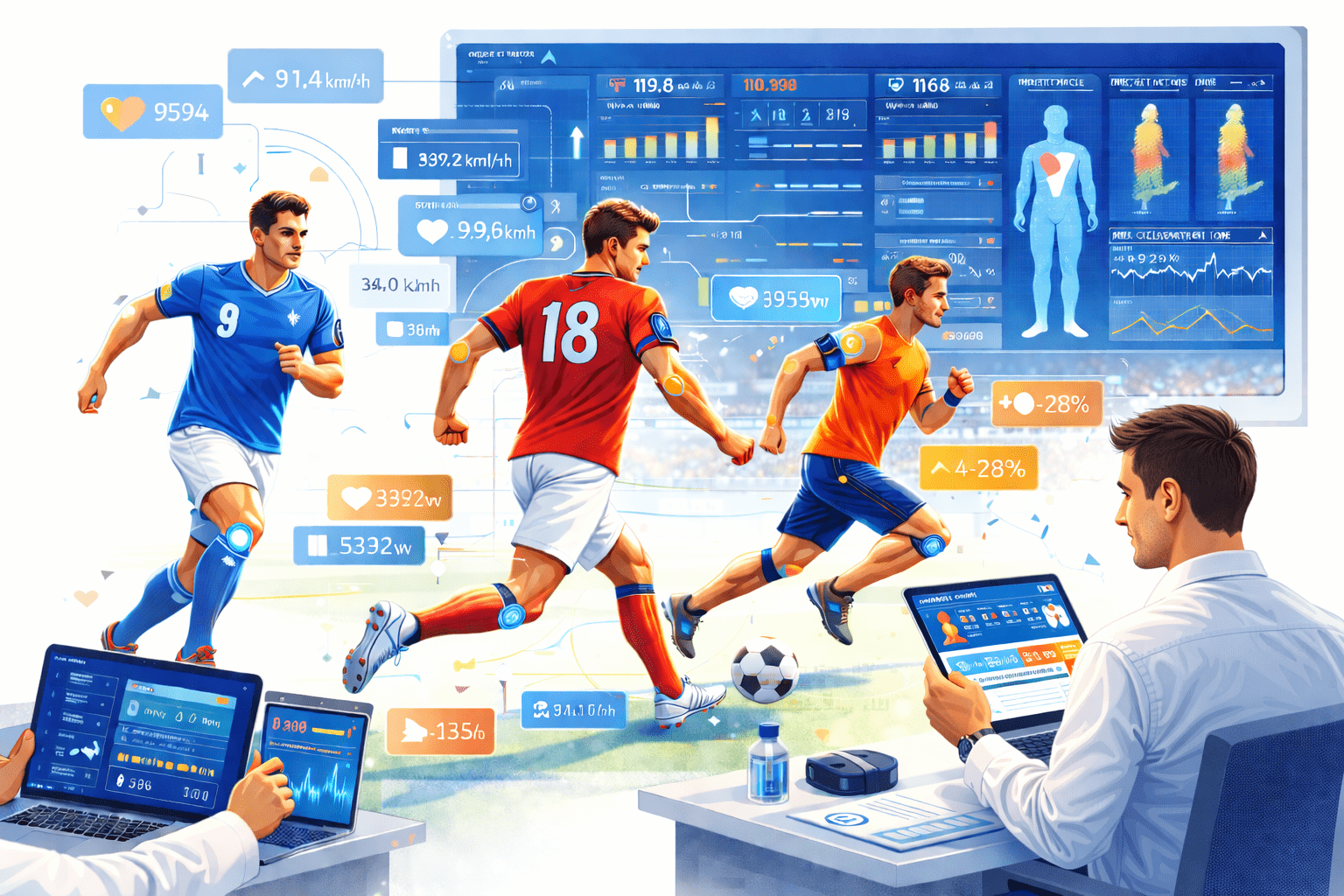
Sports
Tracking player performance using sensors
Anecdote: Data Collection and Monsoon Prediction
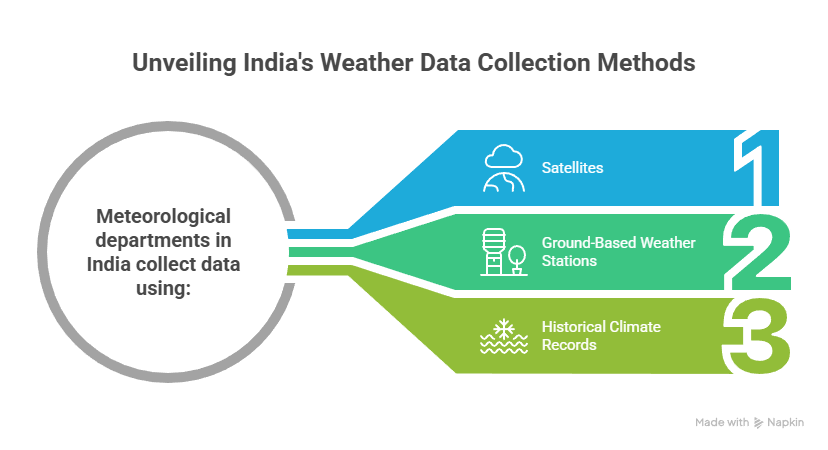
Meteorological departments in India collect data using:
Satellites
Ground-based weather stations
Historical climate records
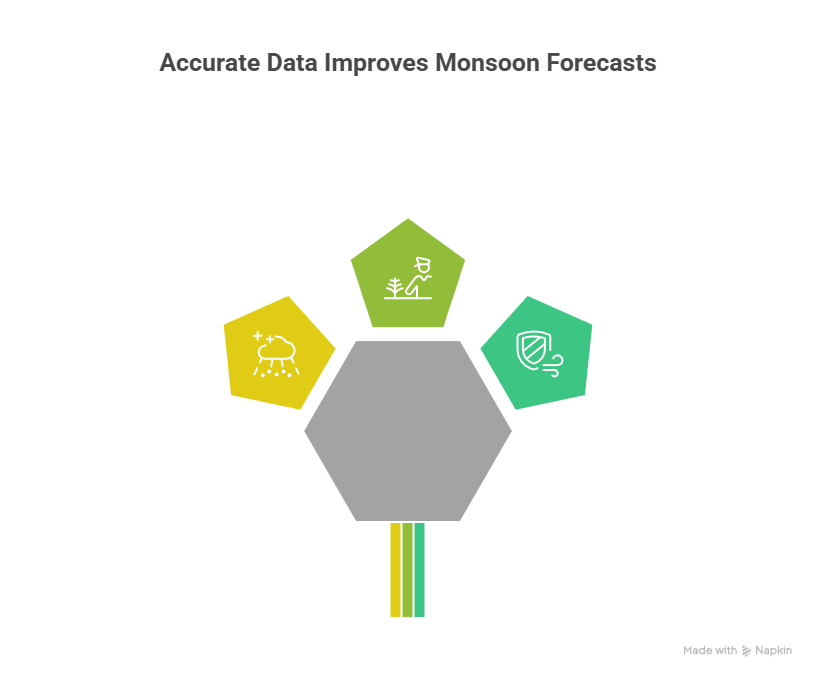
Accurate collection enables:
Reliable monsoon forecasts
Better agricultural planning
Reduced losses due to floods and droughts
Summary
4
The quality of collected data determines the success of analysis
3
Tools vary based on data type and scale
2
Different methods serve different analytical needs
1
Data collection is the foundation of the entire data pipeline
Quiz
Which scenario best fits primary data collection?
A. Using census data
B. Analyzing past sales reports
C. Conducting a custom customer satisfaction survey
D. Studying historical climate trends
Quiz-Answer
Which scenario best fits primary data collection?
A. Using census data
B. Analyzing past sales reports
C. Conducting a custom customer satisfaction survey
D. Studying historical climate trends
By Content ITV