Framework Design


Page Object Model (POM)

Learning Outcome
4
Improve test readability and reduce code duplication.
3
Create reusable and maintainable page classes.
2
Separate test logic from UI interaction code.
1
Understand the purpose and structure of POM.
5
Apply POM with Selenium and update tests easily when UI changes.
Recall
Page Object Model (POM)

To understand POM, you need to revise the topics like
Object-Oriented Programming (OOP)
Programming Language Basics
Selenium WebDriver Fundamentals
HTML & DOM Structure
Classes, objects, methods, encapsulation, and inheritance
Java / Python / any language used for automation
Locators (id, xpath, css), actions (click, sendKeys), waits
Understanding web elements and how they are structured
Test Automation Basics
Basic Framework Knowledge
Test cases, assertions, test execution flow
Familiarity with tools like TestNG / PyTest (optional but helpful)
These topics will make learning POM much easier and more effective.

Think of Page Object Model (POM) like ordering food in a restaurant:
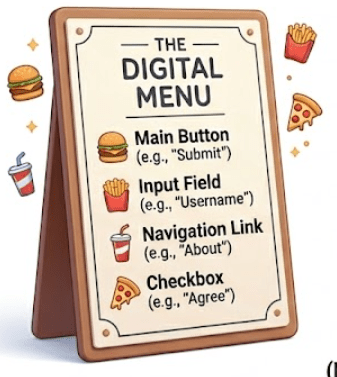
Menu (Page Class):
The menu lists all available dishes (elements and actions on a webpage).
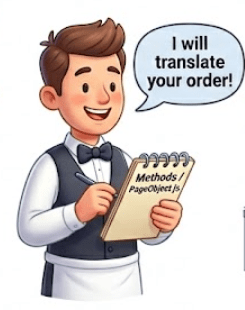
Waiter (Methods in Page Class):
You don’t go into the kitchen yourself—you tell the waiter what you want. Similarly, tests don’t directly interact with UI elements; they call methods
Analogy to Understand Need of POM
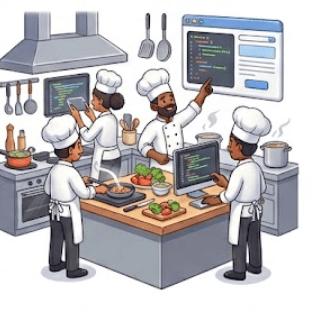
Kitchen (UI / Web Page):
he actual work (clicking buttons, entering text) happens behind the scenes.

Customer (Test Script):
You simply place an order (call methods) without worrying about how the food is prepared.
How this relates to POM:

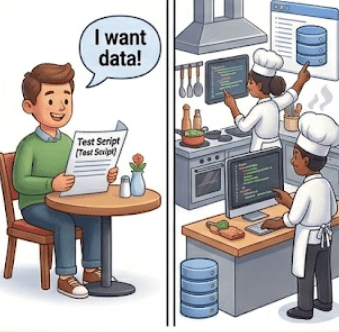
You separate responsibilities (customer ≠ kitchen)
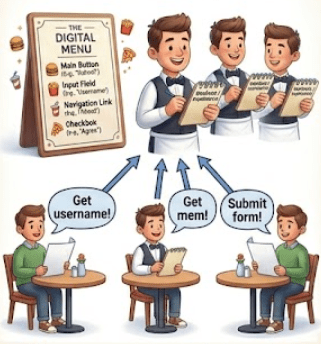
You reuse the same menu/waiter for multiple orders (reusability)

If something changes (recipe/UI), only the kitchen/menu needs updating—not the customer’s behavior
This way, POM keeps your test code clean, organized, and easy to maintain, just like a well-managed restaurant system
Why use Page Object Model (POM)?.
POM is used to make test automation:


● Easier to maintain
● More readable
● Reusable
● Scalable
● Less prone to errors
Without POM, automation scripts become:
● Repetitive
● Hard to maintain
● Difficult to update when UI changes
What is Page Object Model (POM)?

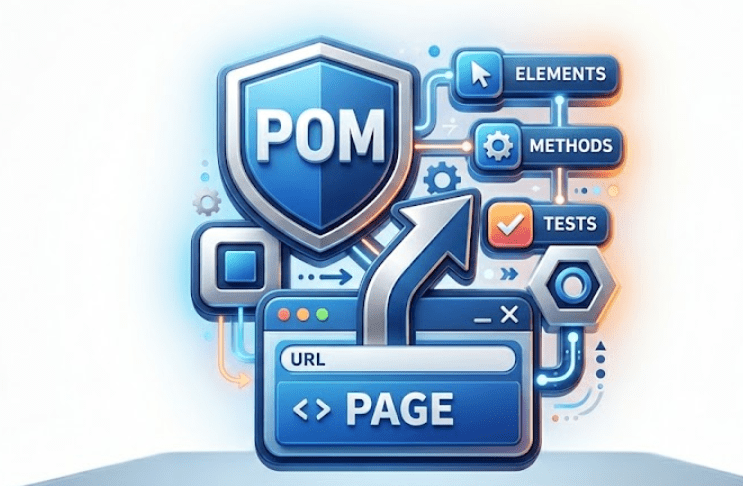
Page Object Model (POM) is a design pattern used in test automation where each web page of an application is represented as a separate class.

Each page class contains:
Web elements (locators)

Methods (actions on those elements)
The main idea is to separate test logic from UI interaction logic.
Structure of POM
Page Classes (Page Objects)


Each page of application is a class:
-
LoginPage
-
HomePage
-
DashboardPage
They contain:
-
Locators (elements)
-
Methods (actions)
Example:
-
enterUsername()
-
clickLogin()
-
getTitle()
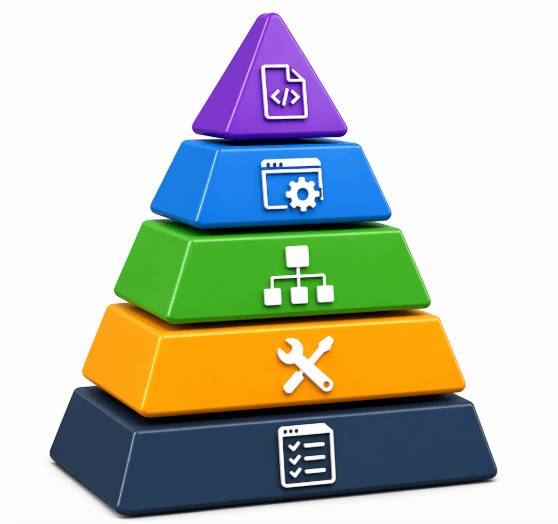
Test Classes
Test classes contain:
-
Test cases
-
Assertions
-
Test flow (no direct UI handling)
They call methods from page classes.
Object Repository (Inside Page Classes)
Stores UI elements like:
-
ID
-
XPath
-
CSS selectors
AutomationFramework/
│
├── src/main/java
│ ├── pages/
│ │ ├── LoginPage.java
│ │ ├── HomePage.java
│ │ └── DashboardPage.java
│ │
│ ├── utilities/
│ │ ├── WebDriverUtility.java
│ │ ├── ConfigReader.java
│ │ └── ScreenshotUtility.java
│
├── src/test/java
│ ├── tests/
│ │ ├── LoginTest.java
│ │ └── HomeTest.java
│
├── src/main/resources
│ ├── config.properties
│ ├── testdata.json
│
├── drivers/
├── reports/
├── testng.xml
└── pom.xml
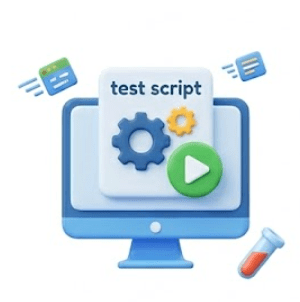
Working of POM (Flow)
-
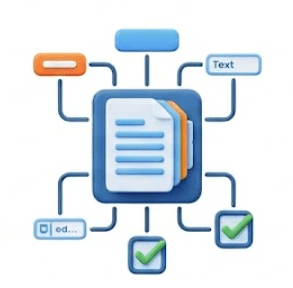
Test script calls page class method
2. Page class interacts with web elements
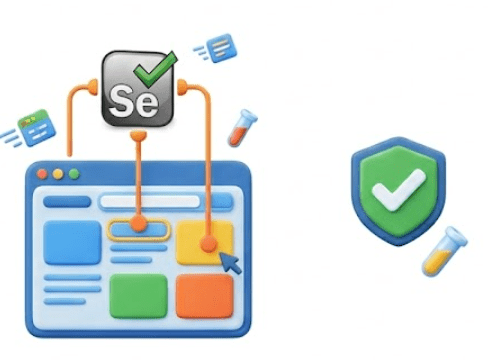
3. Selenium performs actions on browser
4. Result is validated in test class
Example of POM
Page Class (LoginPage )
-
username field
-
password field
-
login button
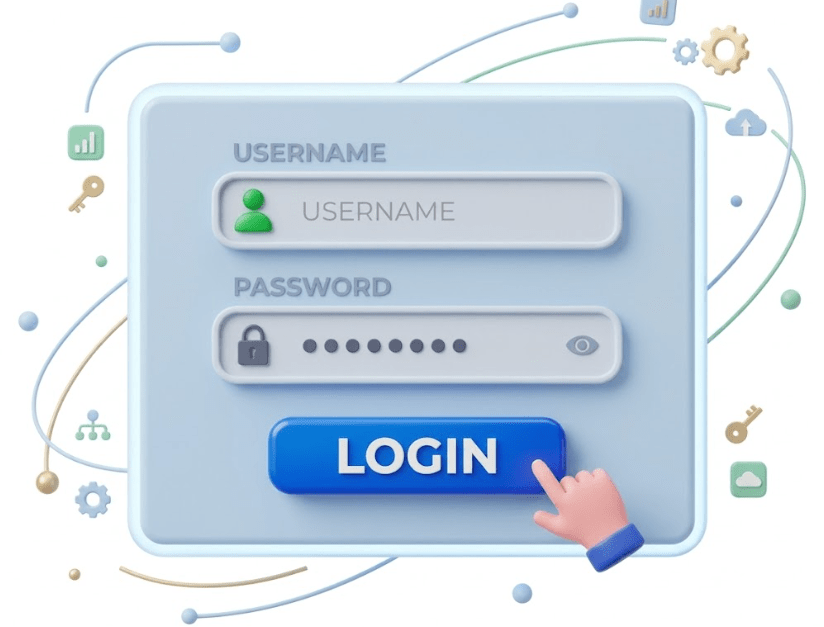
Methods:
-
enterUsername()
-
enterPassword()
-
clickLogin()
Test Class
-
Create object of LoginPage
-
Call methods in sequence
-
Verify result

Resusability
Same methods can be used in multiple tests.
Advantages of POM
Maintainability
If UI changes, update only page class.
Readability
Test cases are clean and easy to understand.
Reduced Code Duplication
No repeated locators or actions.
Scalability
Easy to extend for large projects.
Better Collaboration
Developers and testers can work efficiently.

POM with Selenium
POM is widely used with:
-
Selenium WebDriver
-
TestNG / JUnit / PyTest
-
Maven / Gradle frameworks

It helps build:
-
Hybrid frameworks
-
Data-driven frameworks
-
Scalable automation suites

Think of an online shopping website:
Example

HomePage → Search products

ProductPage → View product details
CartPage → Add/remove items
CheckoutPage → Payment process
Each page has its own class, and tests just call actions like:
-
searchProduct()
-
addToCart()
-
placeOrder()
Summary
4
3
2
1
WebElements represent HTML elements on a web page in Selenium.
5
Check element states: displayed, enabled, selected.
Perform actions: click, type, clear, submit.
1
POM is a Selenium design pattern where each web page is a separate class
2
It stores locators and actions inside page classes
3
Test scripts use page methods instead of direct element handling
4
Improves code reusability, readability, and maintainability
5
Reduces code duplication and makes UI changes easier to handle
Quiz
What is the main purpose of the Page Object Model (POM)?
A. To increase execution time
B.To separate test logic from UI interaction
C.To write only test data
D. To avoid using Selenium

Quiz - Answer
What is the main purpose of the Page Object Model (POM)?
A. To increase execution time
C.To write only test data
D. To avoid using Selenium

B.To separate test logic from UI interaction