Social Media Marketing


Engagement

Learning Outcome
5
Measuring Engagement Status
4
Interactive Content Strategies
3
Community Management
2
Algorithm & Engagement Signals
1
What is Engagement ?
The Shop That People Walked Past
Ravi owned a small clothing shop called “Ravi’s Collection” in a busy market.

Every day, hundreds of people walked past his store.
The Shop That People Walked Past
He noticed:
Ravi kept wondering,
"If people can see my shop... why aren’t they coming in?"

People looked at his clothes
Some even slowed down
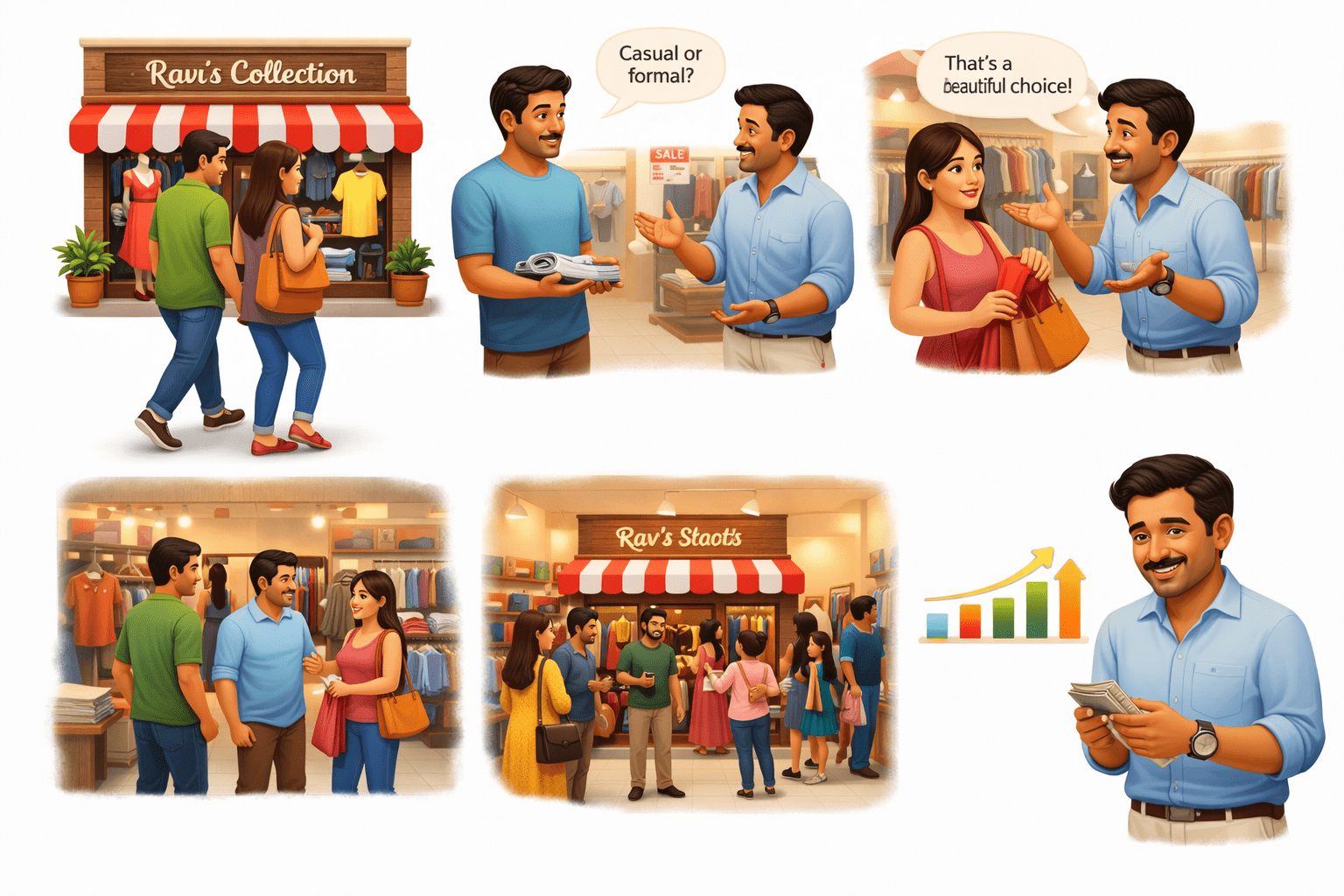
But very few actually entered
The Shop That People Walked Past

Right opposite his store was another shop called “Style Street.”
The owner, Aman, did things differently:

Asked simple questions
Had quick, friendly conversations
He greeted people with a smile
Showed options based on their interest
The Shop That People Walked Past
Because of this...
People didn’t just walk past Style Street —
they stopped, interacted, and walked in.

The Shop That People Walked Past
Ravi observed this carefully.
The next day, he tried something new:
Engaged in small conversations
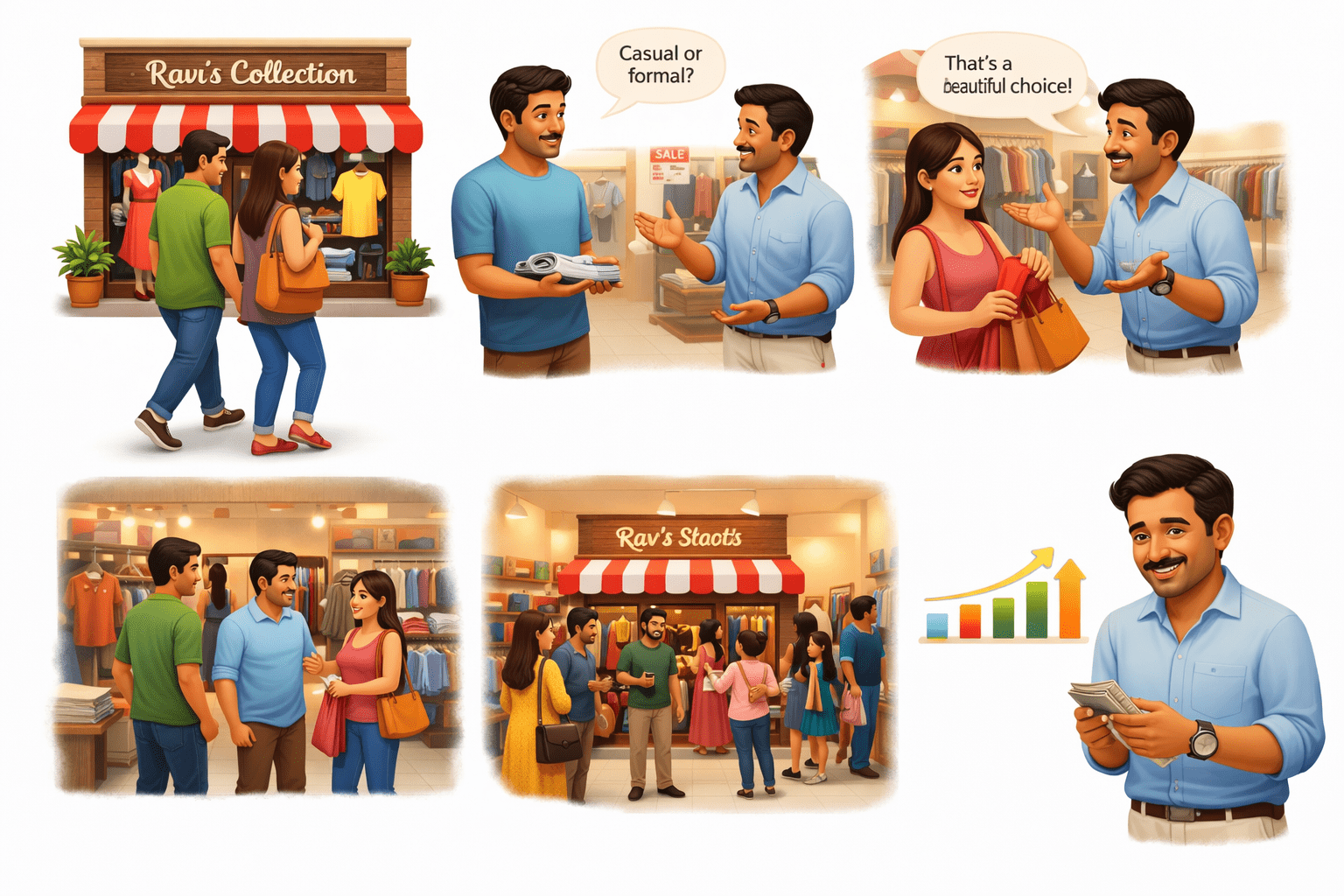
He started greeting customers
Asked questions
The Shop That People Walked Past
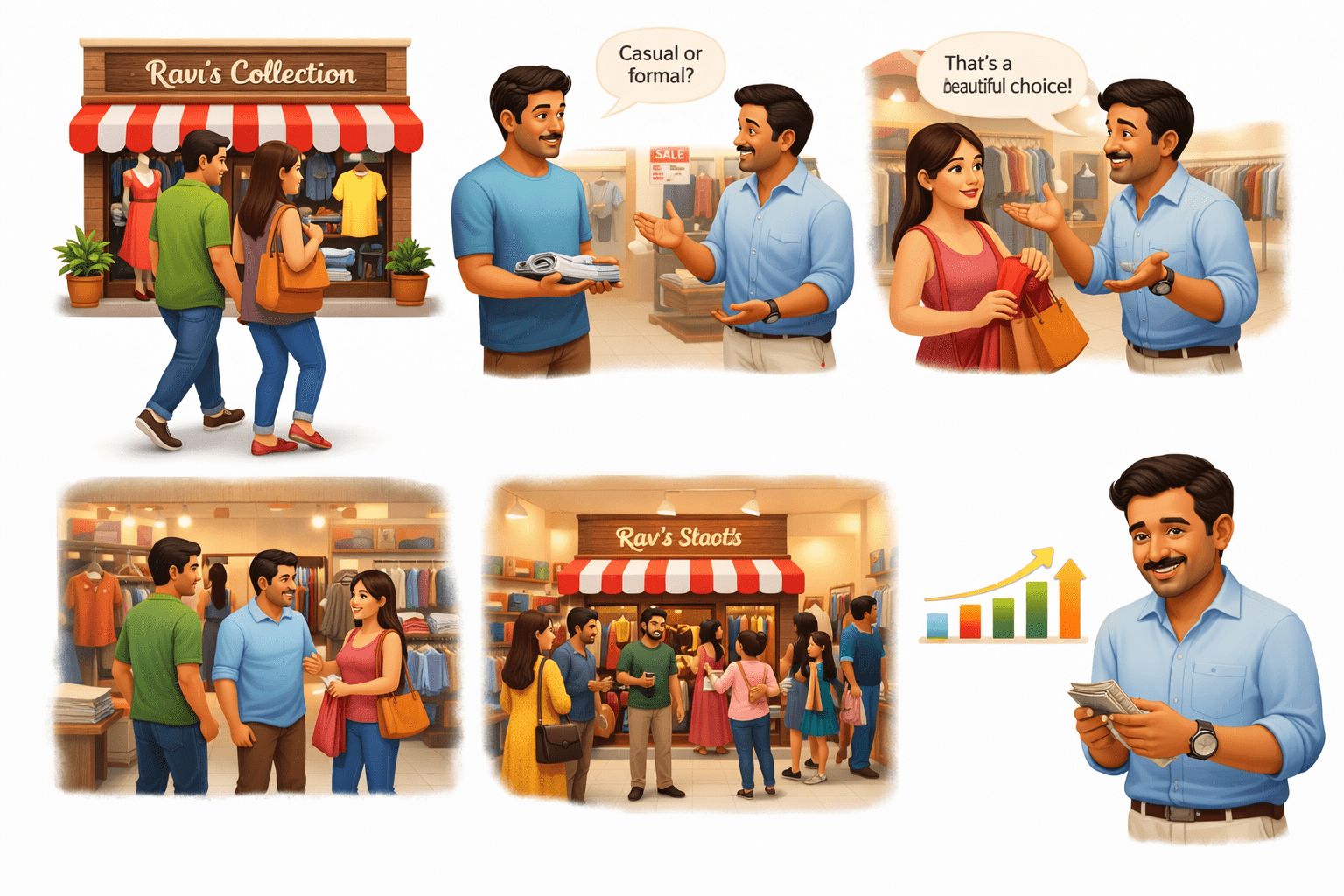
Slowly...
More people started entering Ravi’s Collection
More people stayed longer
And his sales began to grow
From Real-World To Digital Engagement
In Ravi’s story:
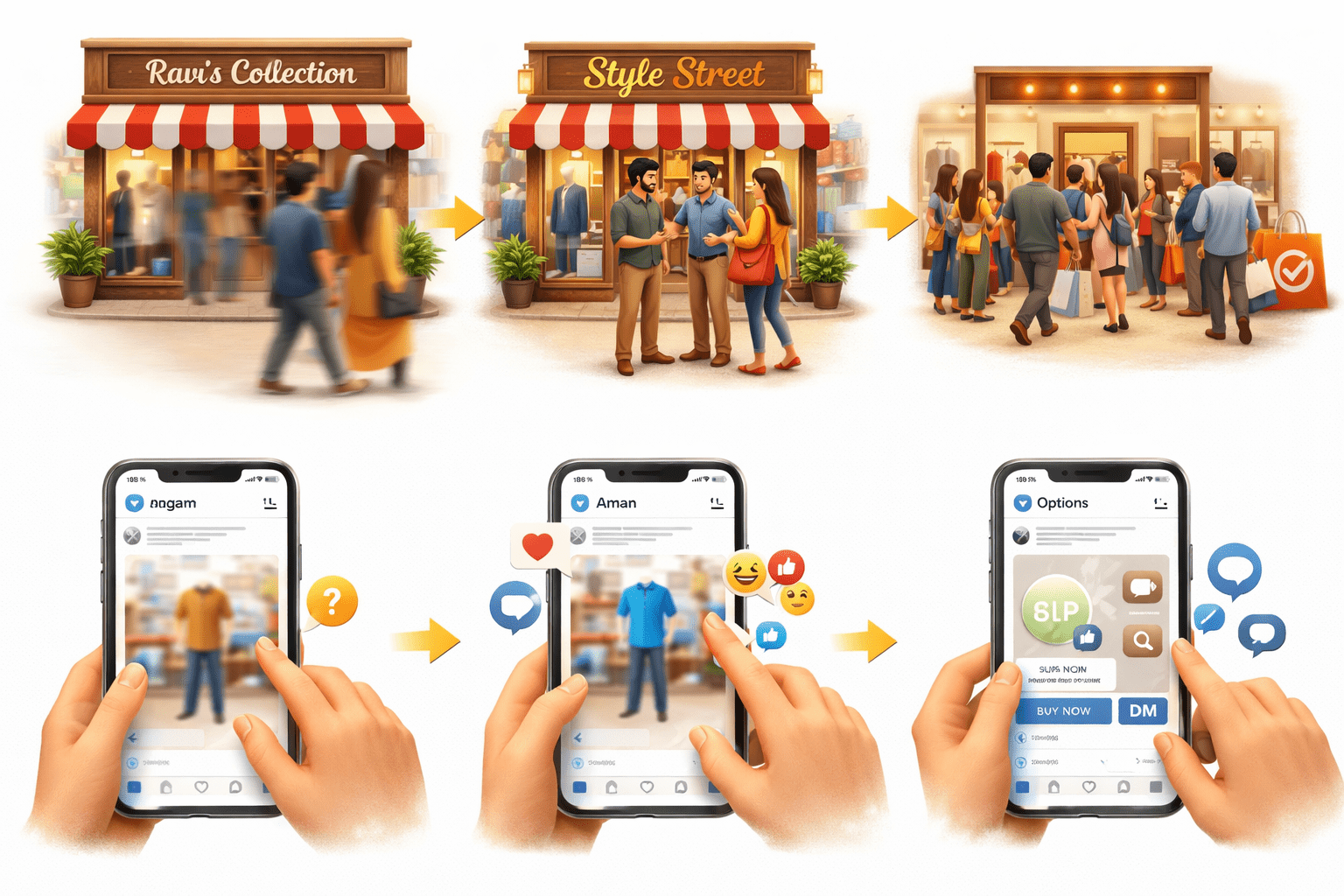
People walked past his shop → they saw it
At Style Street, people stopped & talked → they engaged
Then they entered the shop → they bought
From Real-World To Digital Engagement
Same Thing Happens Online
On Instagram / Facebook:
People scroll past your post → they see it
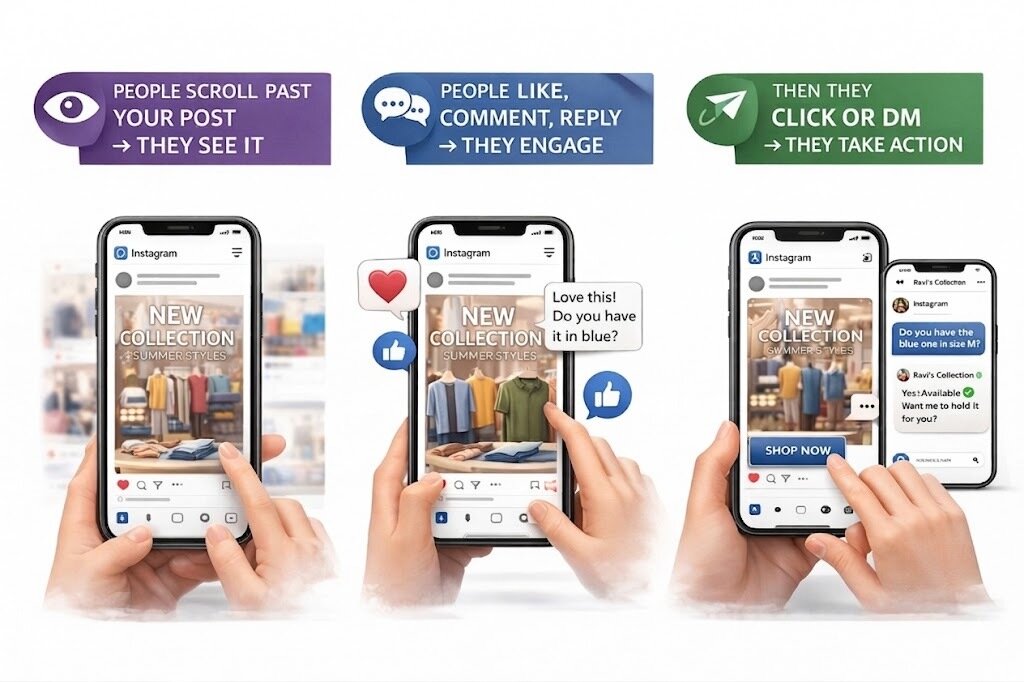
People like, comment, reply → they engage
Then they click or DM → they take action
From Real-World To Digital Engagement
Simple Analogy
Scrolling = Walking past
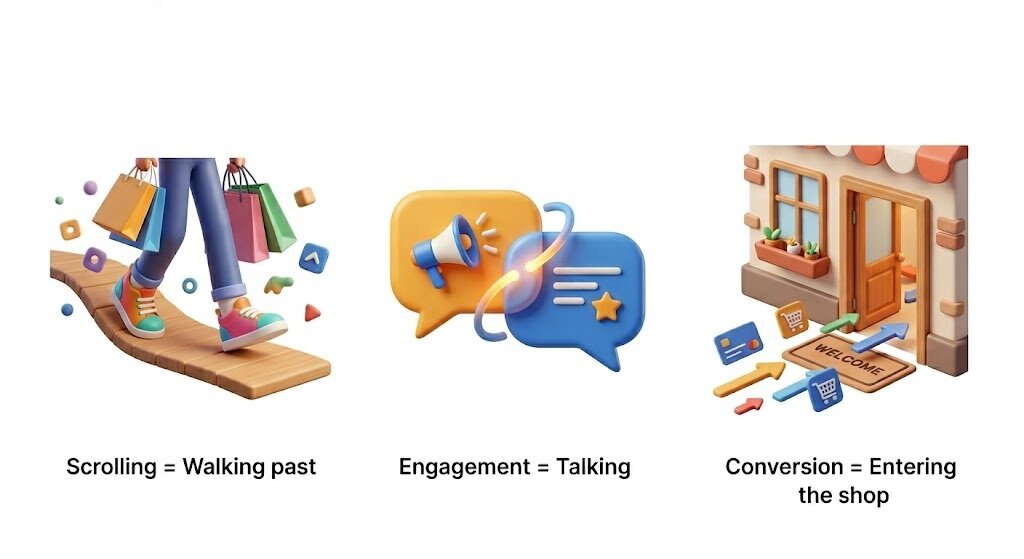
Engagement = Talking
Conversion = Entering the shop
From Real-World To Digital Engagement
“If people don’t talk to you, they won’t buy from you.”
Therefore, engagement plays a crucial role in social media strategy.

What is Engagement?
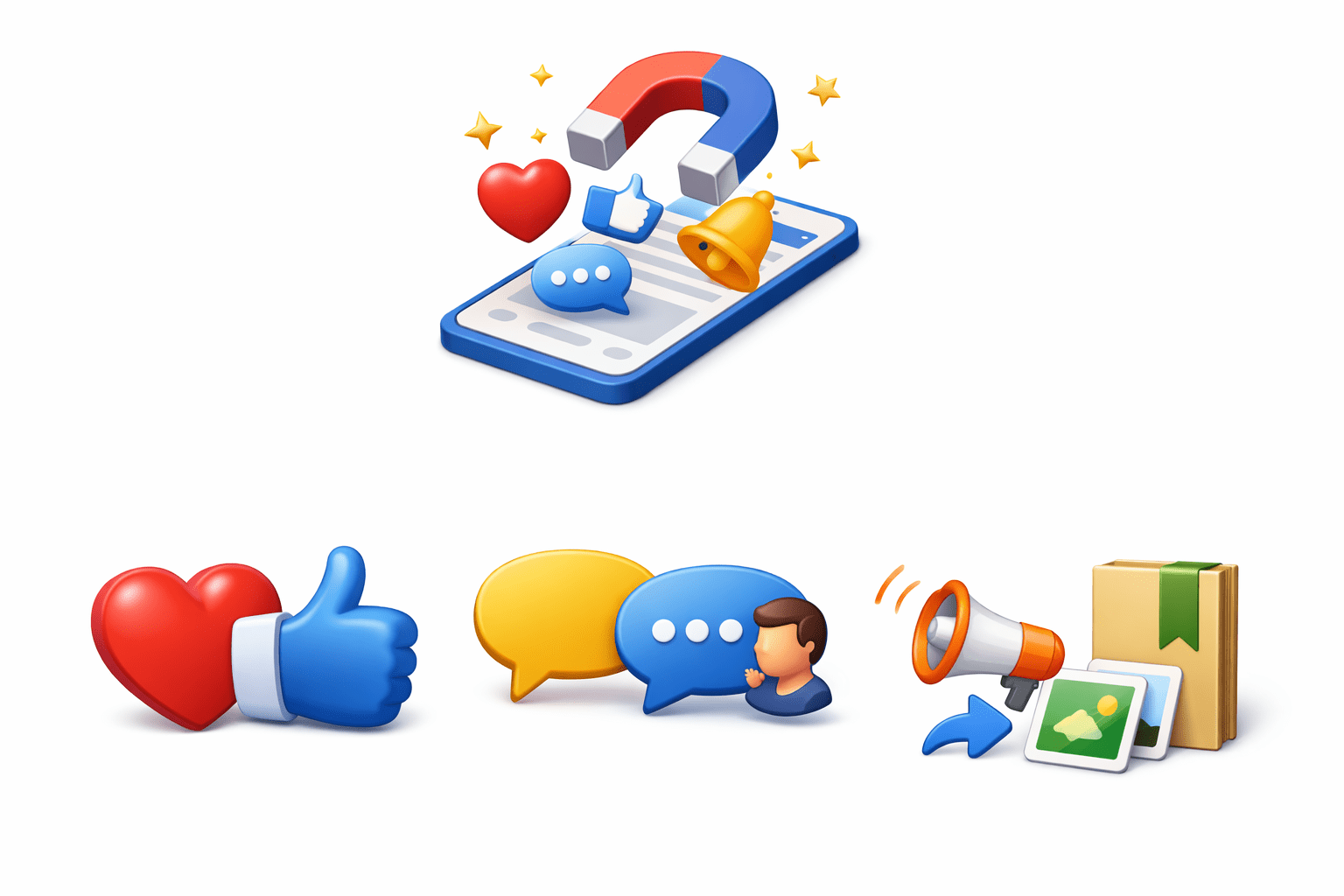
Engagement shows how well your content connects with your audience.
Higher engagement = better reach and visibility.
Types of Engagement:
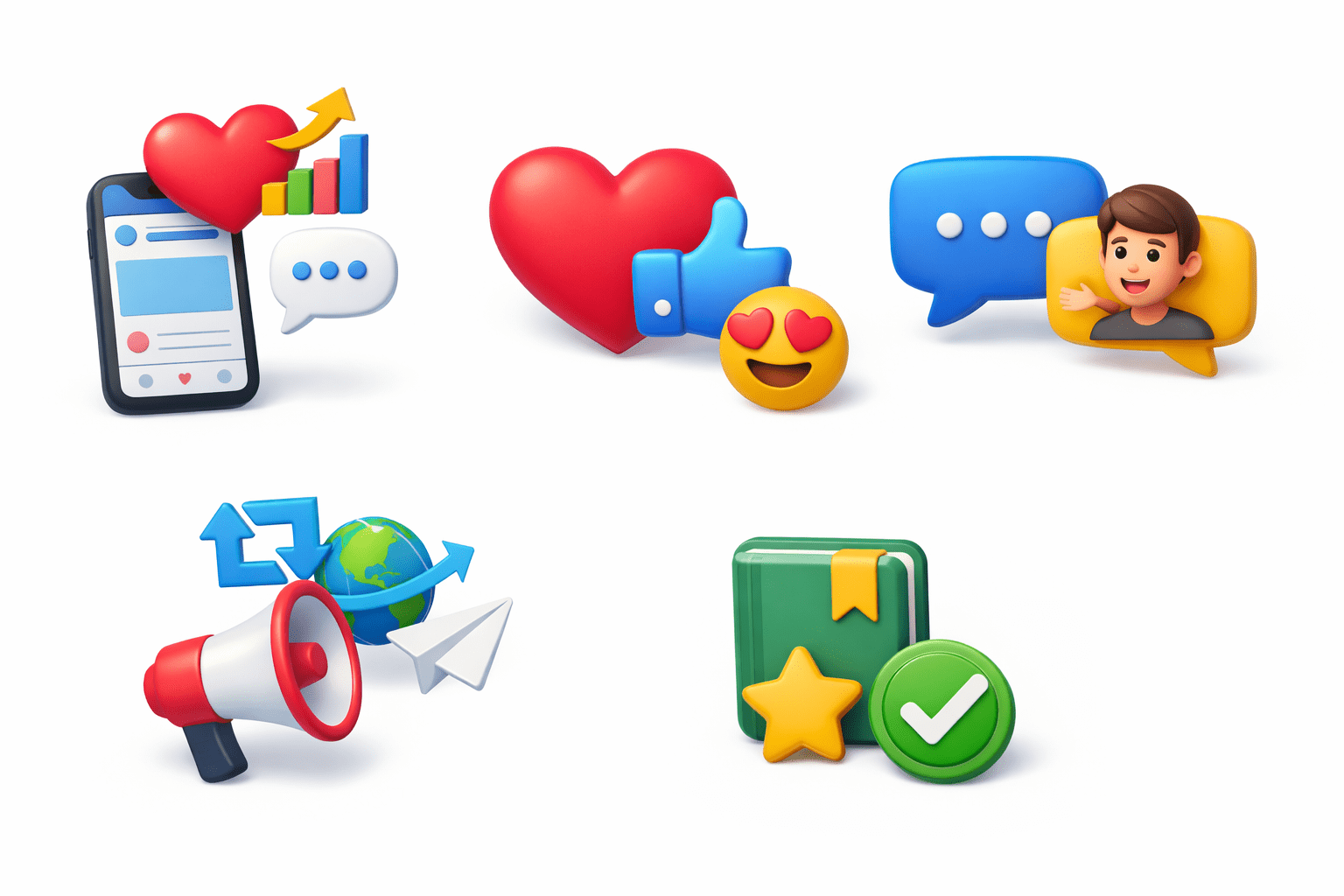
Likes/Reactions → Quick approval
Comments/Replies → Deeper interaction
Saves/Bookmarks → Indicates value
Shares/Retweets → Expands reach
Algorithms & Engagement Signals
Social media platforms promote content based on engagement.
Posts with early and high engagement reach more users, creating a snowball effect.
Understanding this helps improve visibility.
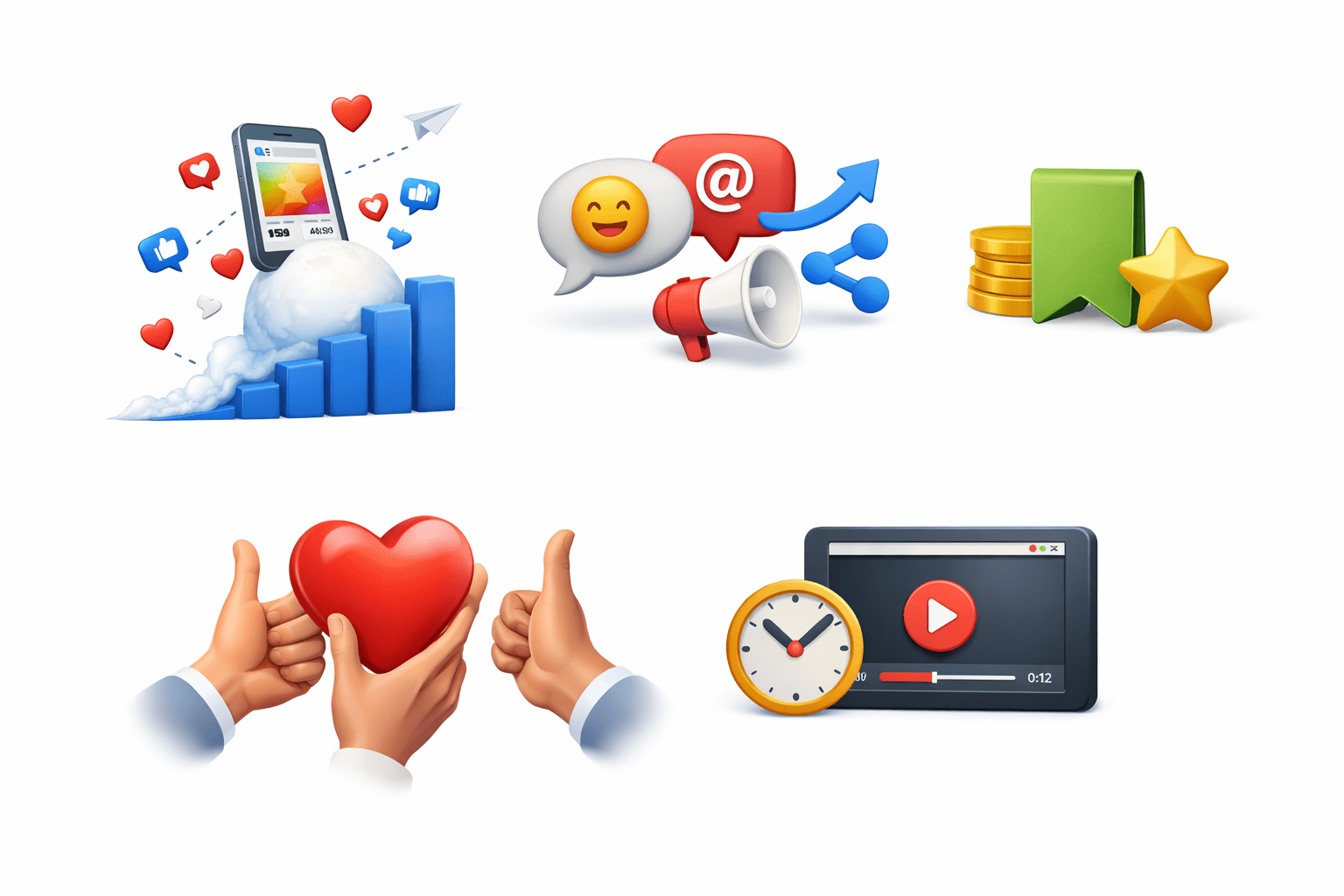
Key Signals:
Likes
→ Moderate signal
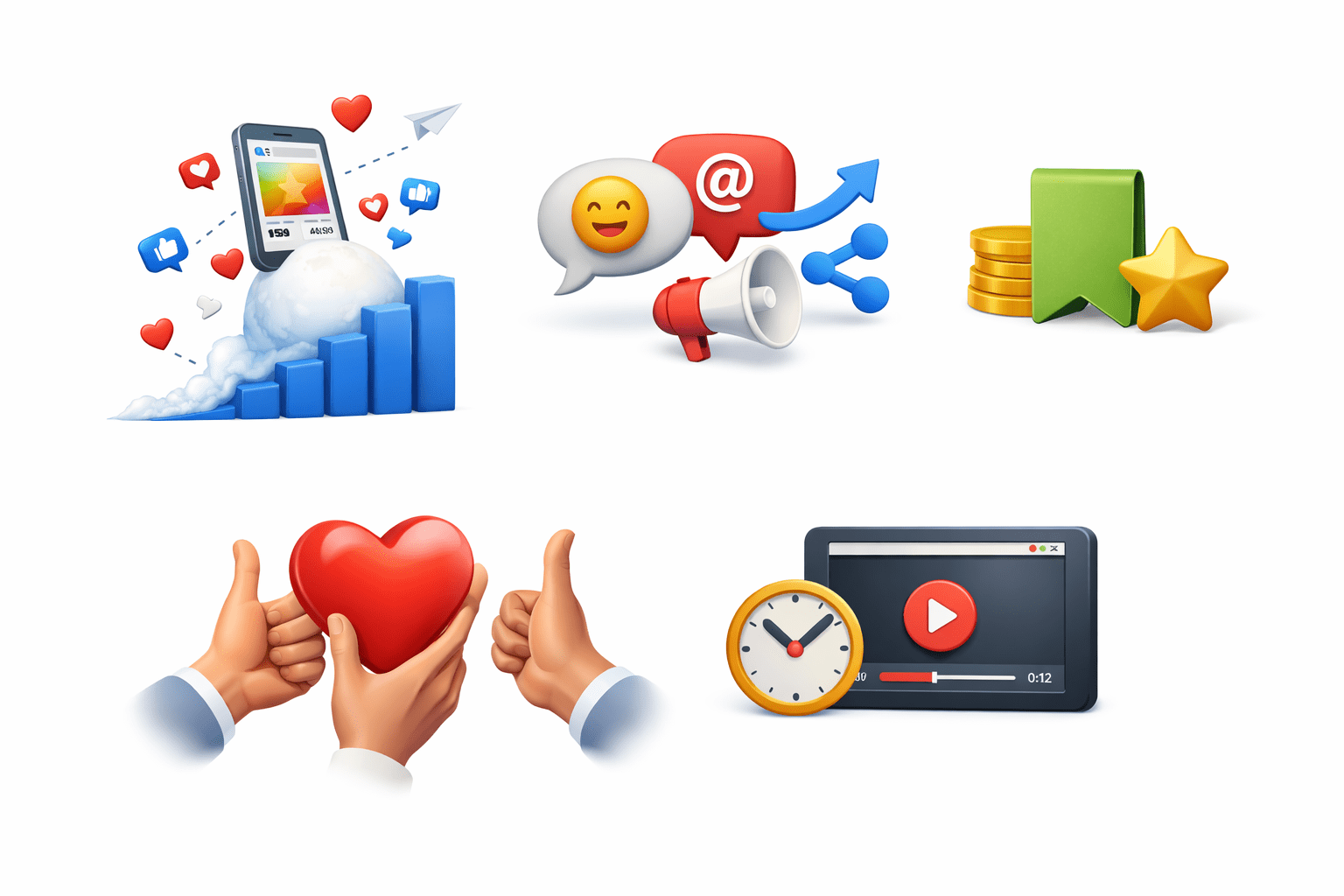
Saves
→ Strong value signal
Comments & Shares
→ High impact (quality content)
Watch Time
→ Important for videos
Community Management
Strong communities increase trust and engagement.
Consistency = Strong community = Higher engagement
Reply to all comments
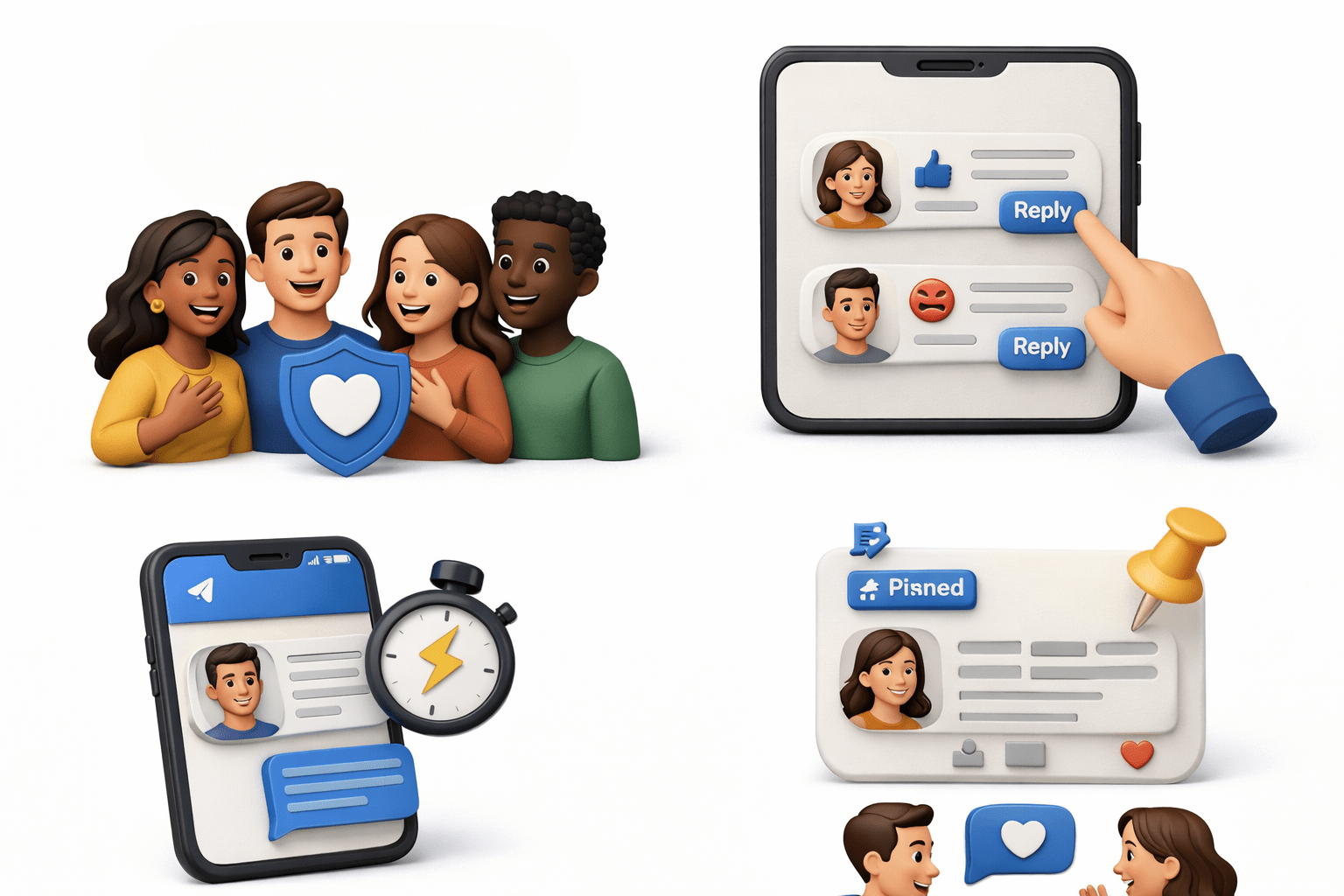
Respond to DMs quickly
Pin helpful comments
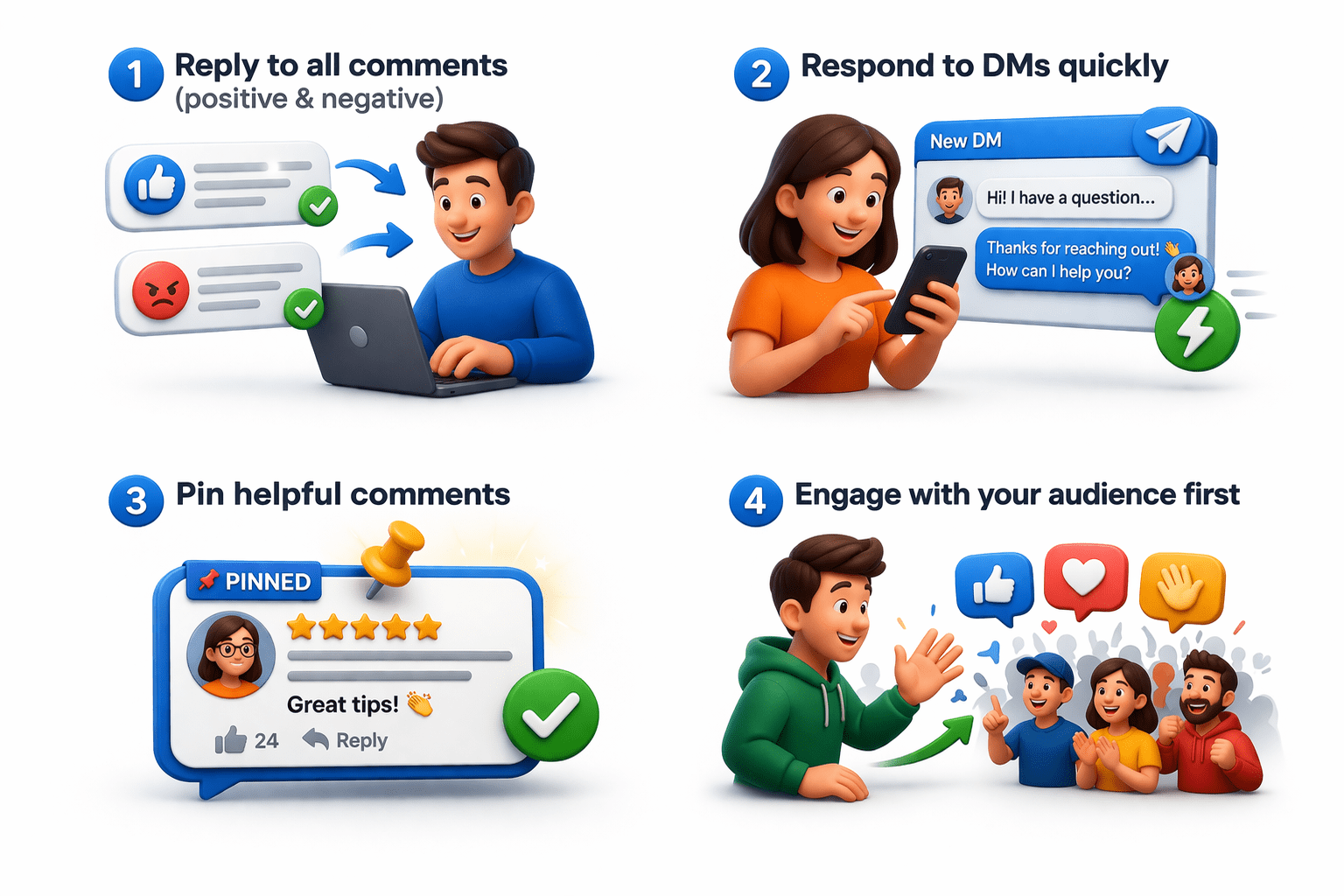
Engage with your audience first
Interactive Content Strategies
Polls → Quick opinions, low effort
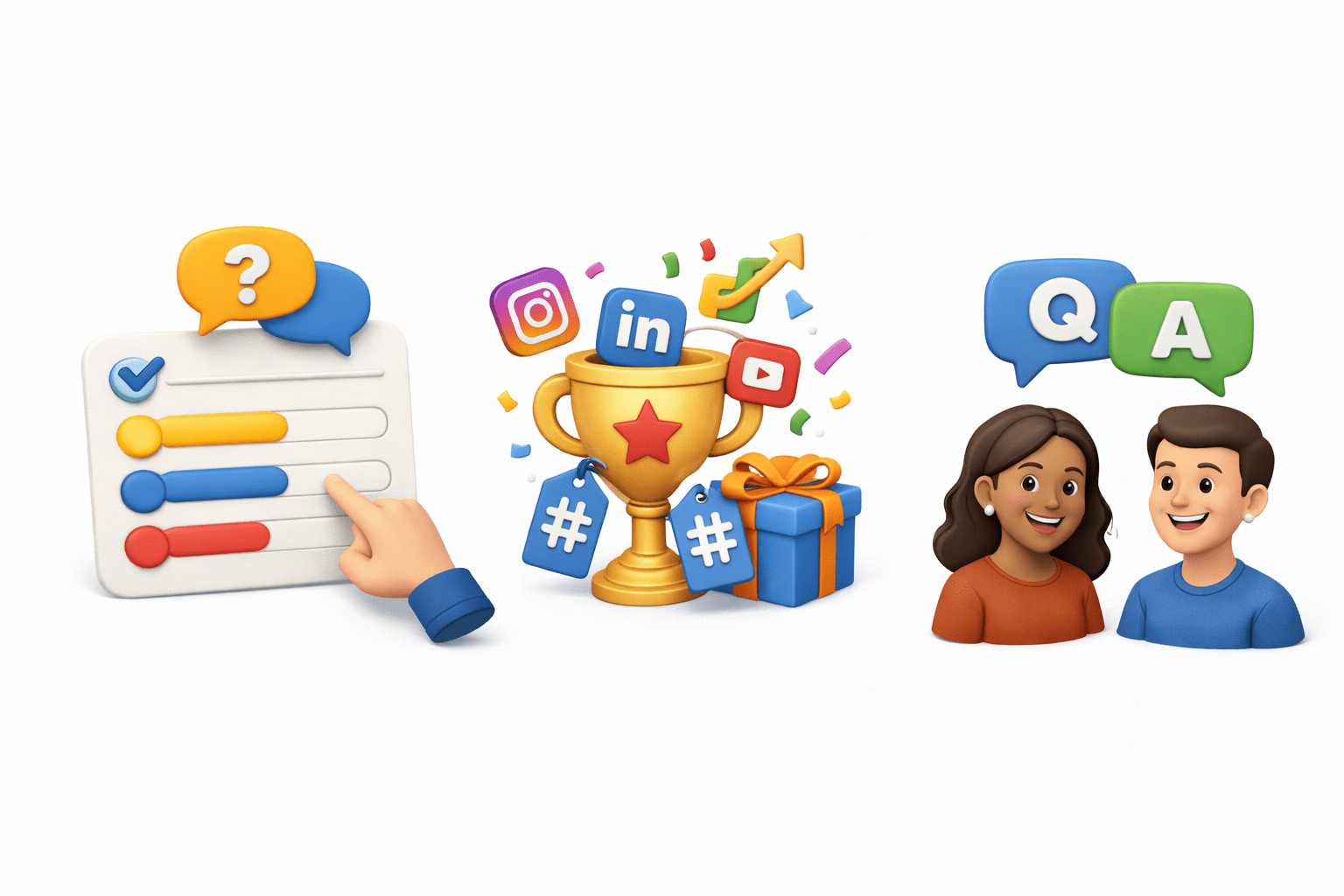
Contests → Boost reach (tag/share)
Q&A → Builds trust & connection
Measuring Engagement Success
Key Metrics:
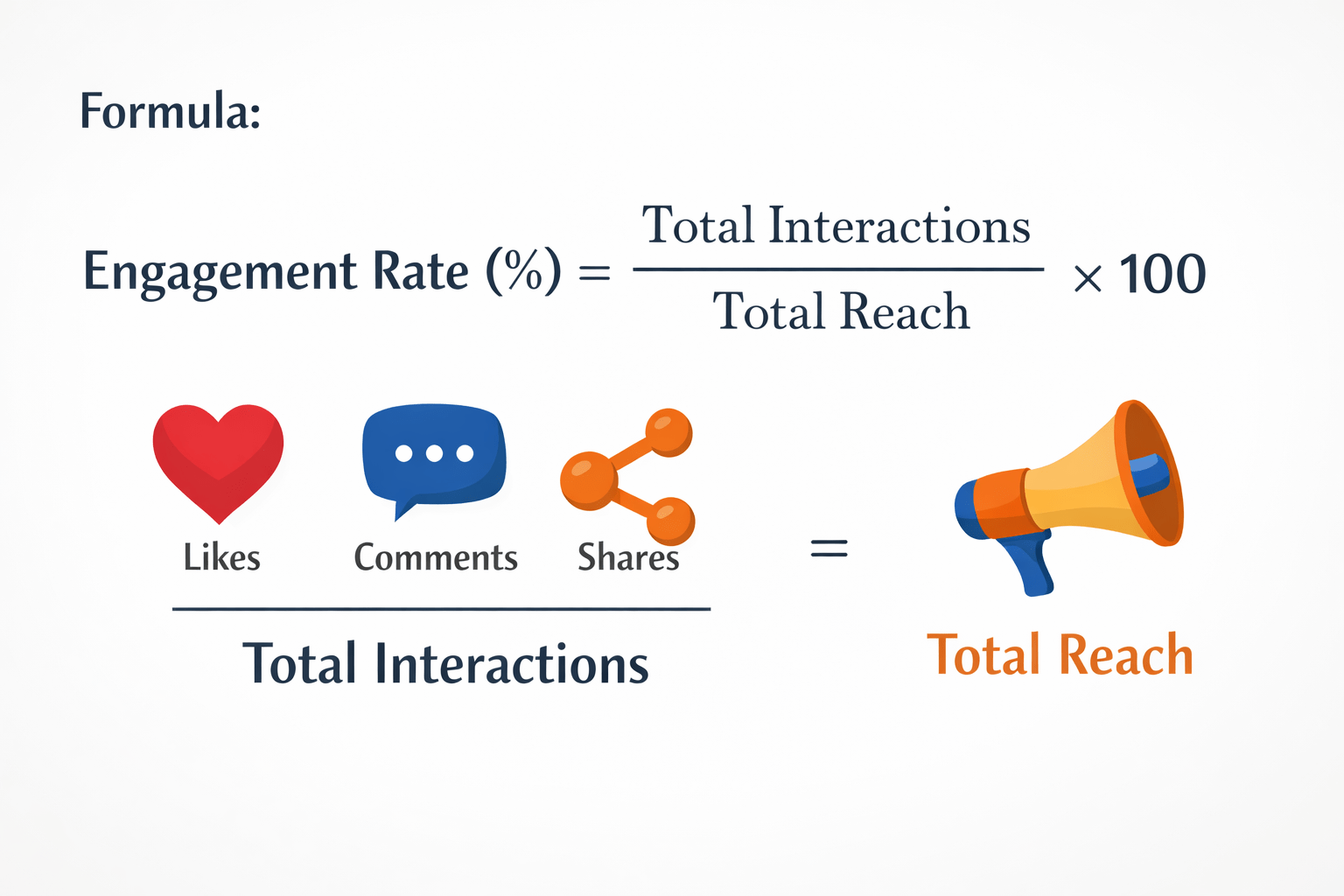
Engagement Rate → Interaction quality

Reach/Impressions → Visibility

Saves & Shares → Value & virality
CTR → Link performance
Measuring Engagement Success
Formula:
Tools:
Platform analytics (Instagram, LinkedIn, YouTube, etc.)

Tools like Hootsuite, Buffer, Sprout Social
Summary
5
Measure using engagement rate, reach, saves, CTR, analytics
4
Community management builds trust through replies, DMs, etc
3
Algorithms boost posts with early engagement & increase reach
2
Likes, comments, shares, saves indicate interaction & value
1
Engagement shows how well content connects with audience
Quiz
Which of the following is NOT an engagement metric?
A. Likes
B. Comments
C. Shares
D. Server speed

Quiz-Answer
Which of the following is NOT an engagement metric?
A. Likes
B. Comments
C. Shares
D. Server speed
