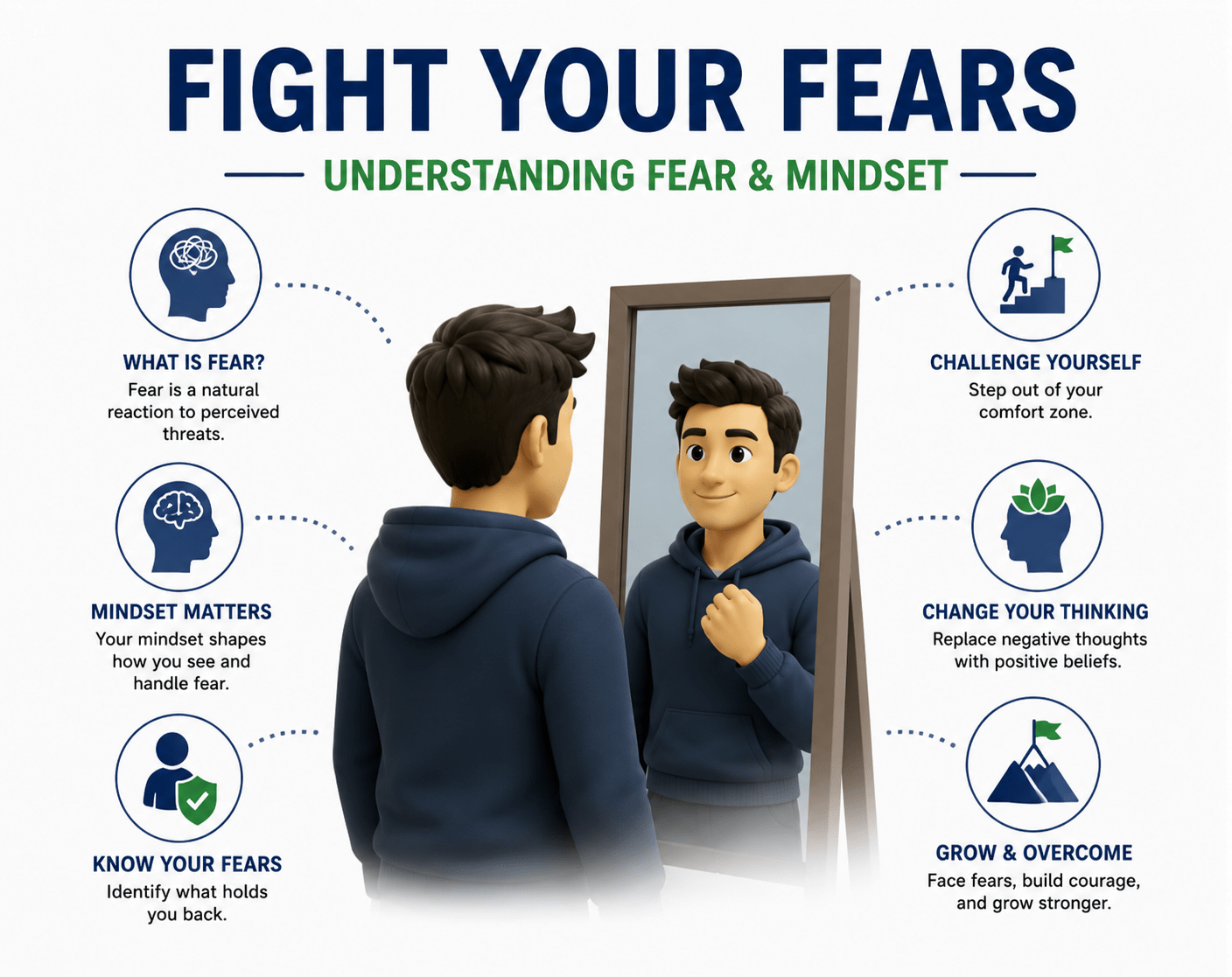
Fight Your Fears


Understanding Fear and Mindset


Learning Outcome
5
Apply Flip Learning strategies for effective learning and training
4
Recognize applications of Flip Learning in different fields
3
Explain how Flip Learning works
2
Identify the key elements of flipped classrooms
1
Understand the concept of Flip Learning
Imagine if learning felt as addictive as Netflix, as interactive as YouTube, and as engaging as your favorite social media feed

would classrooms still feel exhausting?
That’s exactly where Flip Learning changes the game
students explore concepts before class and turn classroom time into discussions, collaboration, and real learning experiences.
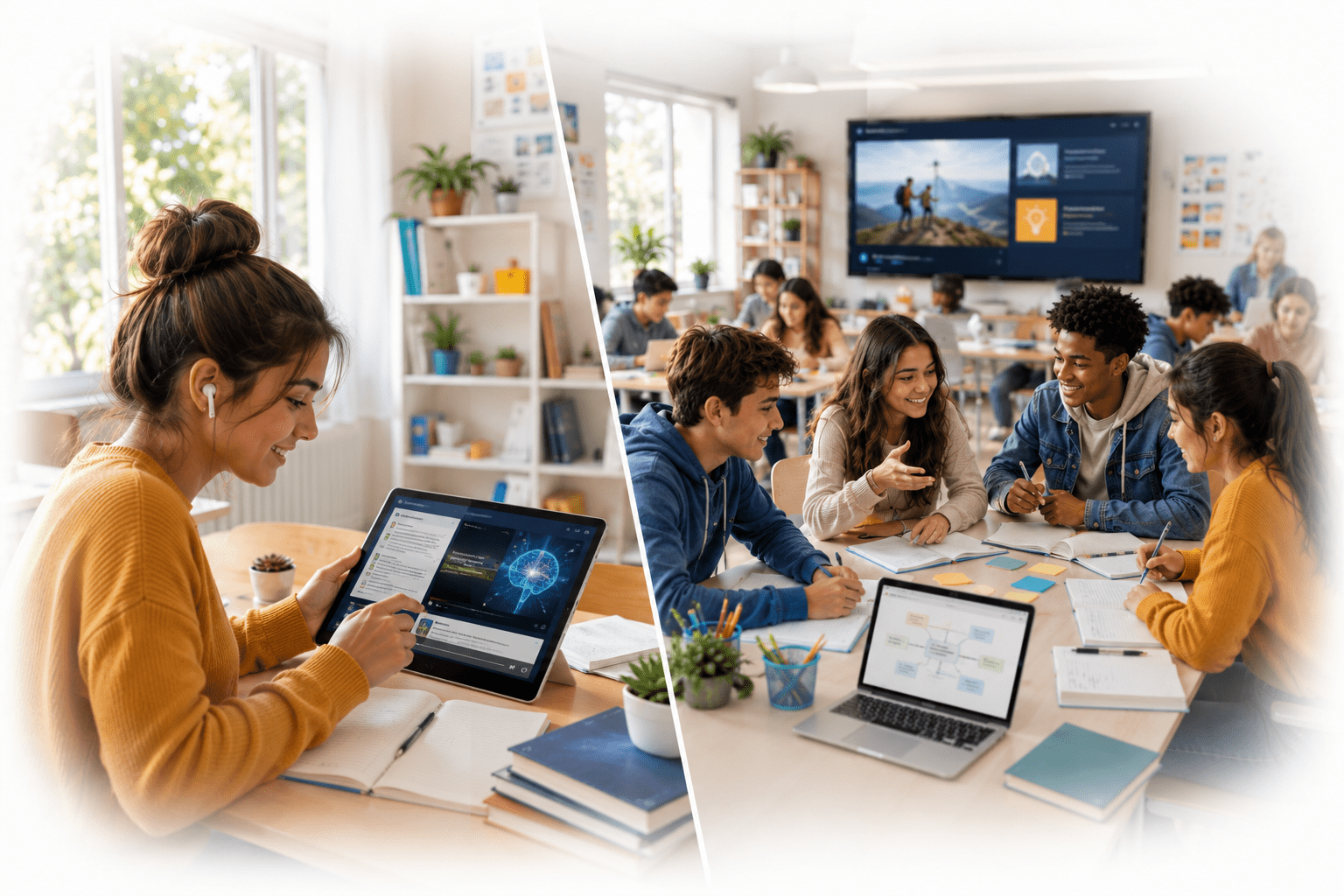
Why Flip Learning?

1.Turns learners from passive listeners into active participants
2.Makes classrooms more interactive, engaging, and practical
3.Makes classrooms more interactive, engaging, and practical
4.Improves understanding through discussions and real-world application
5.Builds critical thinking, collaboration, and problem-solving skills
What is Flip Learning?
That includes-
Learners study concepts before class
1.Classroom time focuses on activities and discussions
2.Encourages learner-centered learning
3.Combines digital and collaborative learning
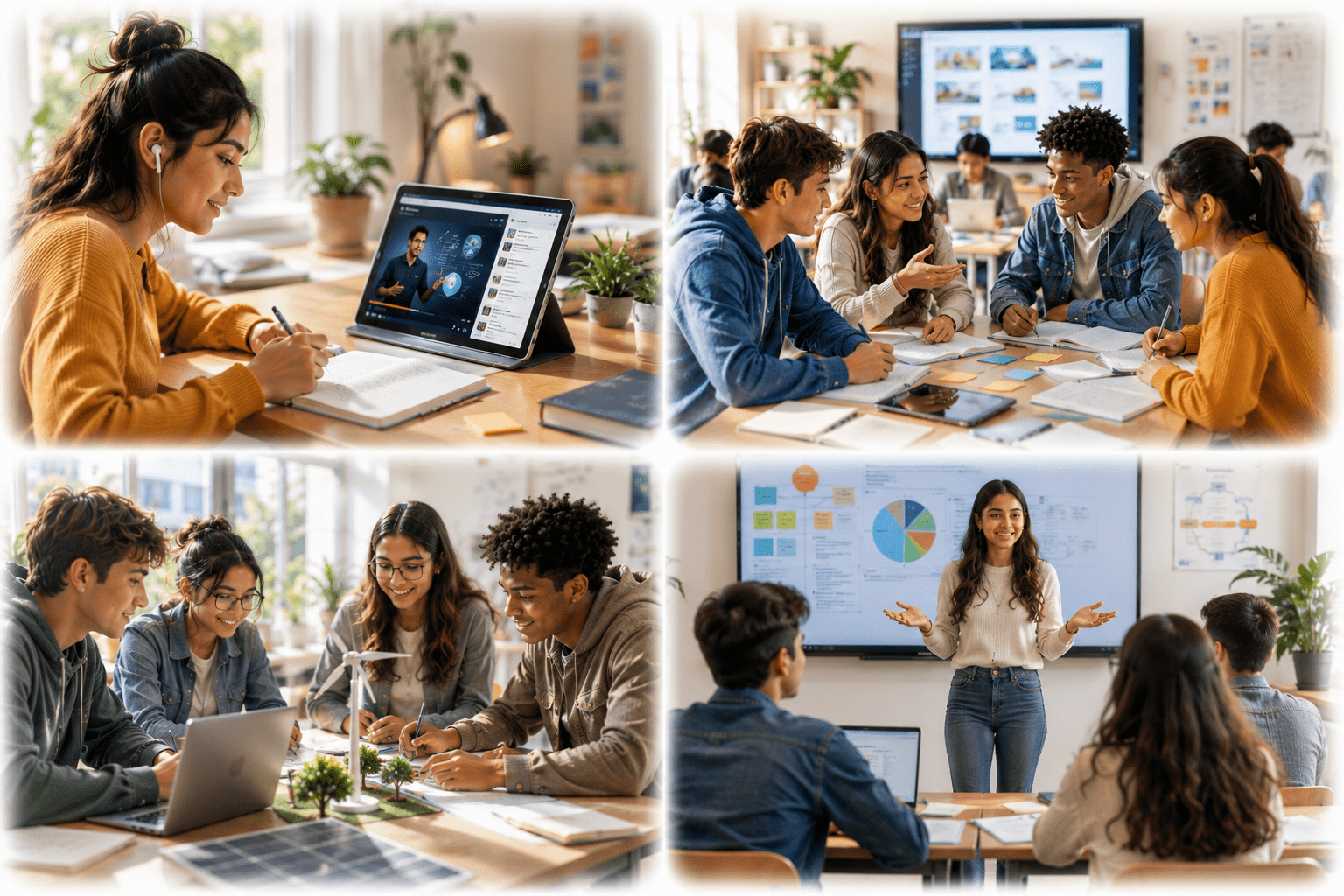
Flip Learning is a method where learners study before class and use classroom time for activities, discussions, and practice.
4.Promotes self-learning and responsibility
Key Elements of Flip Learning

1.Pre-class learning materials (videos, notes, articles)
2.Interactive classroom activities
3.Group discussions and peer learning
4.Real-world problem-solving tasks
5.Continuous feedback and reflection
How Flip Learning Works
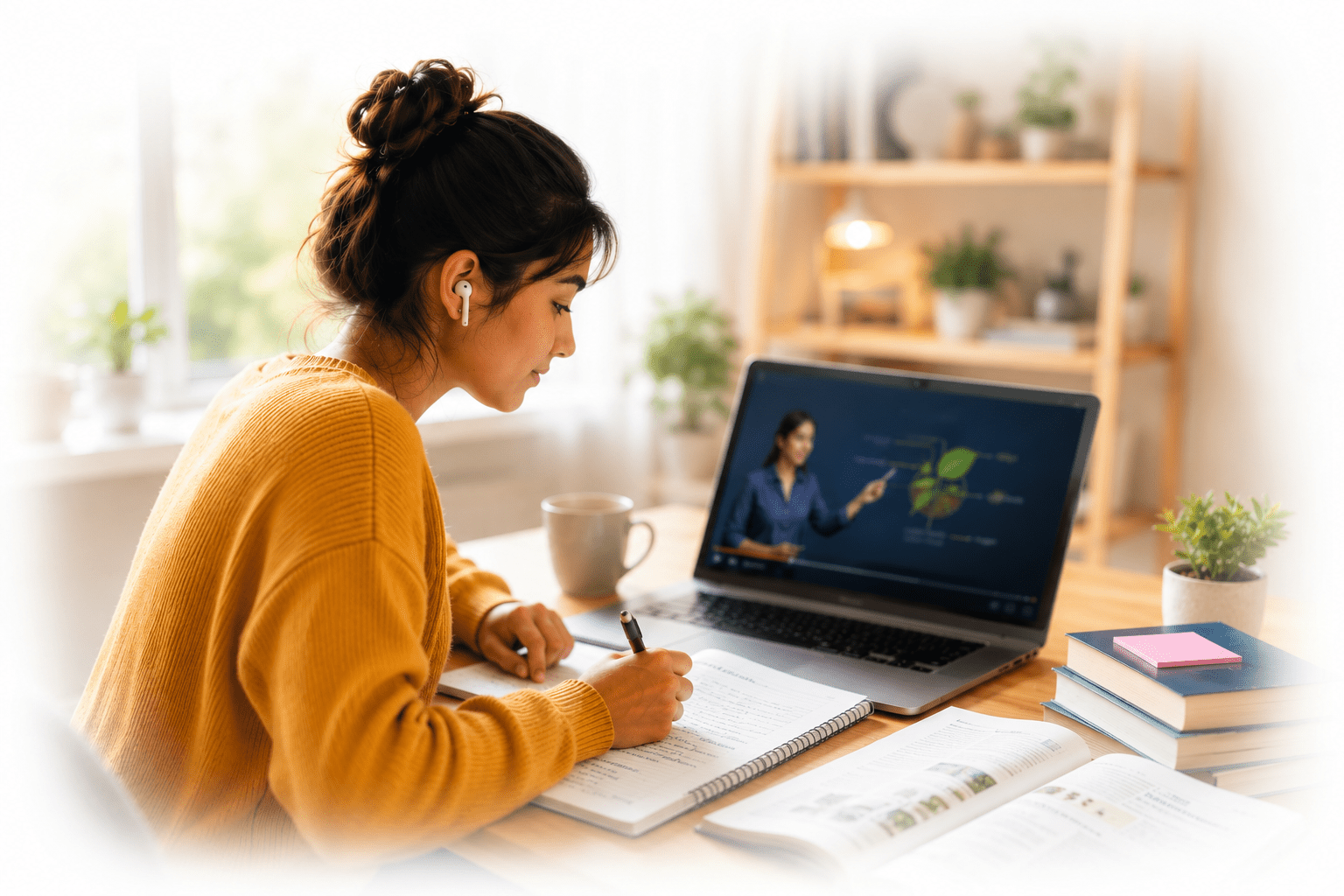
Before Class
-
Learners watch videos or read study material
-
Basic concepts are understood independently

During Class
-
Participate in discussions and activities
-
Solve problems and clarify doubts
-
Work on collaborative tasks
After Class

-
Reflect and apply learning through assignments or practice
Applications of Flip Learning

1.Classroom teaching and academic learning
4.Online and blended learning environments
5.Technical and soft skills training sessions
2.Corporate training and skill development
3.Interview and placement preparation
Advantages of Flip Learning

1.Increases learner engagement
2.Promotes independent learning
3.Improves communication and teamwork
Summary
5
Enhances understanding and application of knowledge
4
Encourages self-learning, collaboration, and engagement
3
Classroom time focuses on practice and interaction
2
Learners prepare concepts before class
1
Flip Learning shifts learning from passive to active participation
Quiz
What is the role of the teacher in Flip Learning?
A. Only giving lectures
B. Becoming a facilitator and guide
C. Avoiding student interaction
D. Only assigning exams

Quiz-Answer
What is the role of the teacher in Flip Learning?
A. Only giving lectures
B. Becoming a facilitator and guide
C. Avoiding student interaction
D. Only assigning exams