Social Media Marketing


Targeting


Learning Outcome
6
Make data-driven decisions to optimize performance
5
Leverage organic data to improve paid targeting
4
Perform A/B testing to identify best audiences
3
Choose platforms based on targeting strengths and goals
2
Use custom and lookalike audiences for scaling
1
Understand demographic, behavioral, interest-based targeting
The Sweet Shop Story
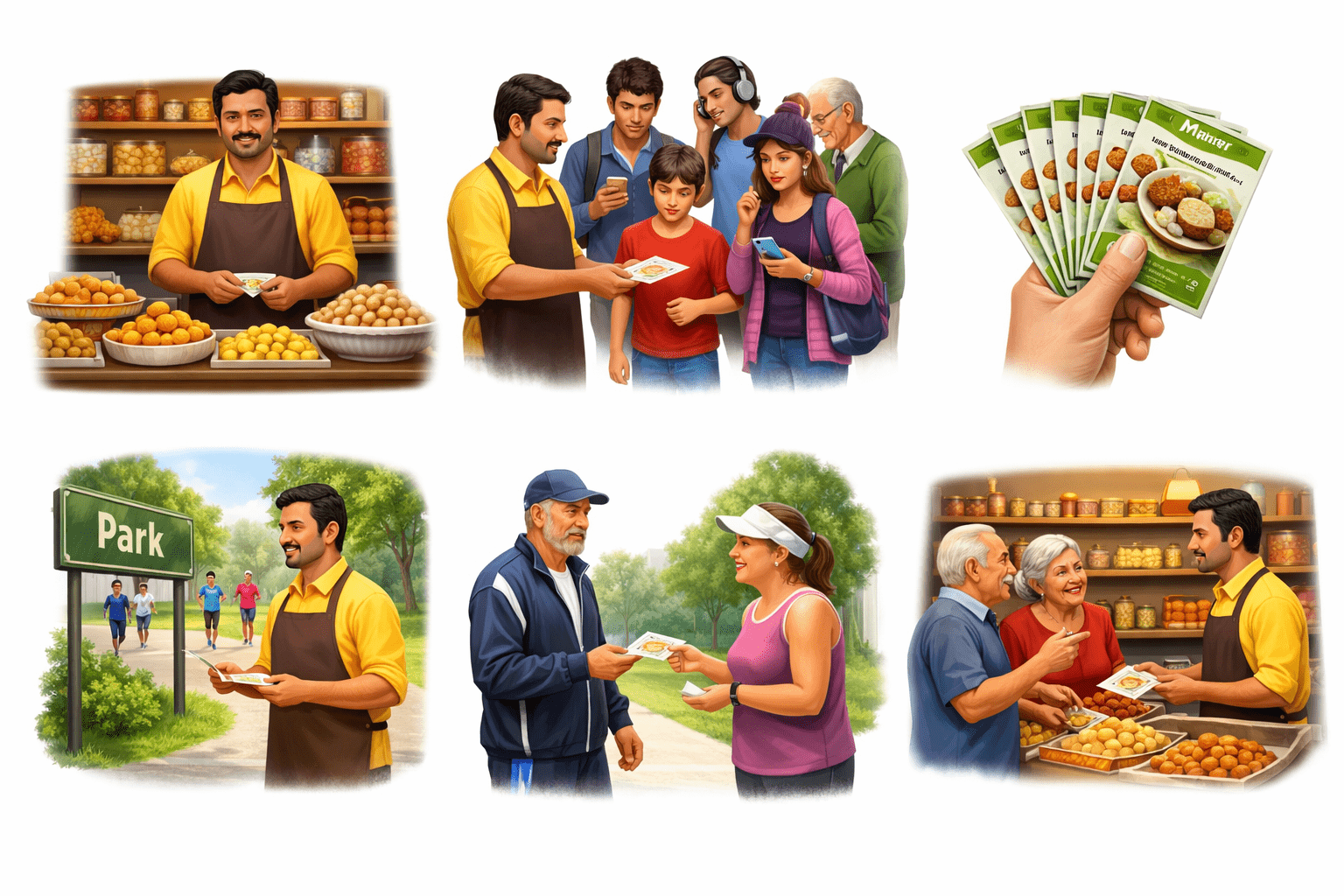
Ravi owns a sweet shop in a busy market.
The Sweet Shop Story
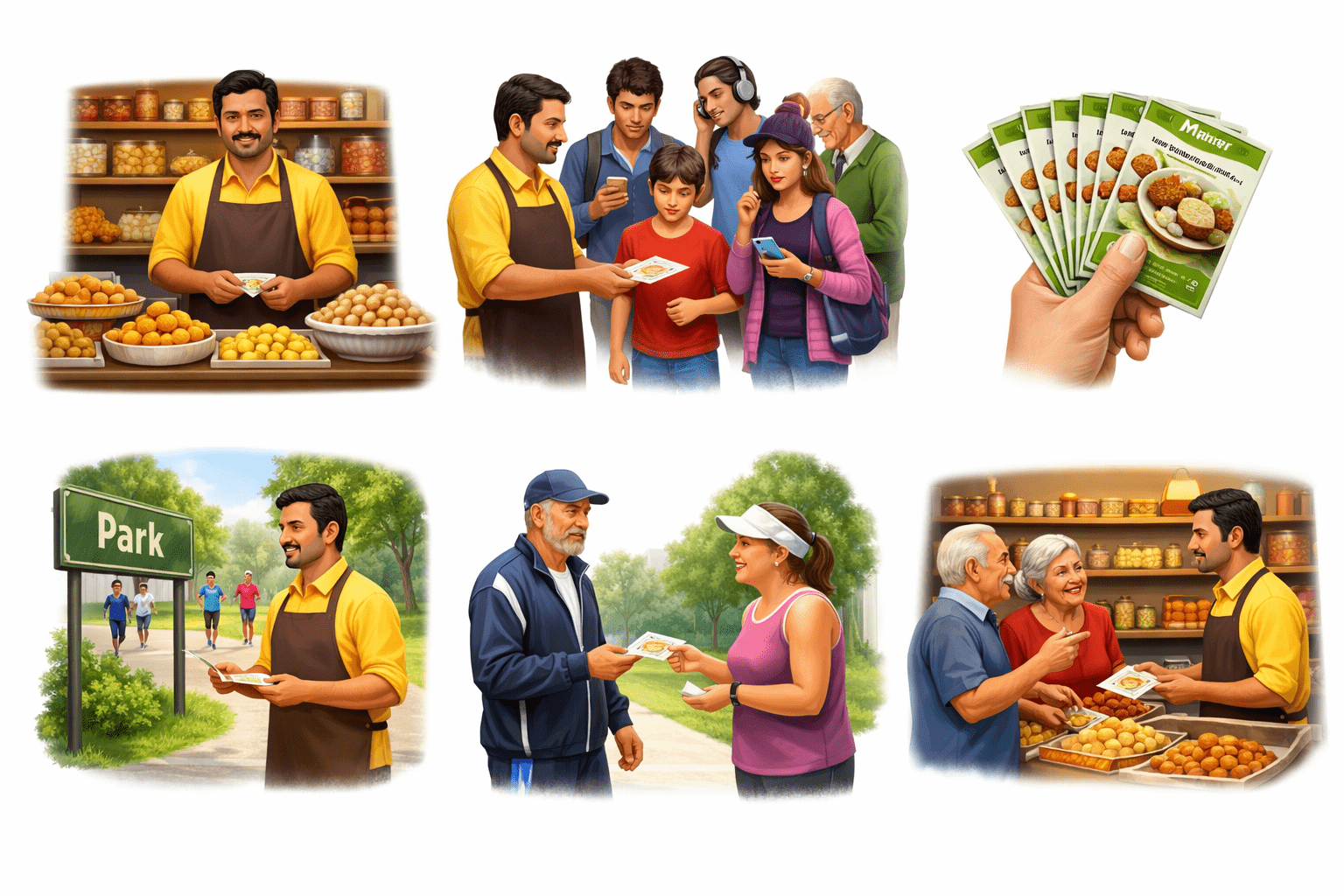
One day, he decides to promote his sugar-free sweets. So what does he do?
He prints 1,000 pamphlets and distributes them randomly to everyone passing by - kids, teenagers, young adults, and elderly people.
The Sweet Shop Story

Result?
Most people ignore it. Kids don’t care about sugar-free sweets, and many others aren’t interested.
Ravi feels like marketing doesn’t work.
The Sweet Shop Story
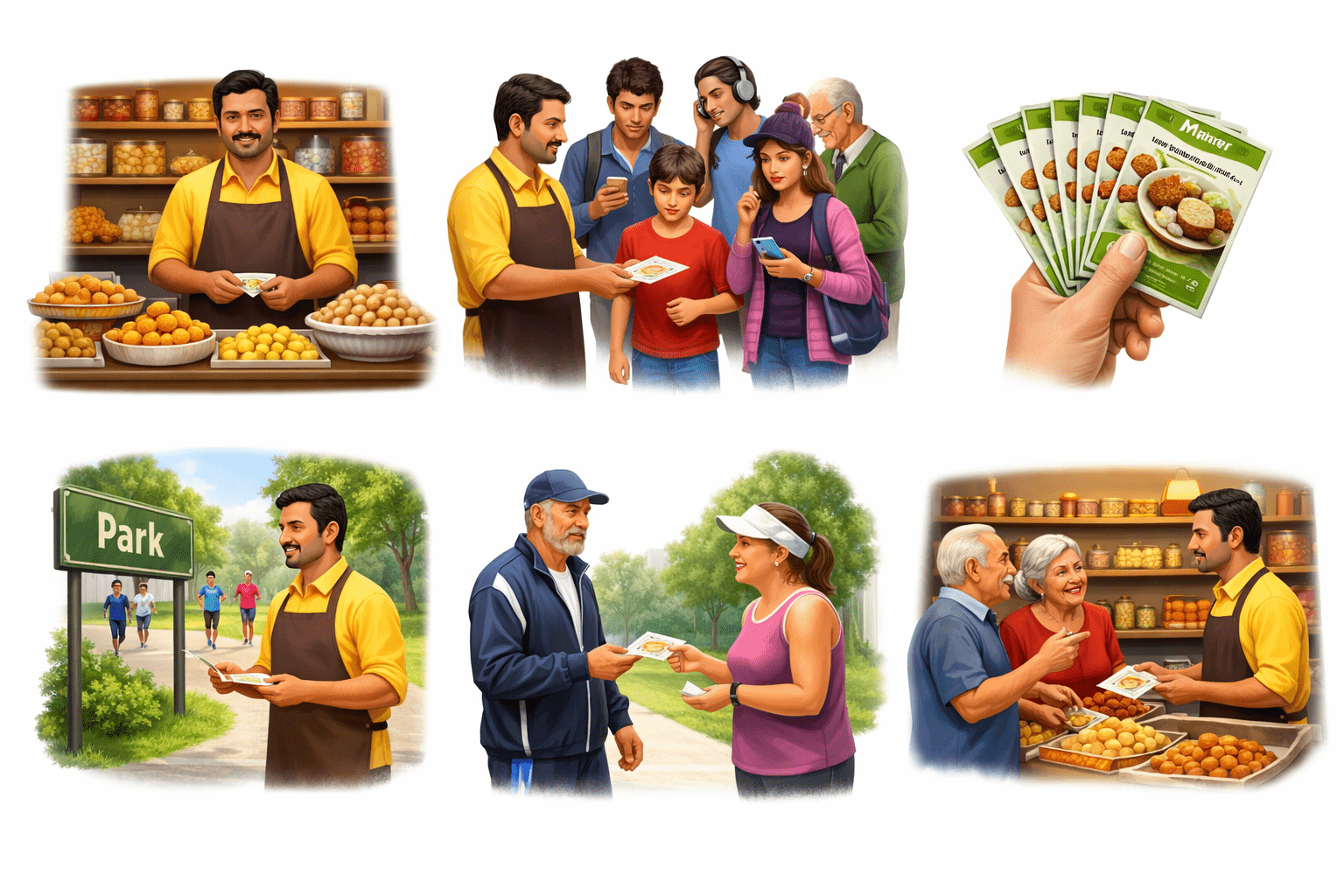
The next day, he tries something different.
This time, he stands near a morning walking park where mostly health-conscious and older people come.
He gives the same pamphlets only to them.
The Sweet Shop Story
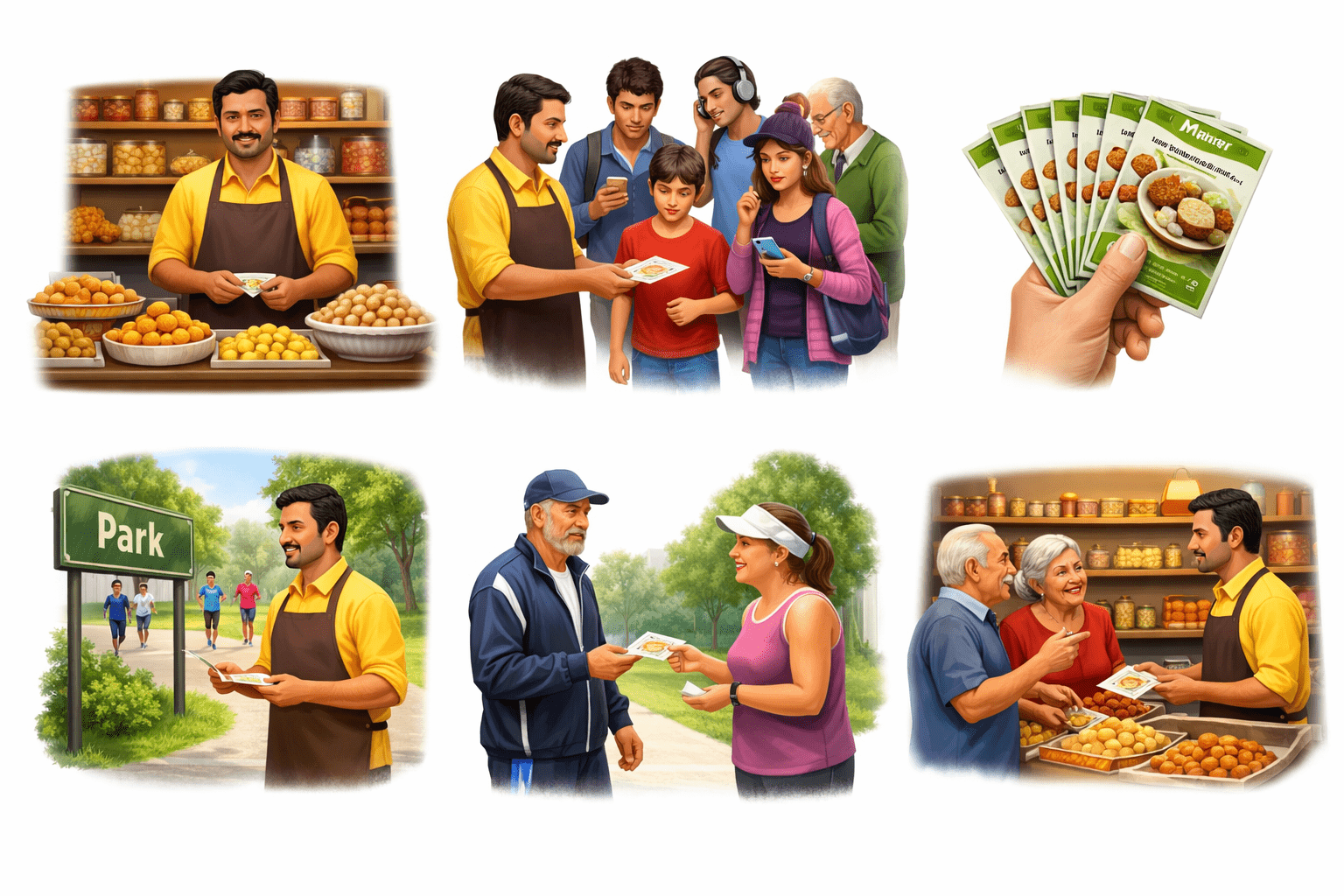
Result?
People show interest, ask questions, and even visit his shop.
The Story Behind Smart Targeting
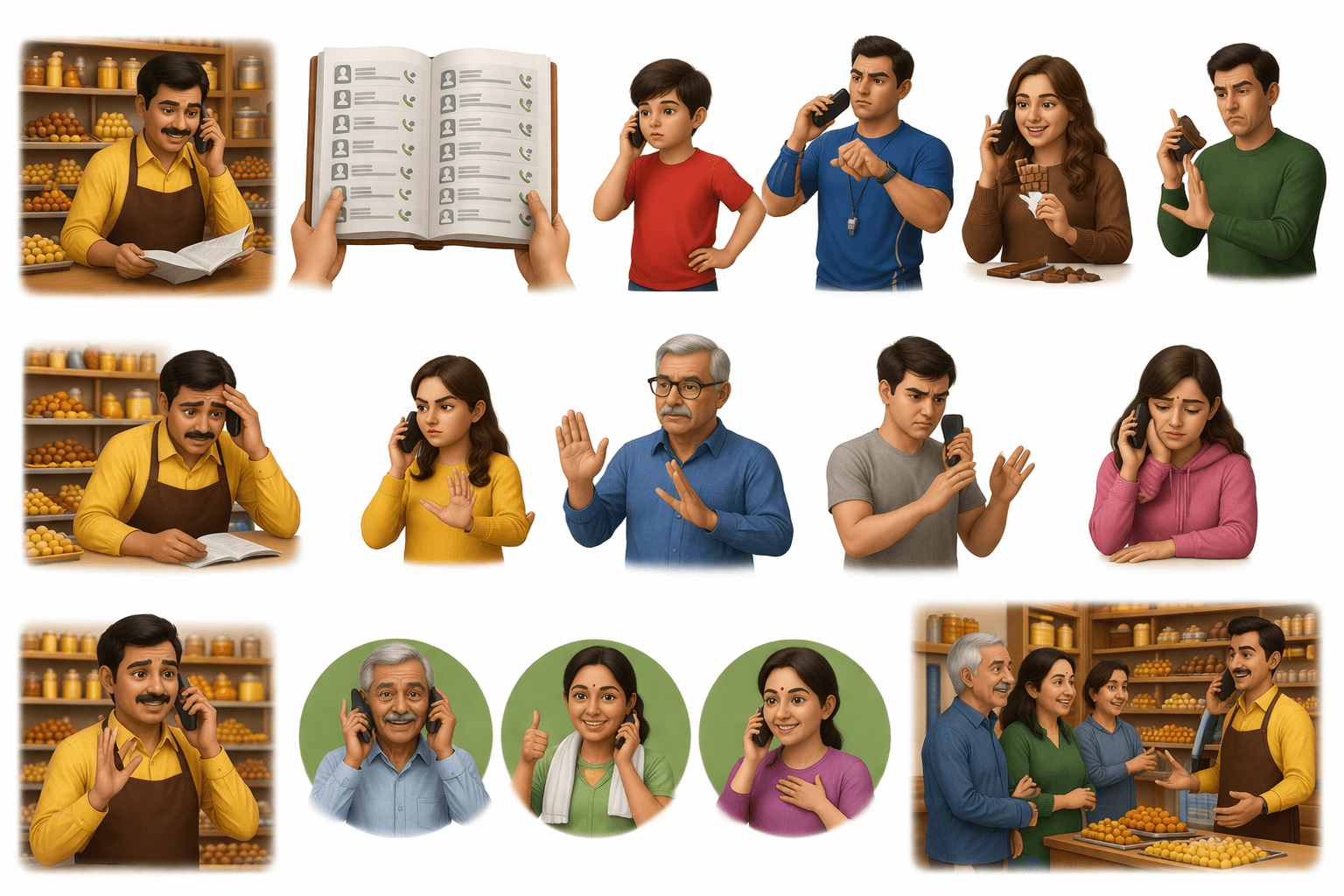
After Ravi understood that random pamphlet distribution didn’t work, he thought of another idea.
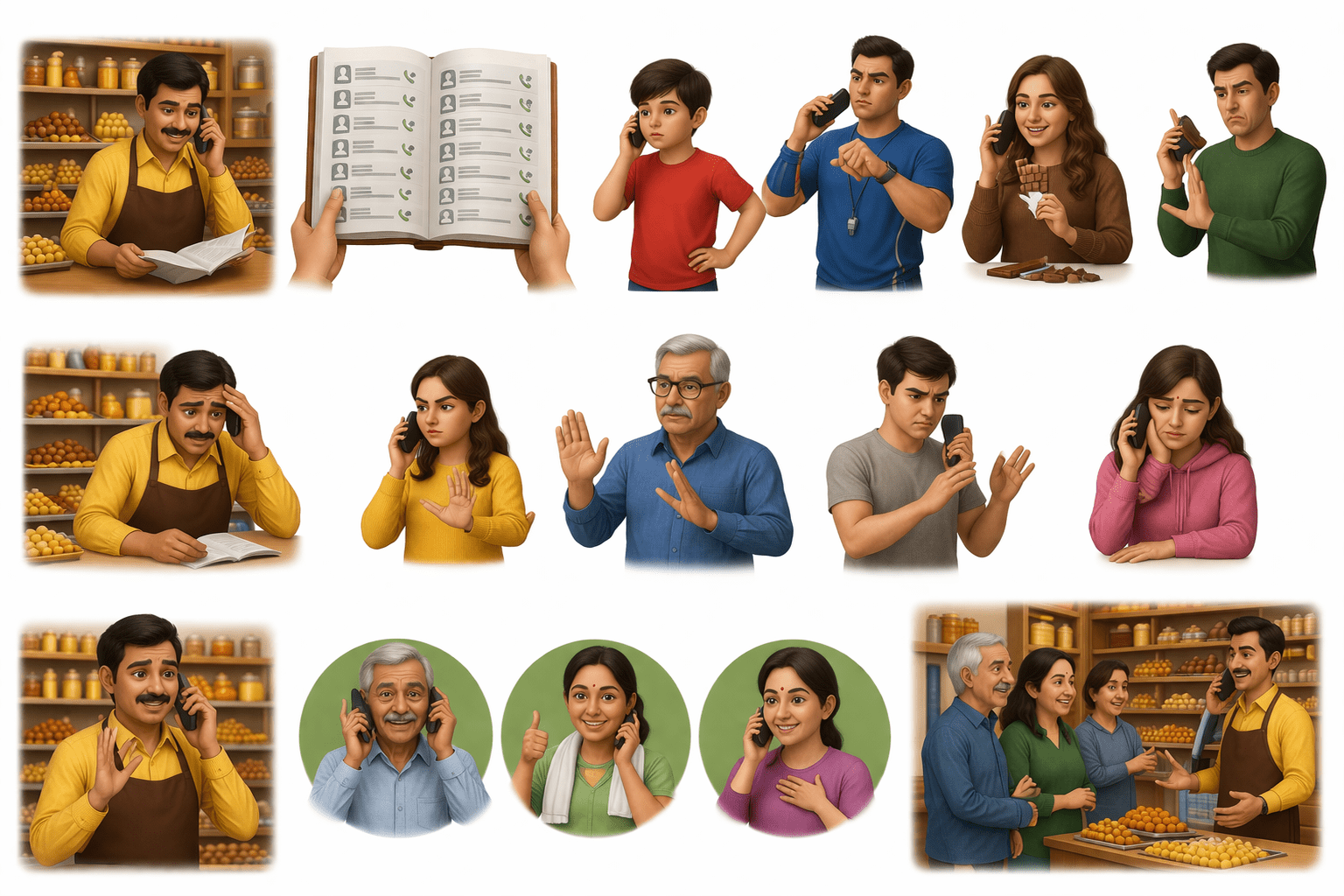
Imagine Ravi now has a phone directory of people in his area.
The Story Behind Smart Targeting
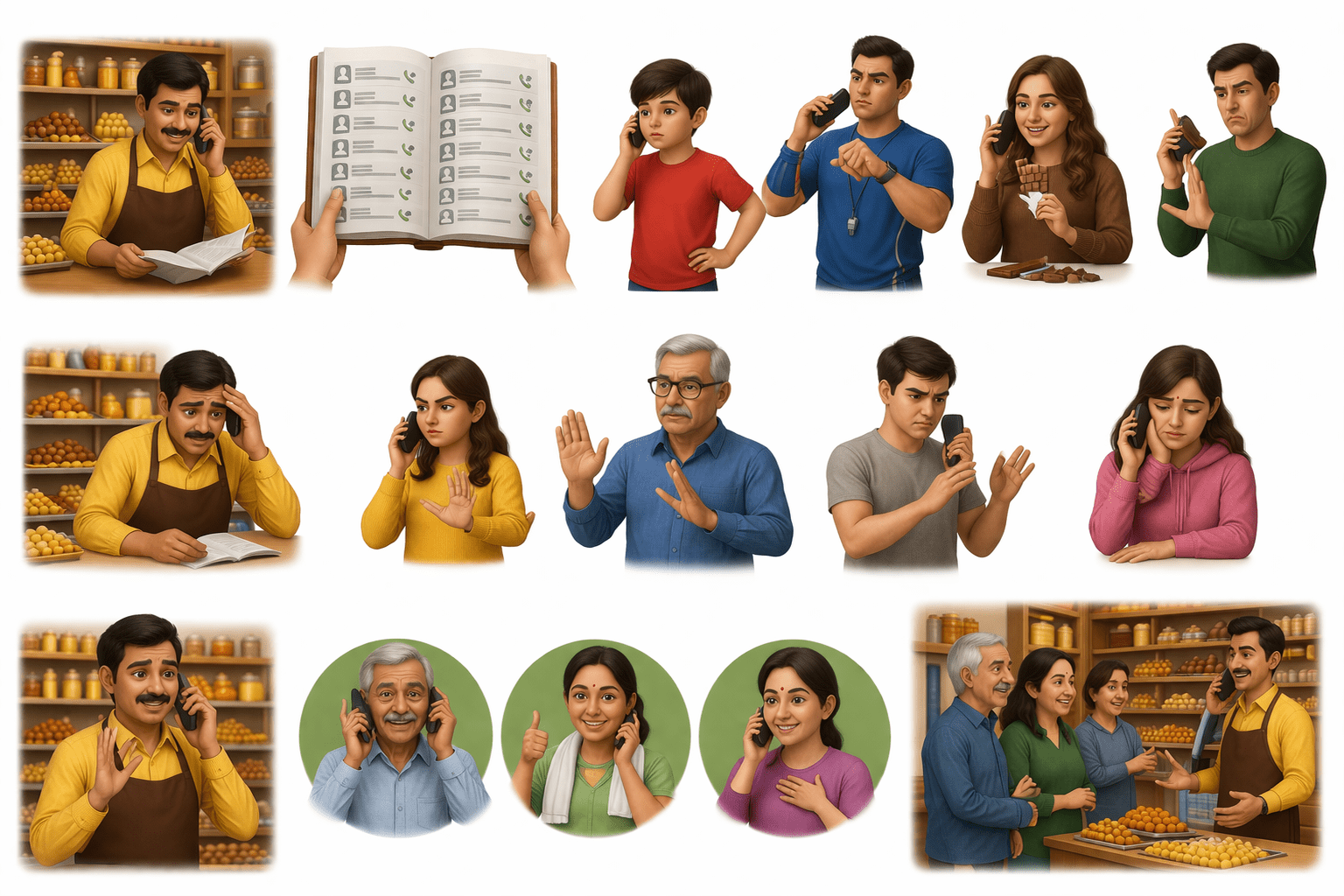
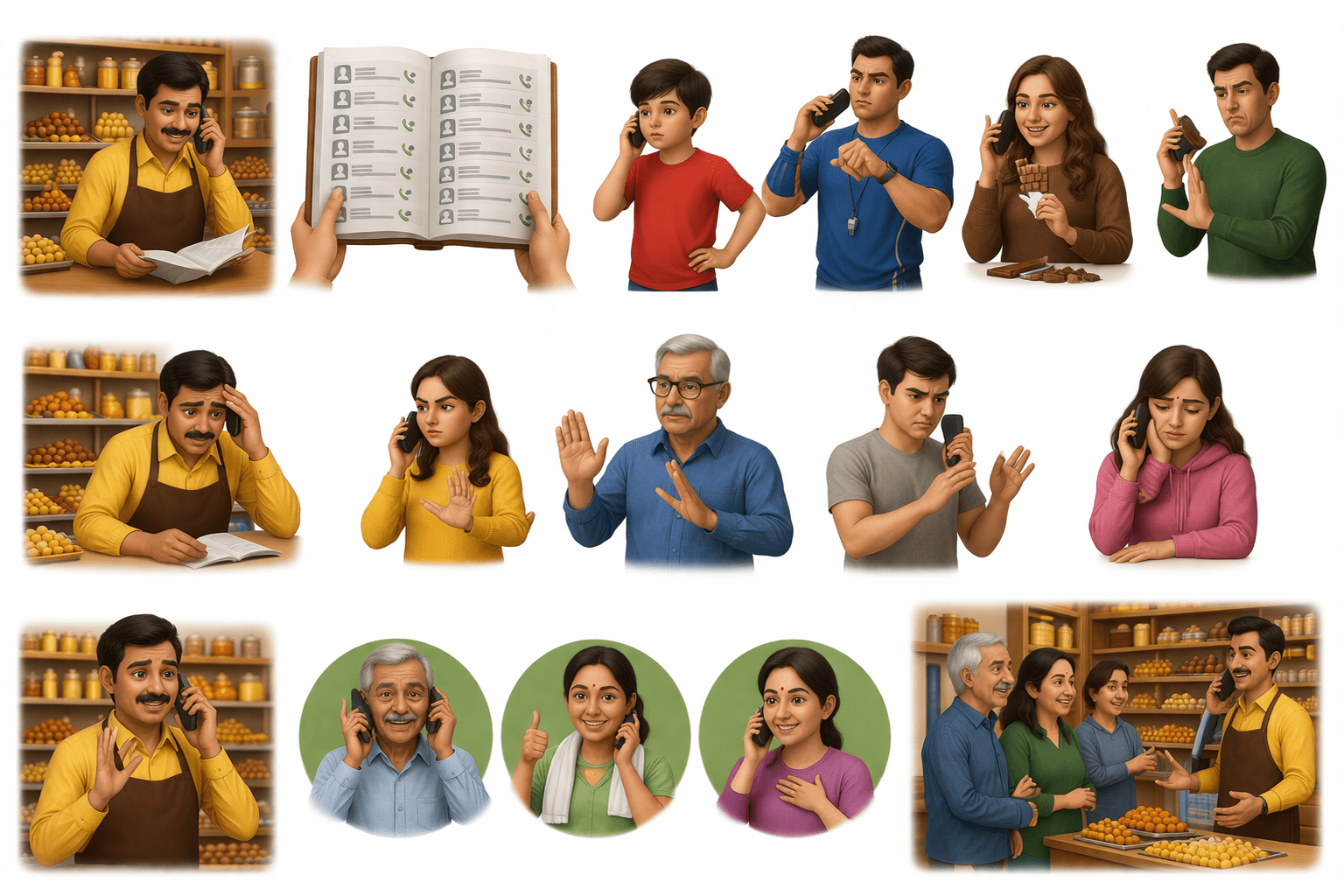
Scenario 1: No Targeting
He calls everyone in the list:
-
Kids
-
Gym trainers
-
People who love chocolates
-
People who hate sweets
Result:
Most people disconnect or show no interest.
Time, effort, and energy wasted.
The Story Behind Smart Targeting
Scenario 2: Smart Targeting
This time, Ravi filters his list:
-
People above 40
-
Health-conscious individuals
-
Diabetic customers
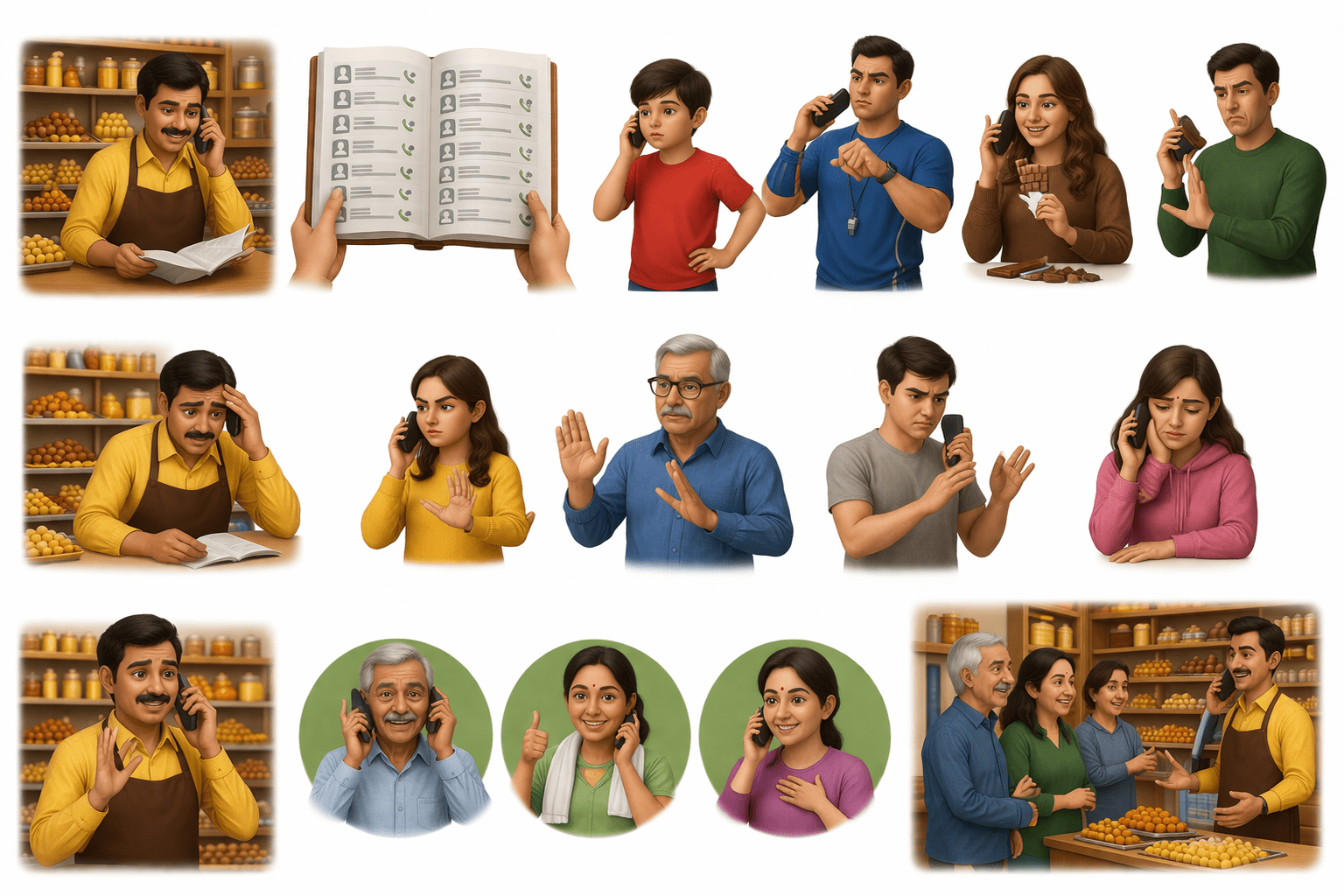
And he calls only them and says:
“Hello, we have fresh sugar-free sweets made just for you.”
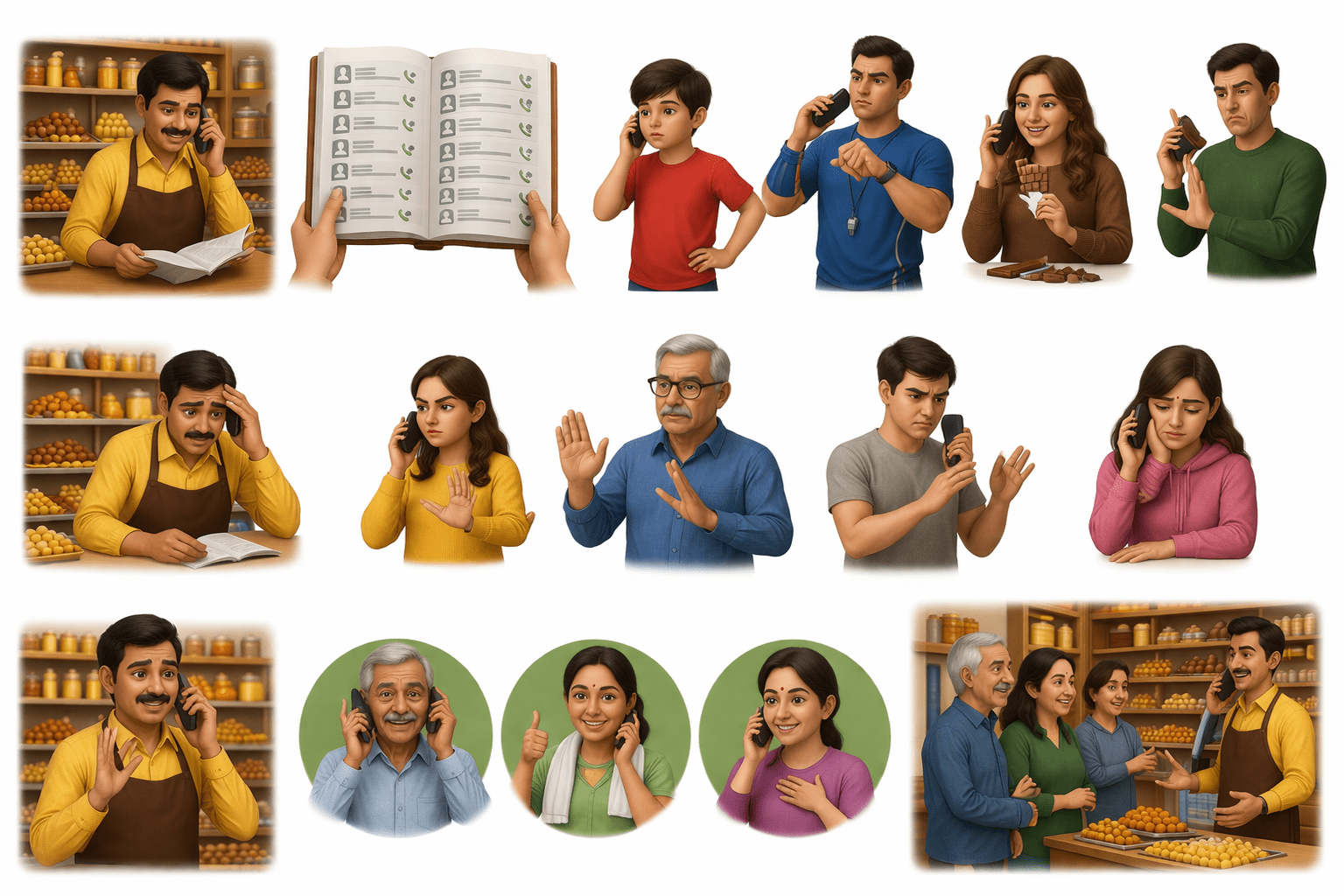
Result:
People listen, show interest, and visit the shop.
The Story Behind Smart Targeting
Concept Bridge
Just like Ravi filtered:
Age → Demographic Targeting
Health-conscious → Interest Targeting
Existing customers → Custom Audience
Similar people → Lookalike Audience
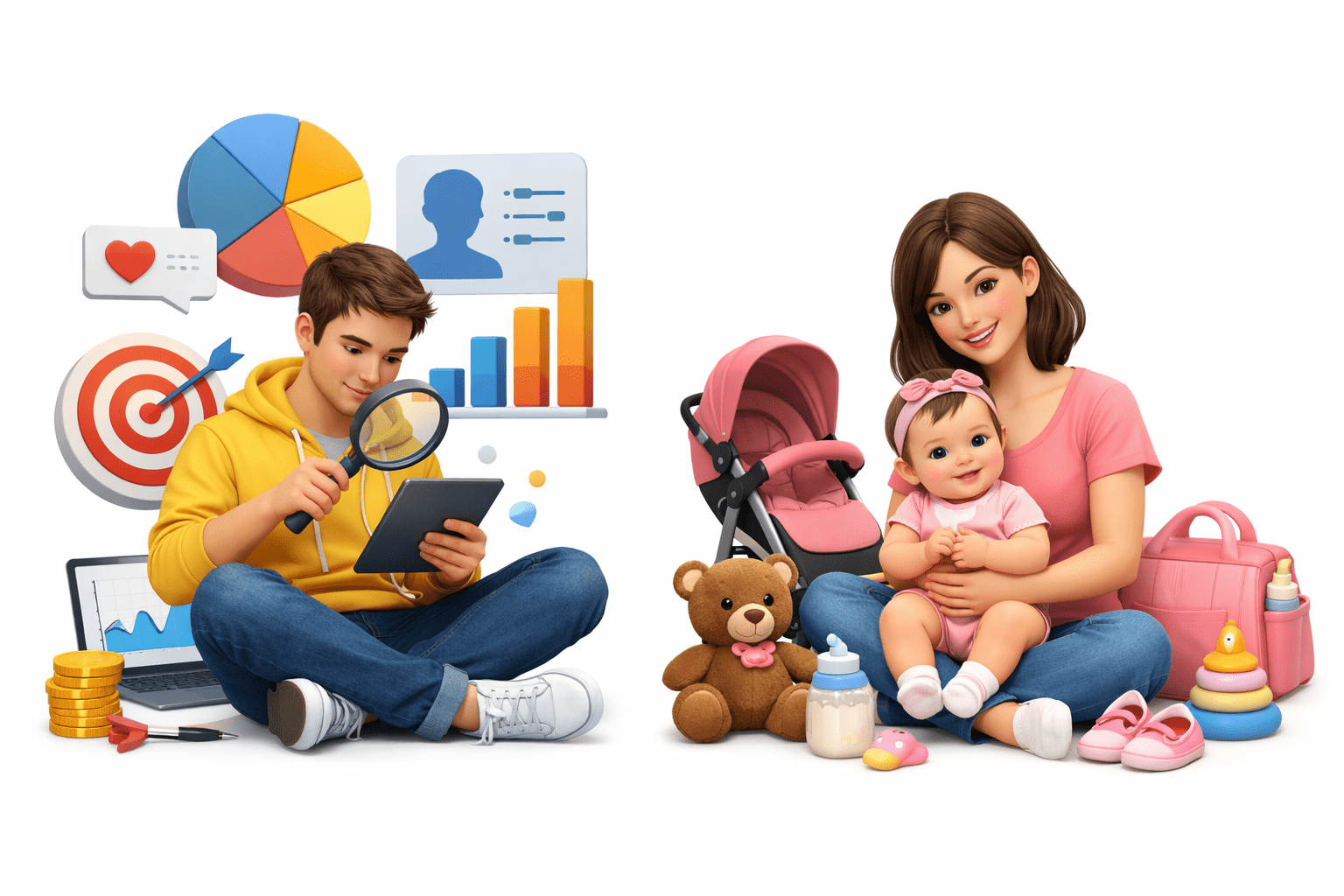
Types of Targeting: Demographics
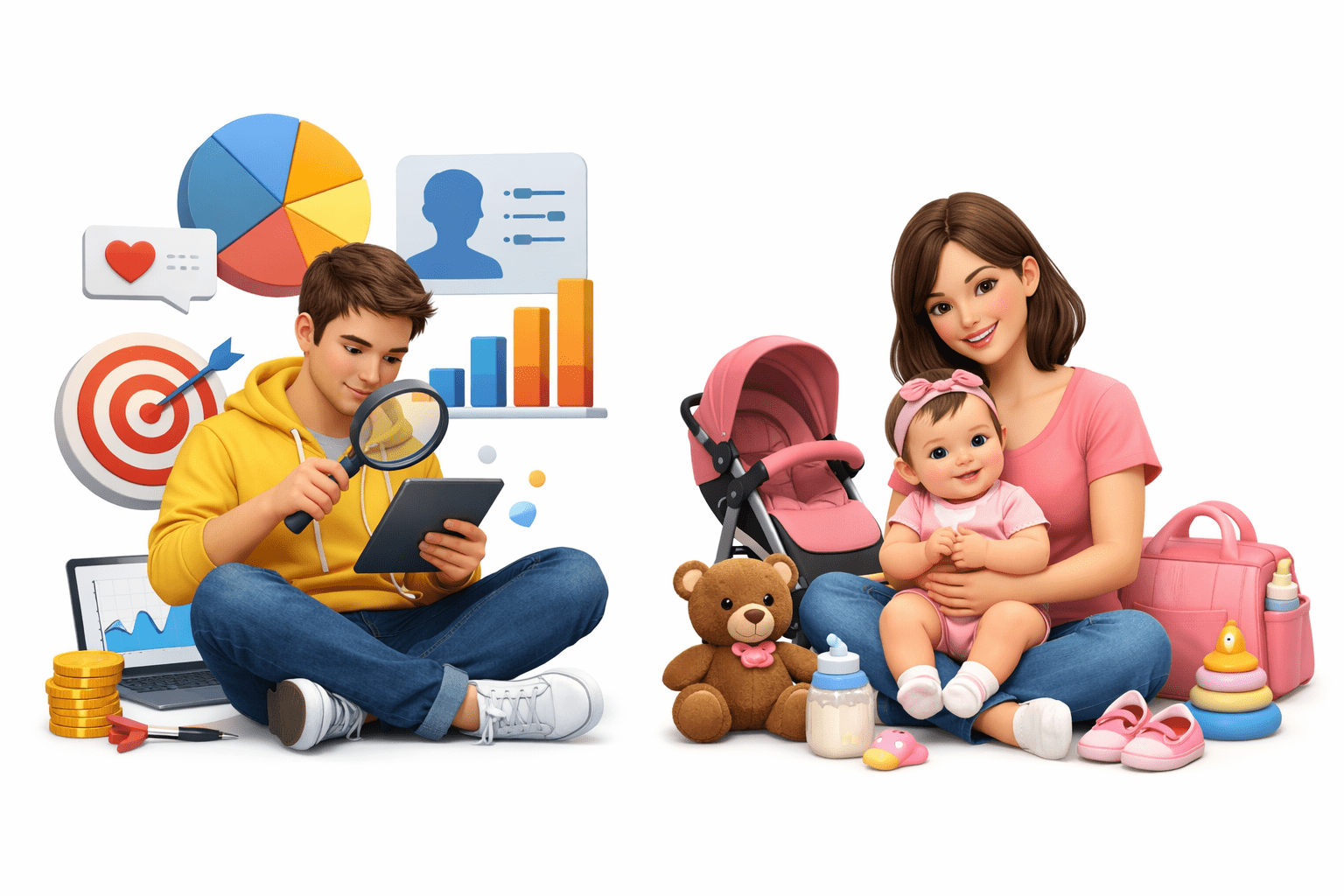
Focuses on personal traits to reach the most relevant audience and reduce wasted spend.
Types of Targeting: Demographics
Includes:
Location
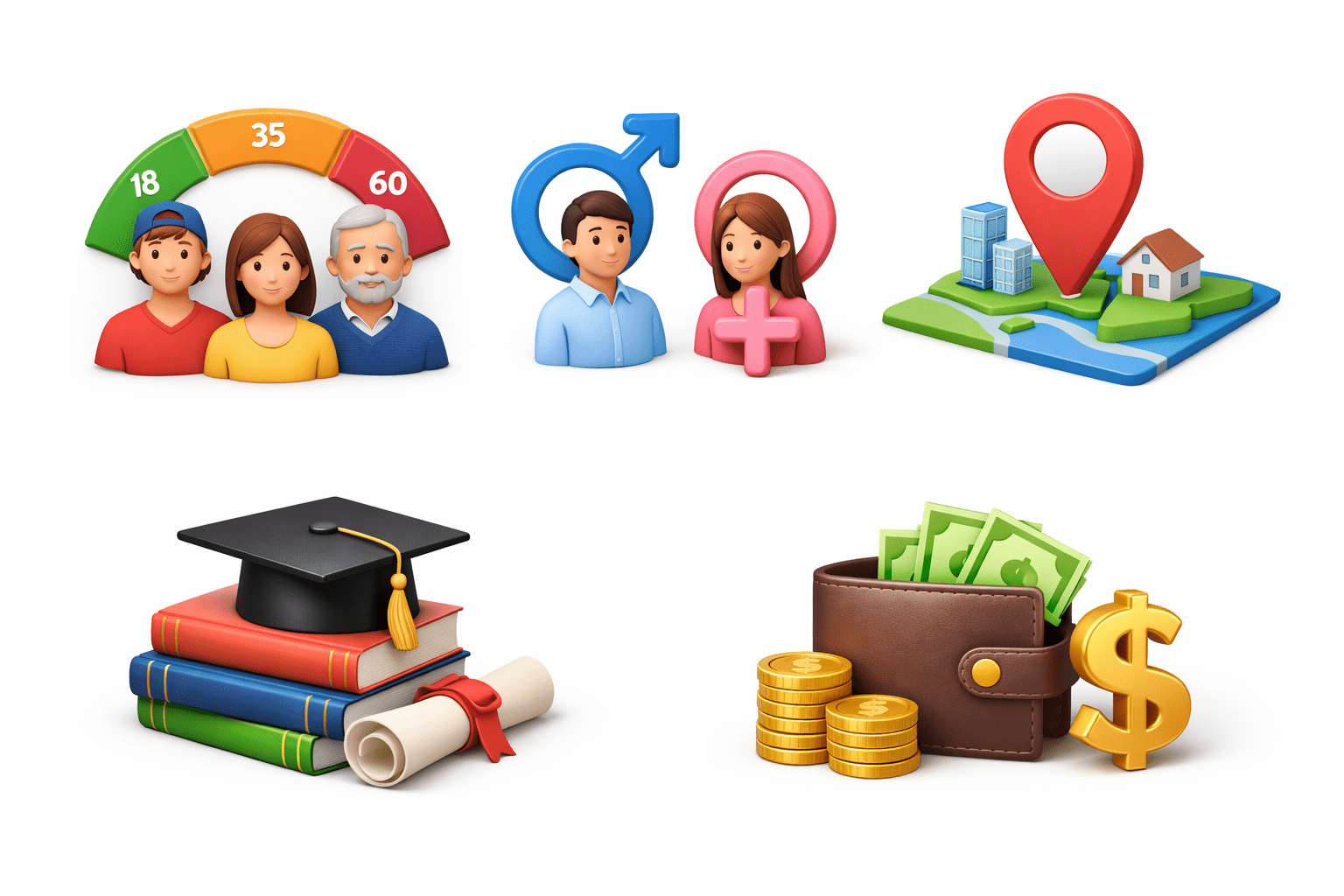
Income
Age
Gender
Education
Example:
Baby products → Women (25–35, metro cities)
Behavioral Targeting
Targets users based on their online actions and intent.
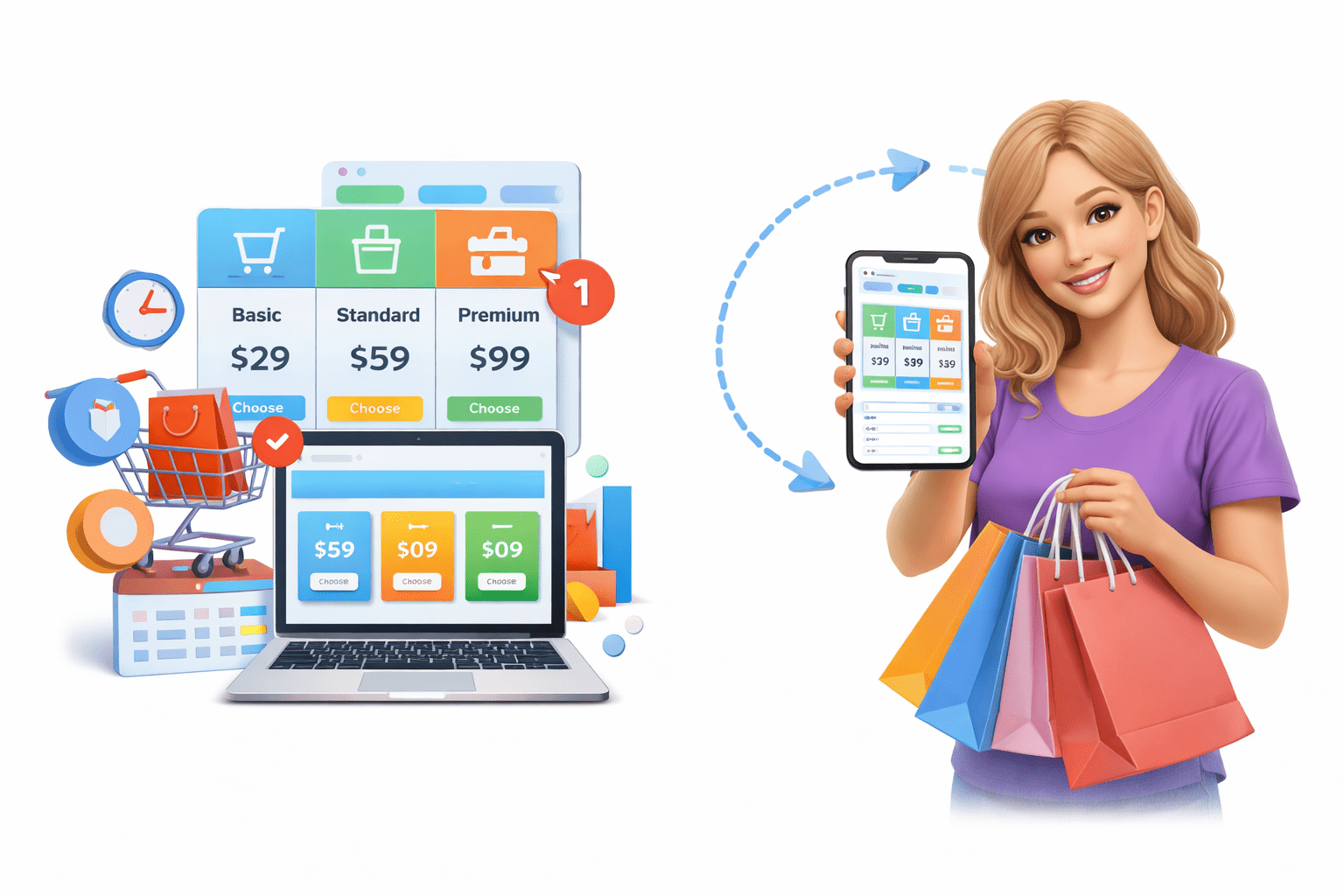
Behavioral Targeting
Based on:
Example:
Retarget users who visited pricing page
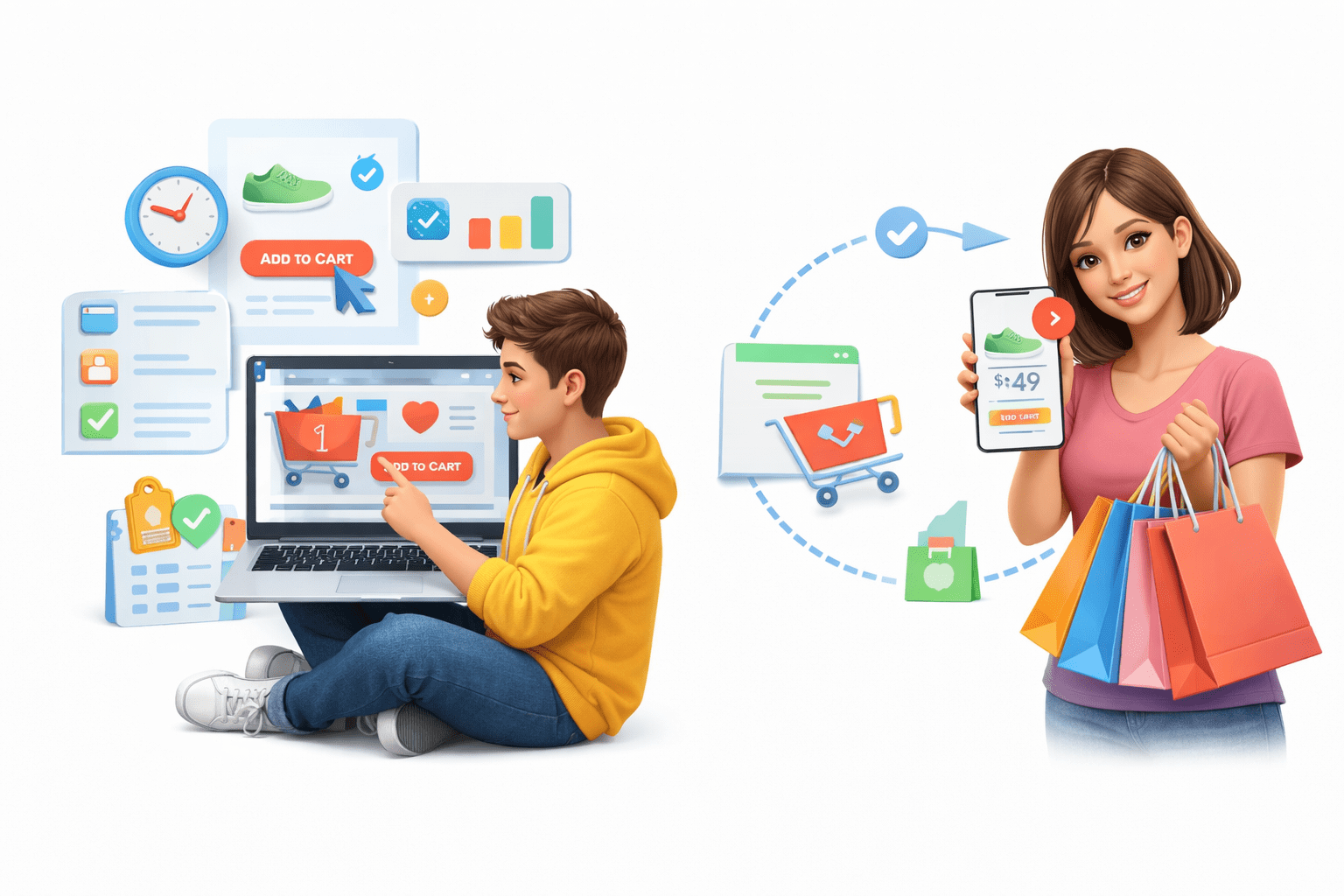
Website visits
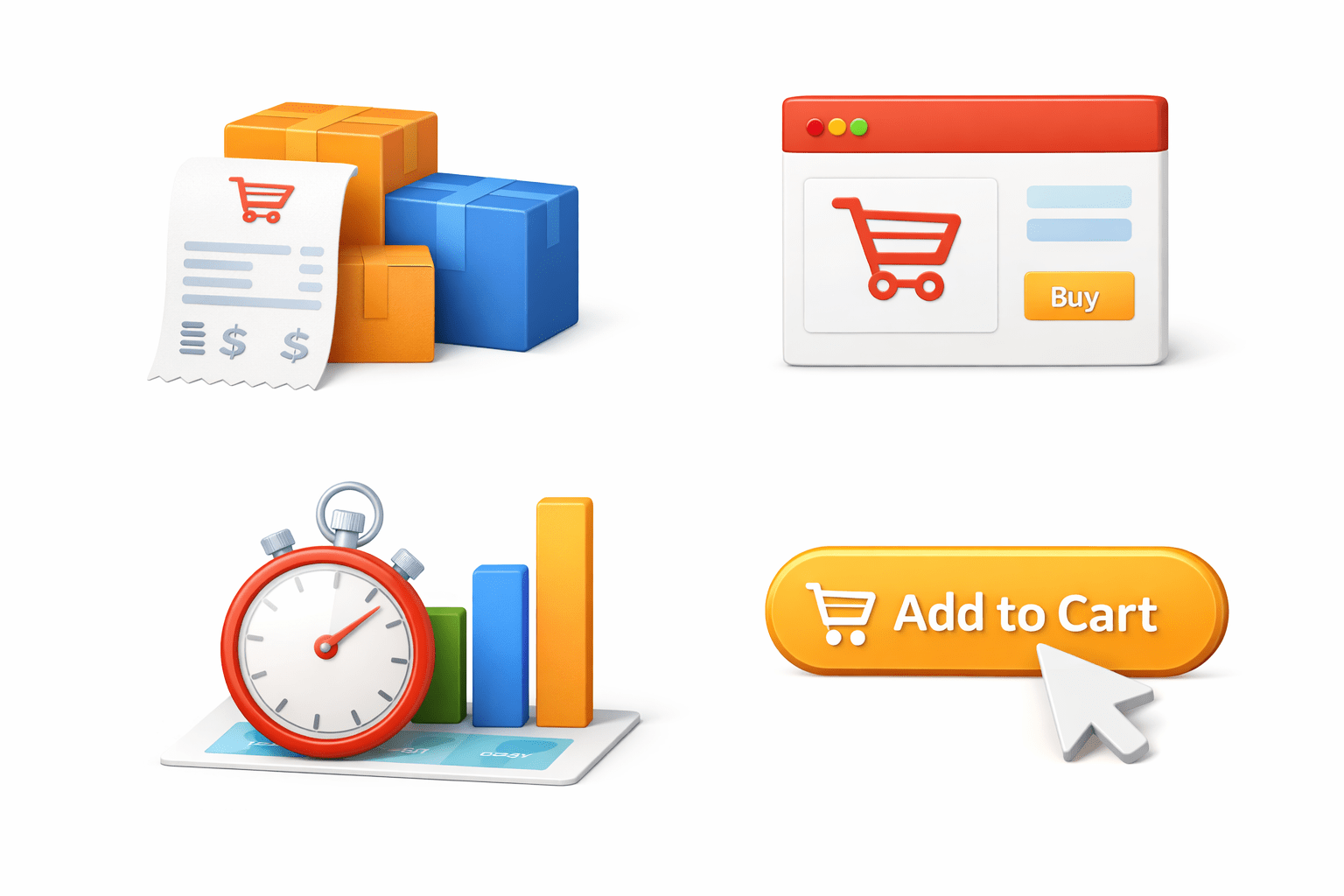
Time spent
Clicks / Add to cart
Purchase history
Interest-Based Targeting
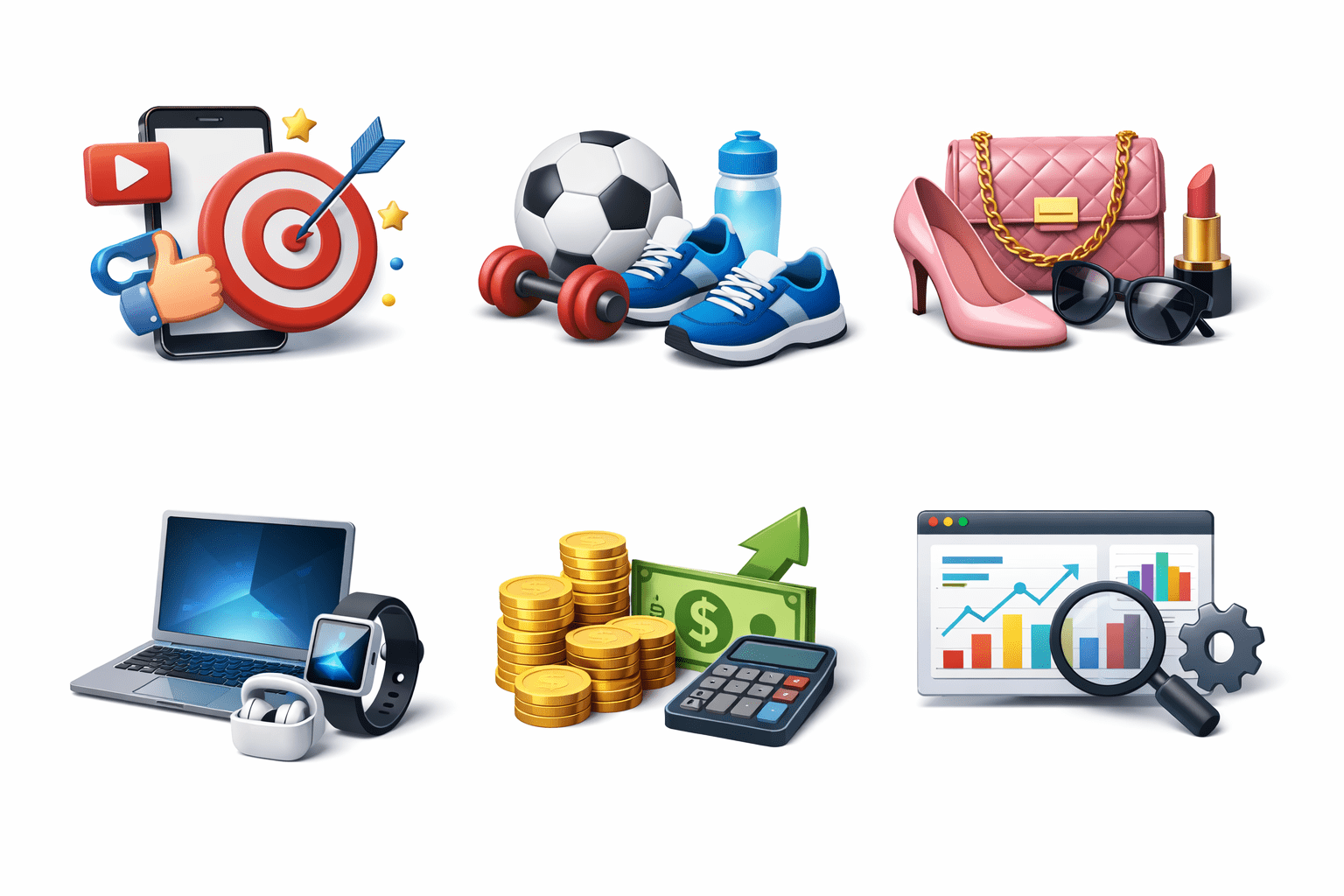
Reaches users based on what they like and engage with.
Interest-Based Targeting
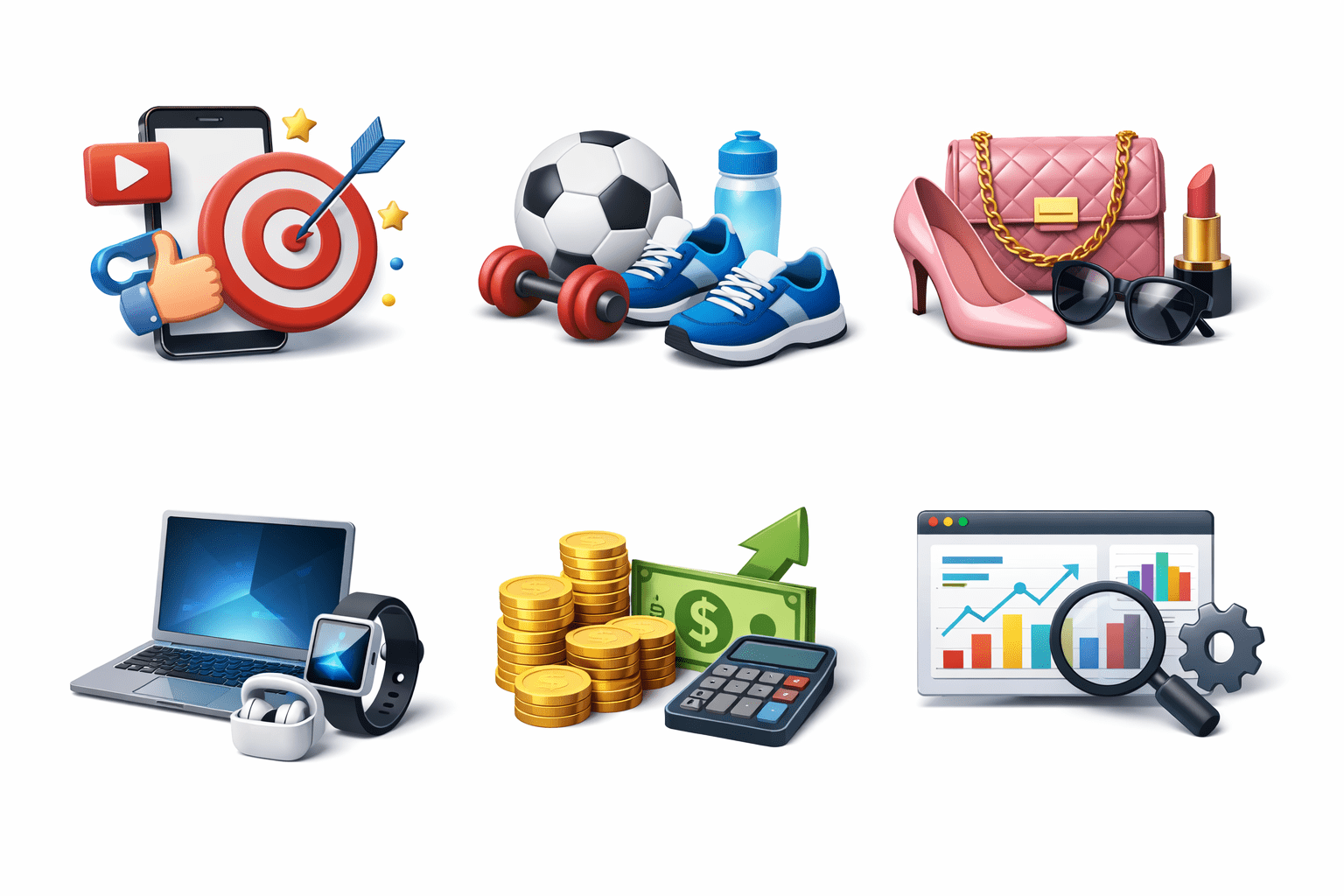
Categories:
Fashion
Finance
Tech
Sports / Fitness
Platforms provide detailed interest data for better targeting
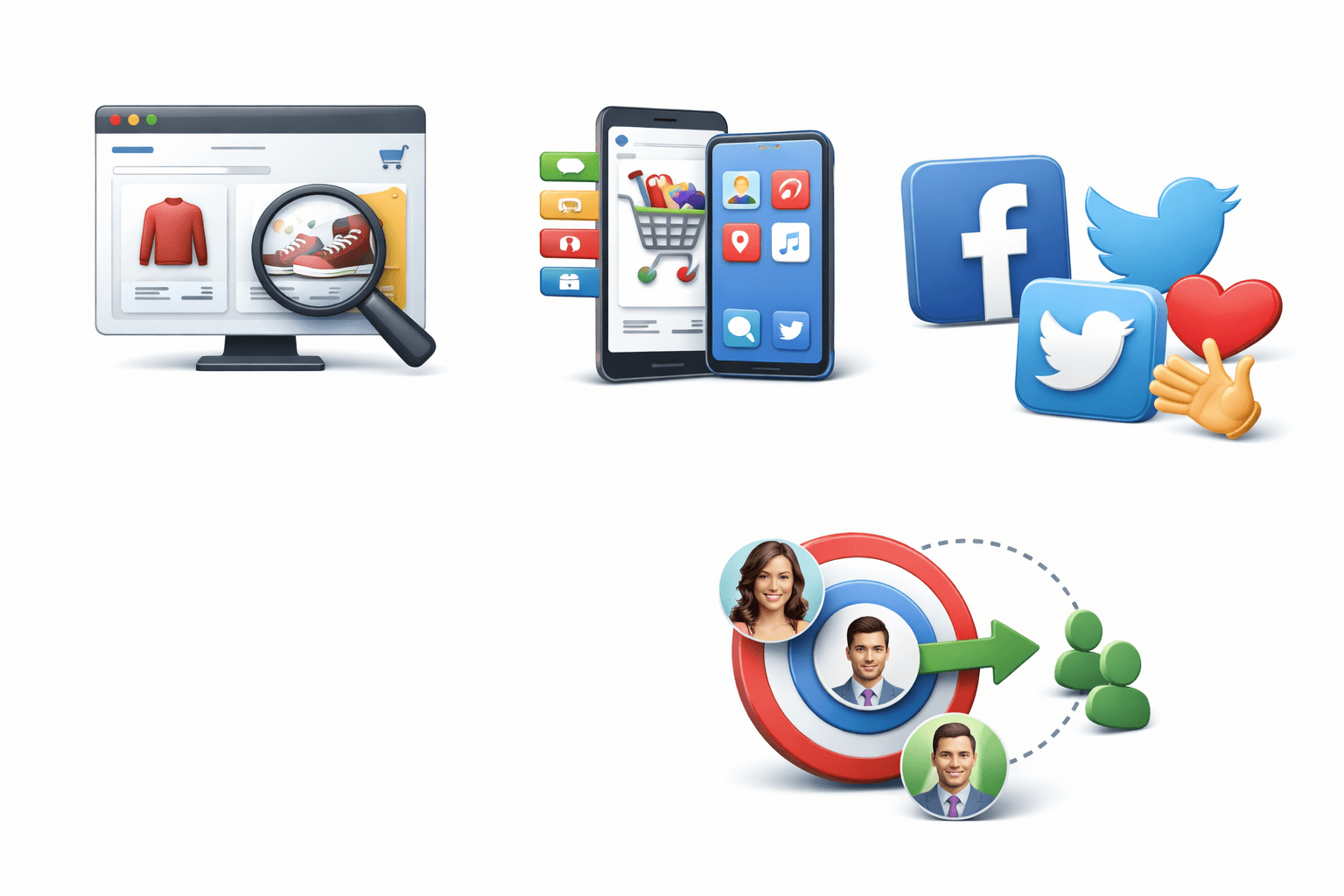
Custom Audiences
Targets people who already know your brand → more precise results
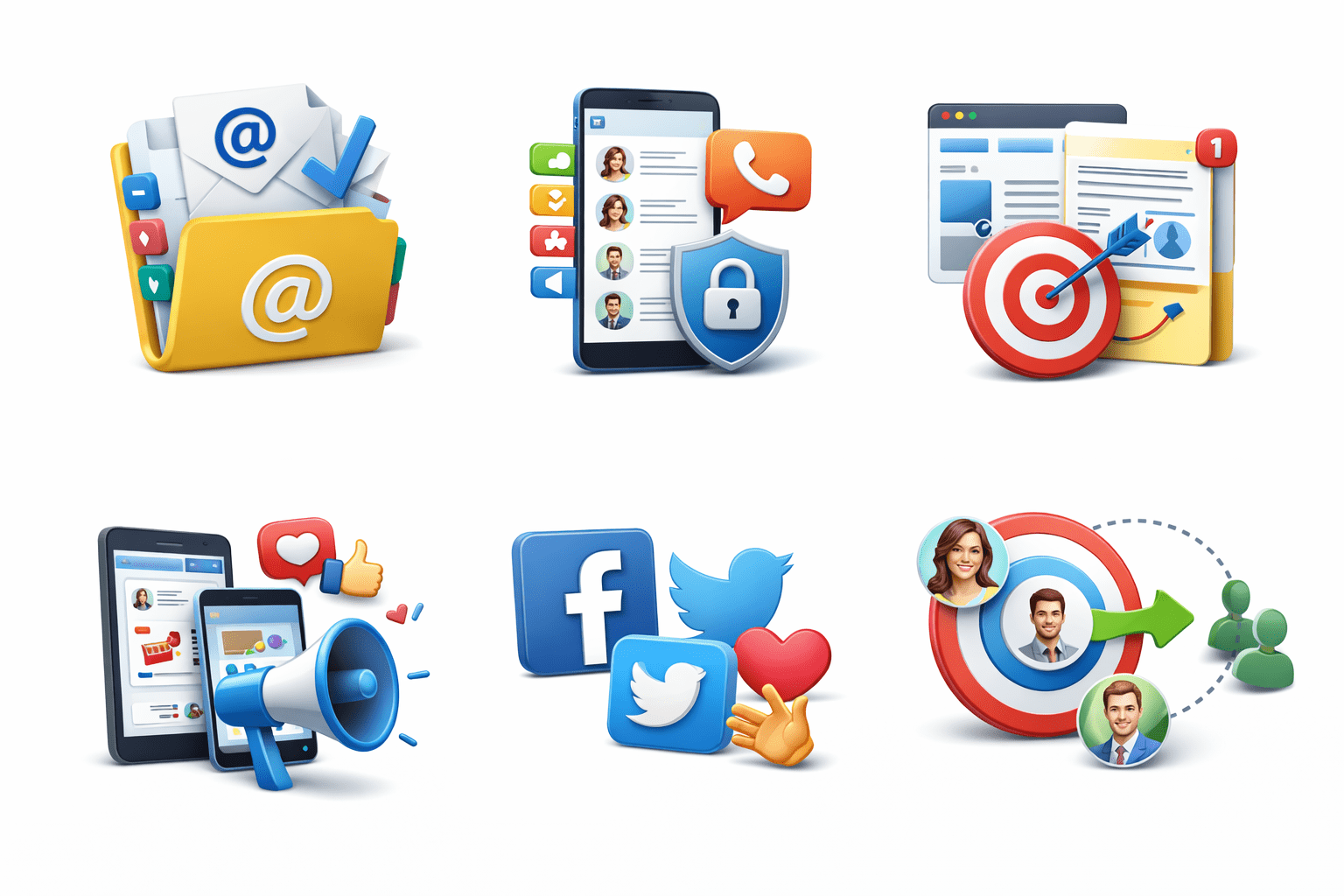
Custom Audiences
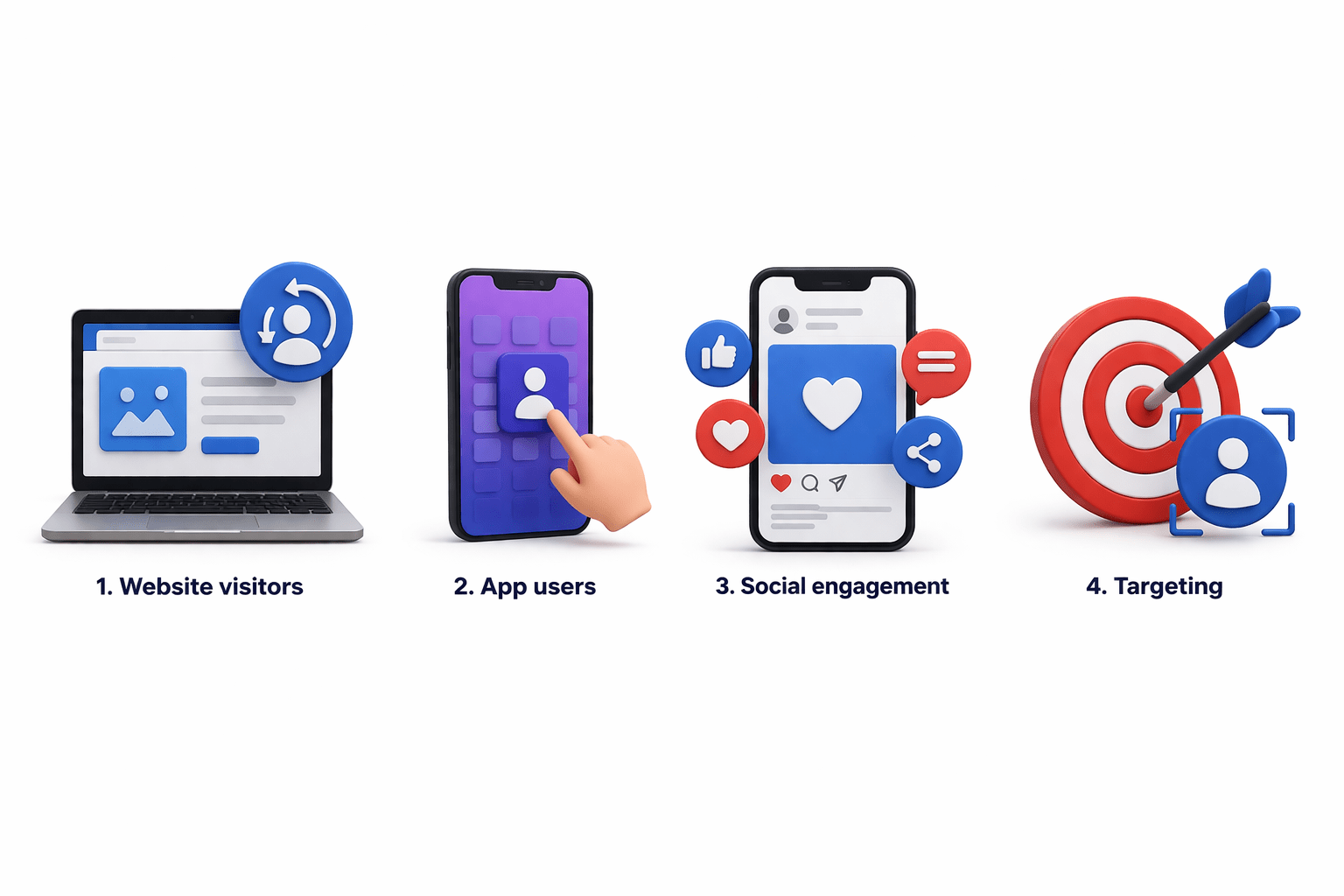
Sources:
Best for retargeting + base for lookalikes
Email list
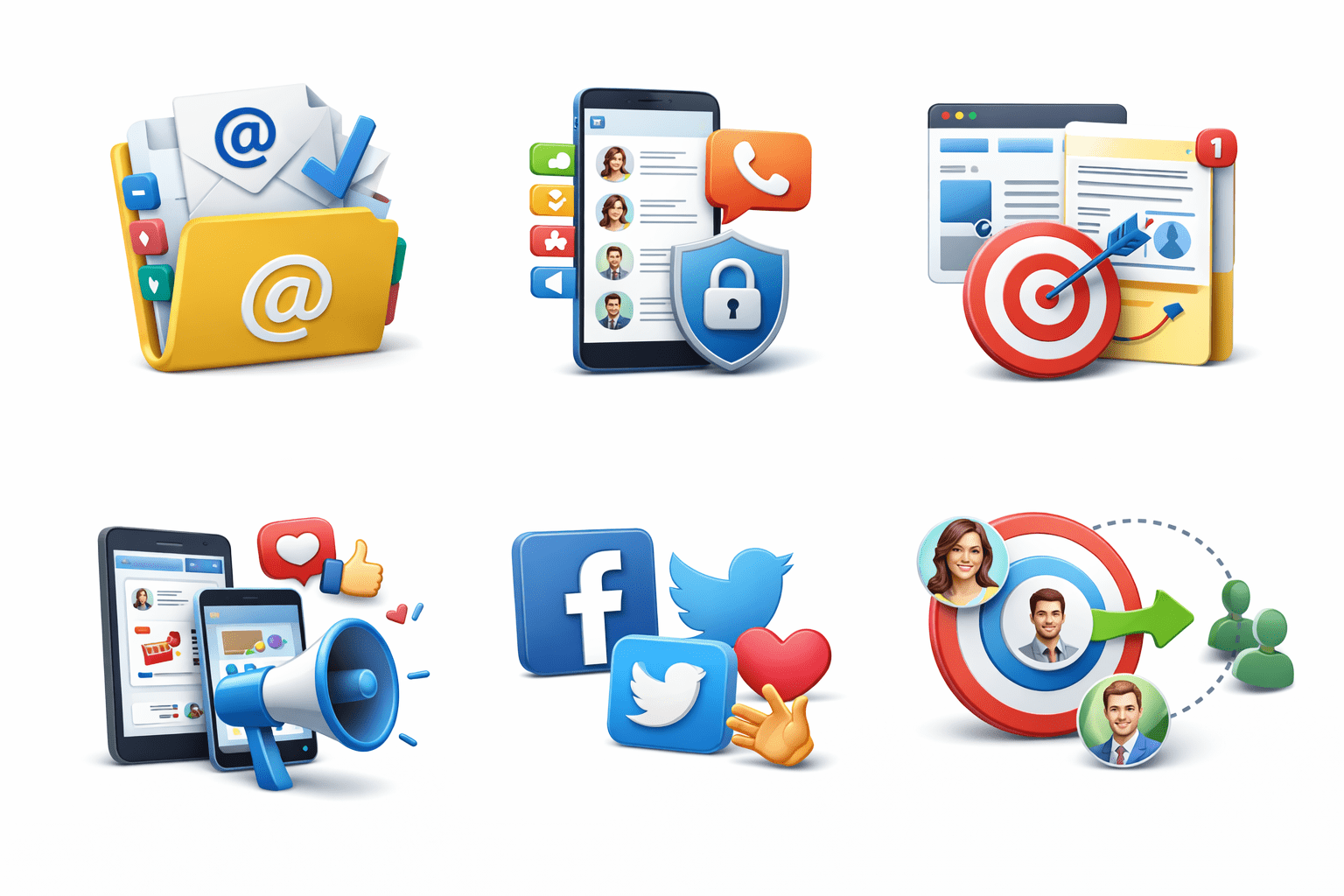
App users
Website visitors
Phone data
Social engagement
Lookalike Audiences
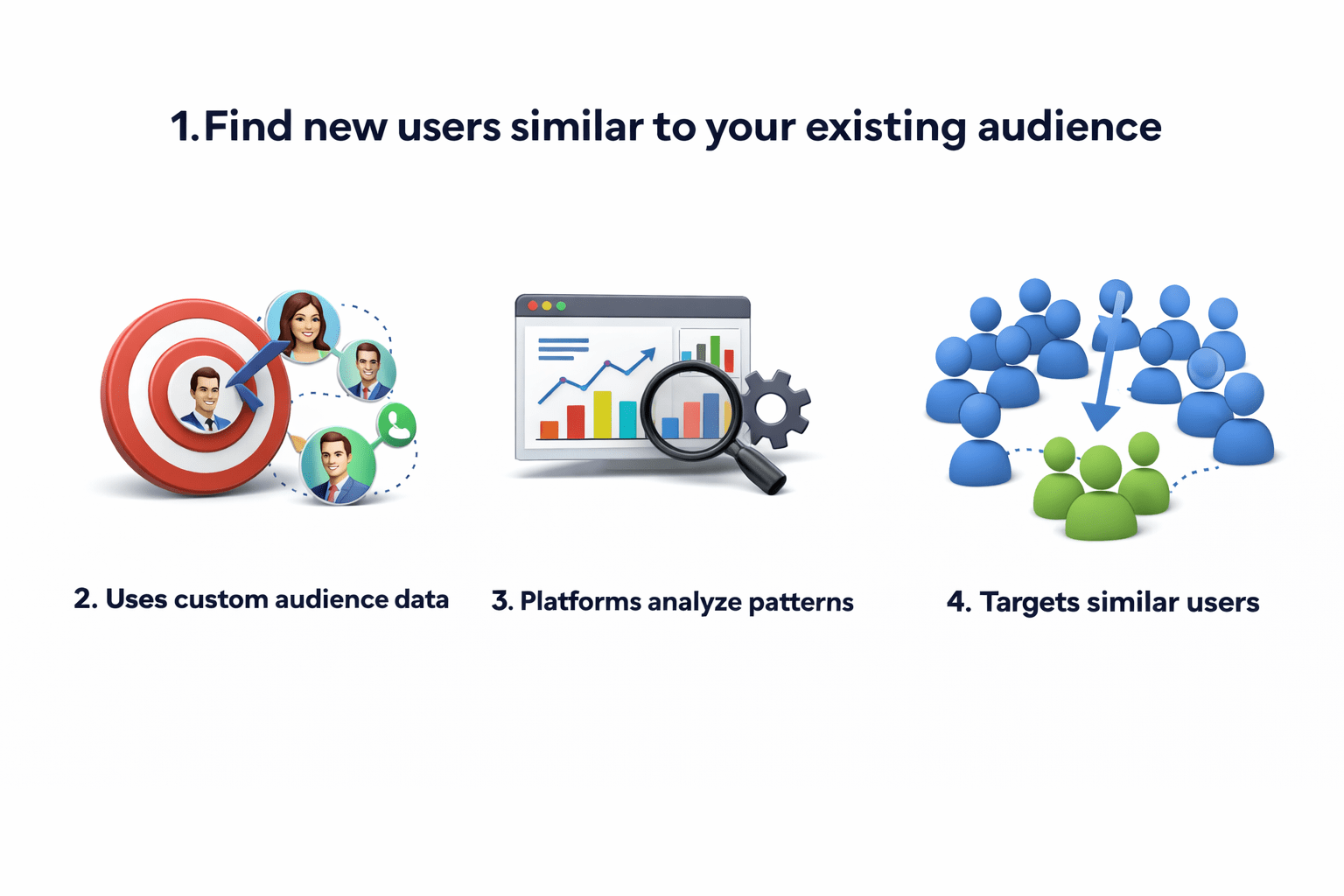
How it works:
Find new users similar to your existing audience
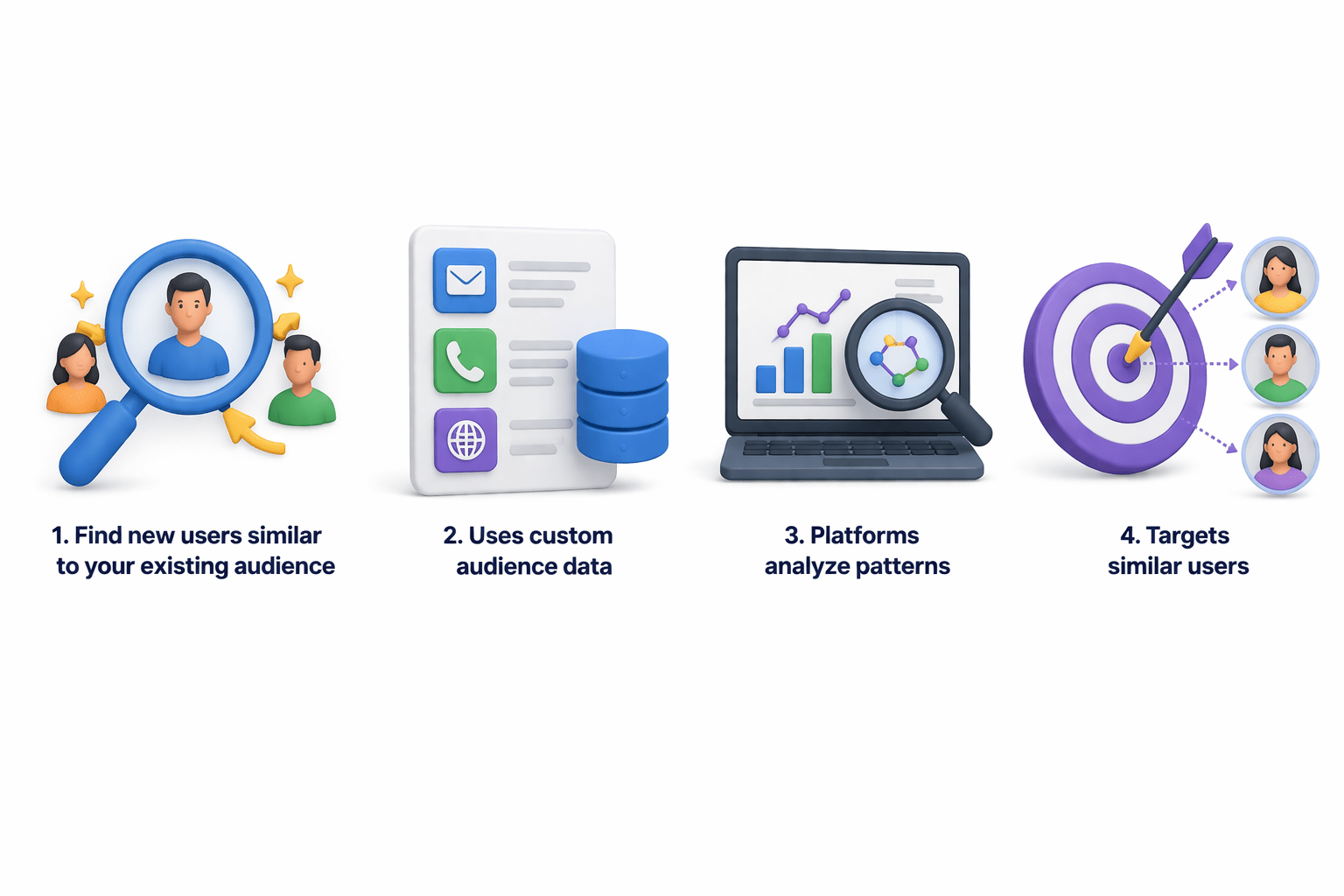
Uses custom audience data

Platforms analyze patterns
Targets similar users
Lookalike Audiences
Benefits:
Expand reach
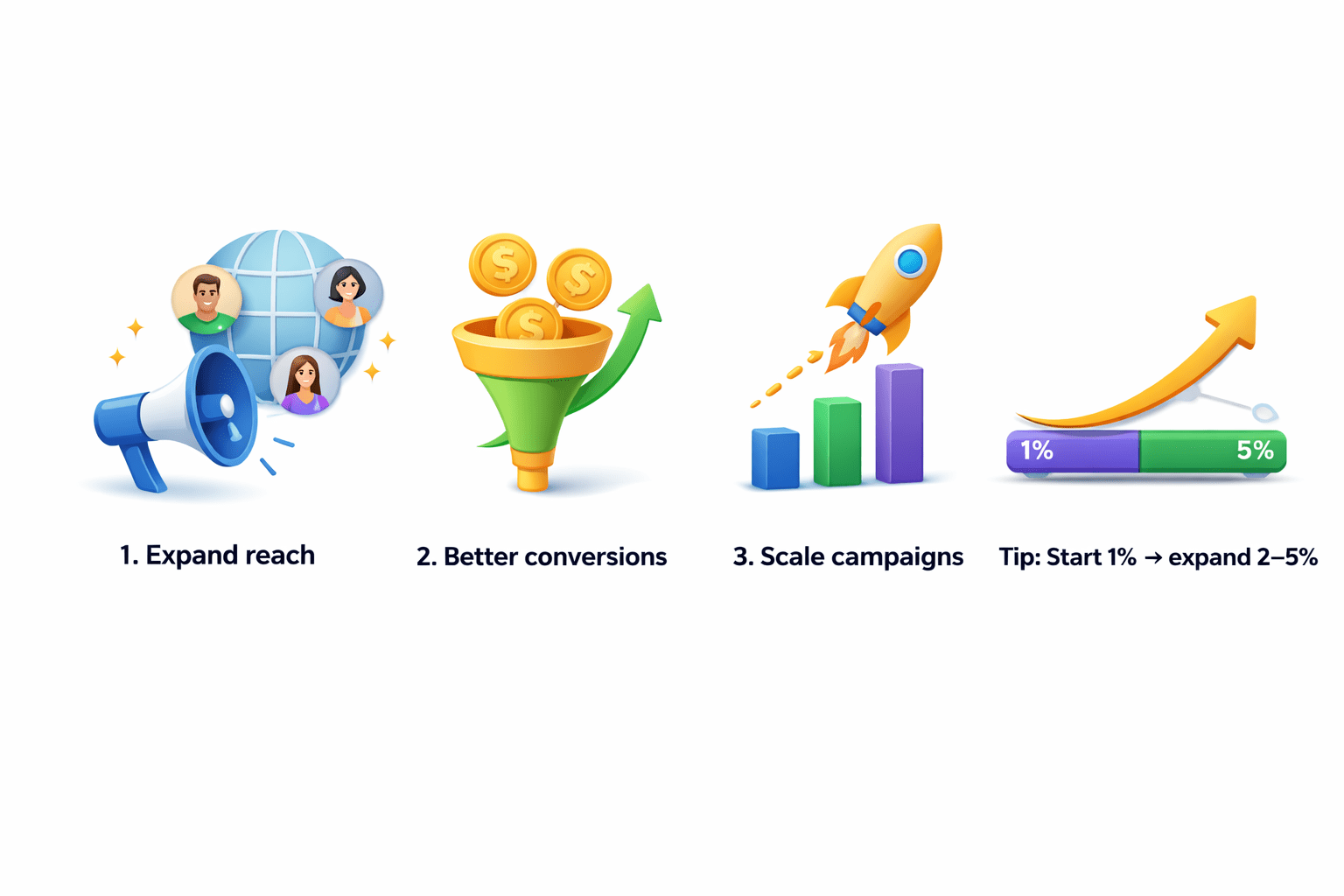

Better conversions
Scale campaigns
Tip:
Start 1% → expand 2–5%
Platform Targeting Strength
Choose platform based on goal.

Facebook/Instagram → Interests, behavior, lookalikes
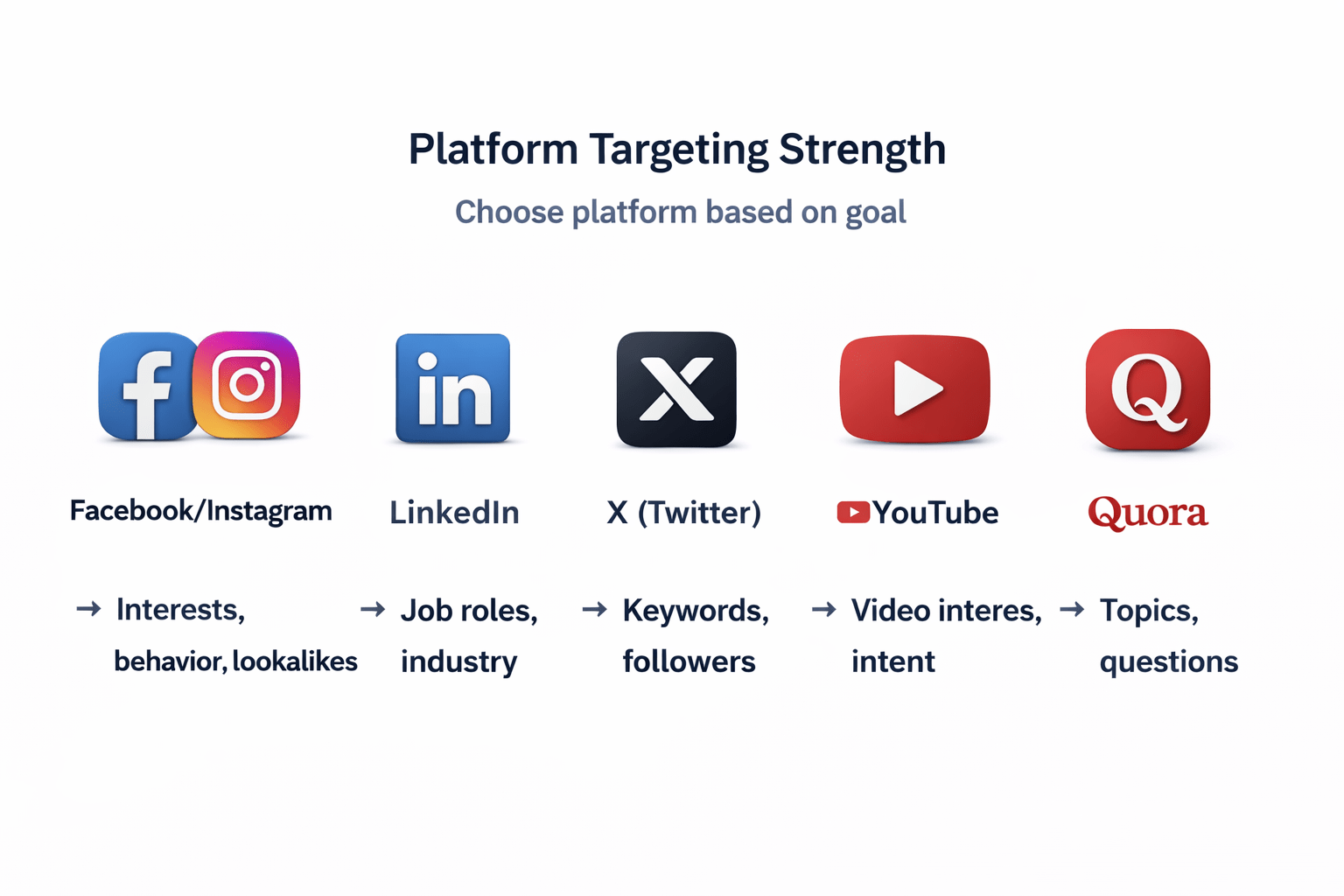
LinkedIn → Job roles, industry
Platform Targeting Strength
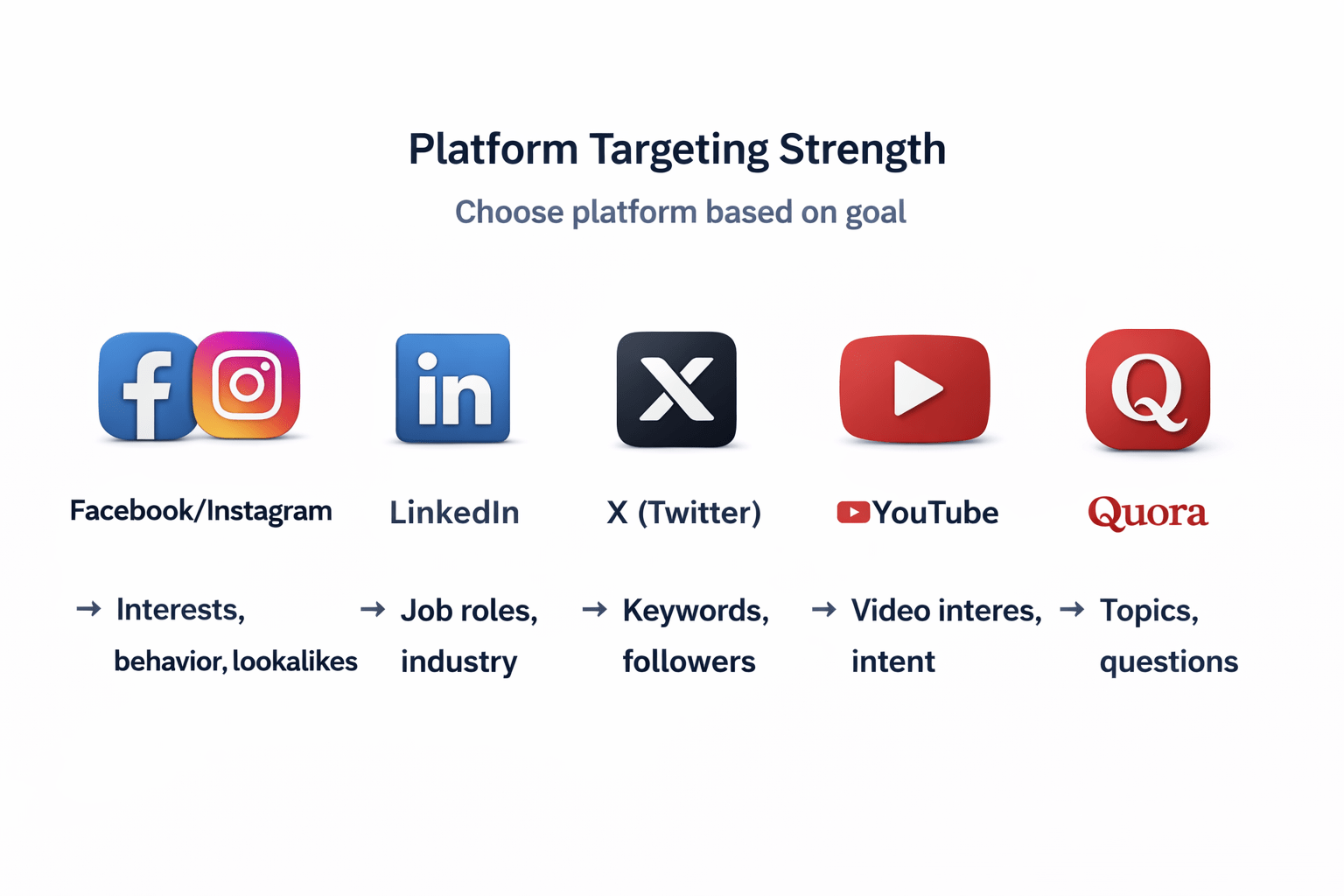
X (Twitter) → Keywords, followers

YouTube → Video interests, intent
Quora → Topics, questions
A/B Testing (Audience Testing)
Compare audiences to find what works best.
Steps:
Same creative, different audience
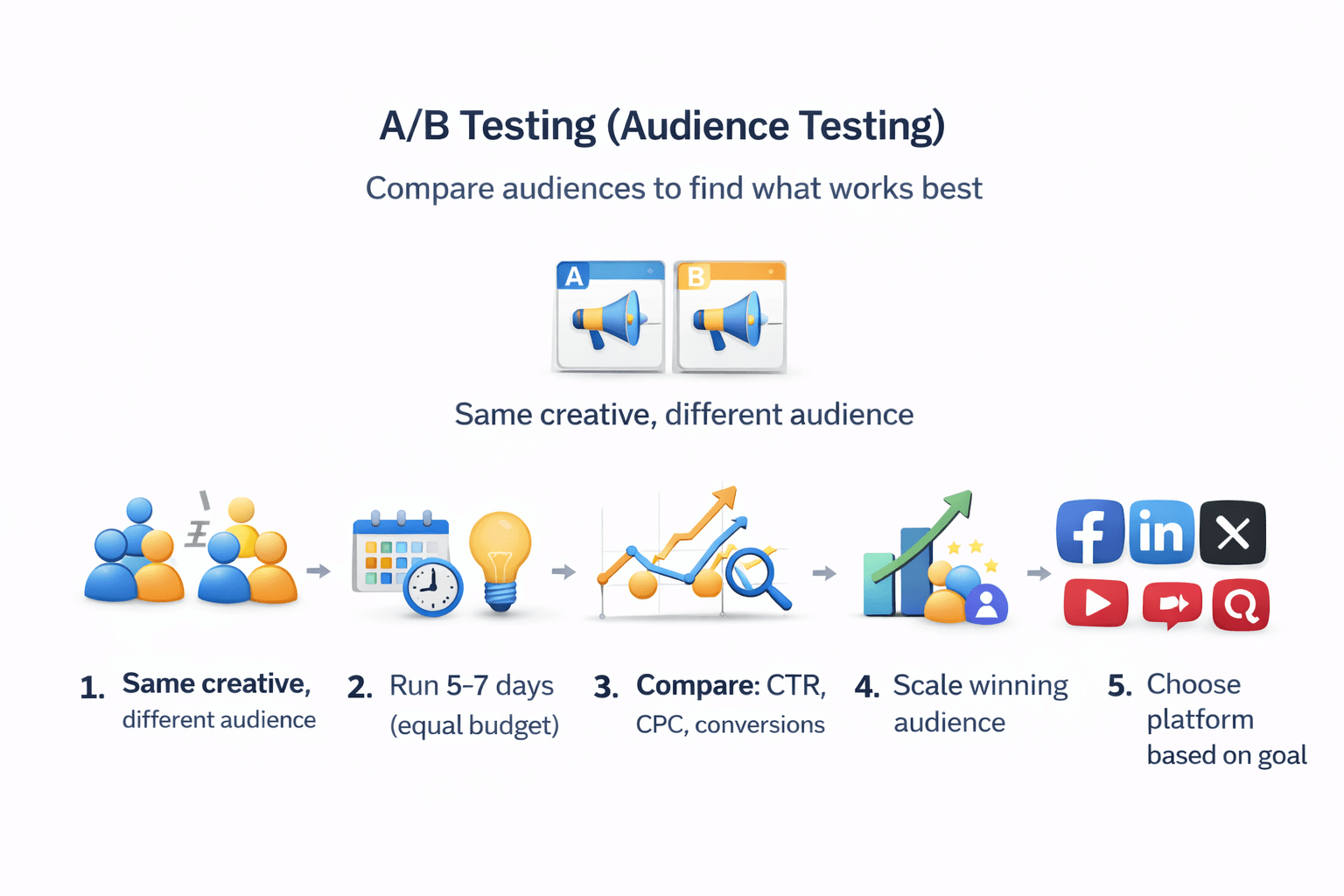

Run 5–7 days (equal budget)
A/B Testing (Audience Testing)
Compare: CTR, CPC, conversions
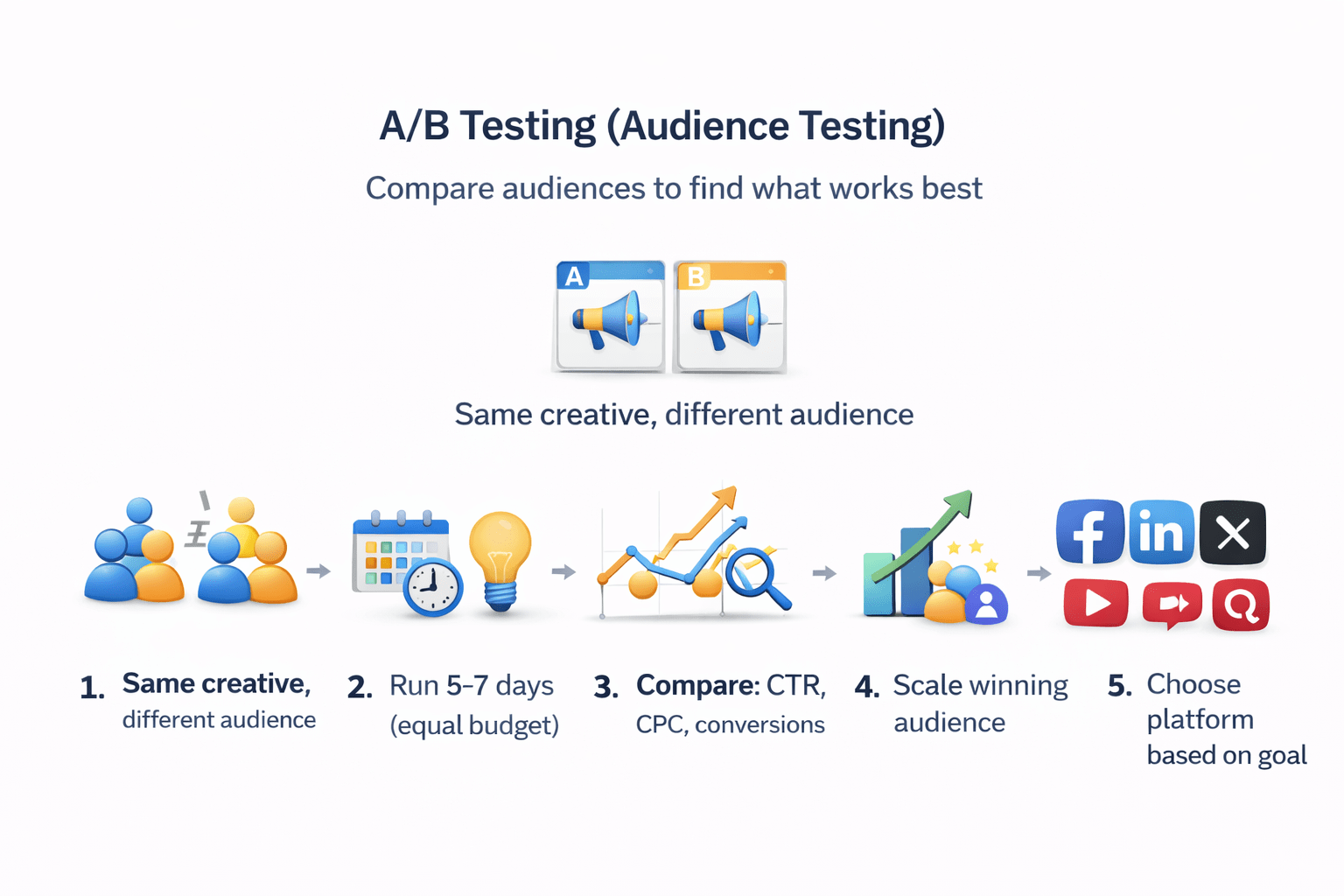

Scale winning audience
Using Organic Data
Use existing data to improve paid ads
Engaged users → Retarget / lookalikes

Top posts → Identify interests
Using Organic Data
Data-driven targeting = better results
Website traffic → Retarget offers
Email list → Reach active users
Summary
5
Leverage data and insights to optimize campaign performance
4
Test audiences using A/B testing for better results
3
Choose platforms based on targeting strengths and goals
2
Use custom and lookalike audiences to scale campaigns
1
Understand key targeting types for effective segmentation
Quiz
Which of the following is an example of demographic targeting?
A. Purchase behavior
B. Website visits
C. Age and gender
D. Interests

Quiz-Answer
Which of the following is an example of demographic targeting?
A. Purchase behavior
B. Website visits
C. Age and gender
D. Interests