Network Security and
Protection


Proxy / Proxy Server

Learning Outcome
4
Identify the steps in a digital forensic investigation
3
Recognize common digital forensic tools and their uses
2
Describe the importance of digital forensics
1
Define digital forensics and explain its purpose
Topic Name-Recall(Slide3)
Hook/Story/Analogy(Slide 4)
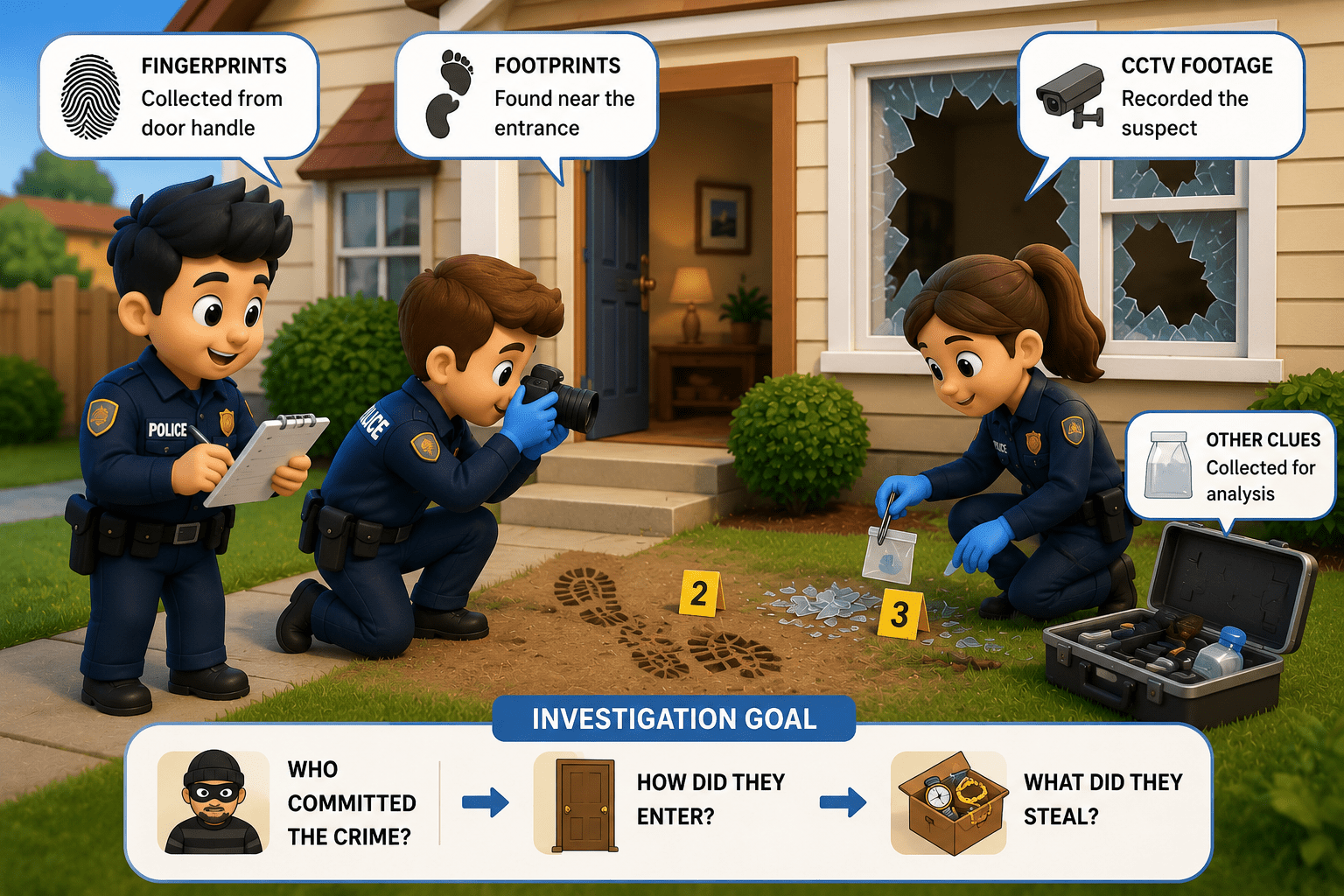
Imagine Someone's house has been broken into.
Police officers collect fingerprints, footprints, CCTV footage, and other clues to find out who committed the crime, how they entered, and what they stole.
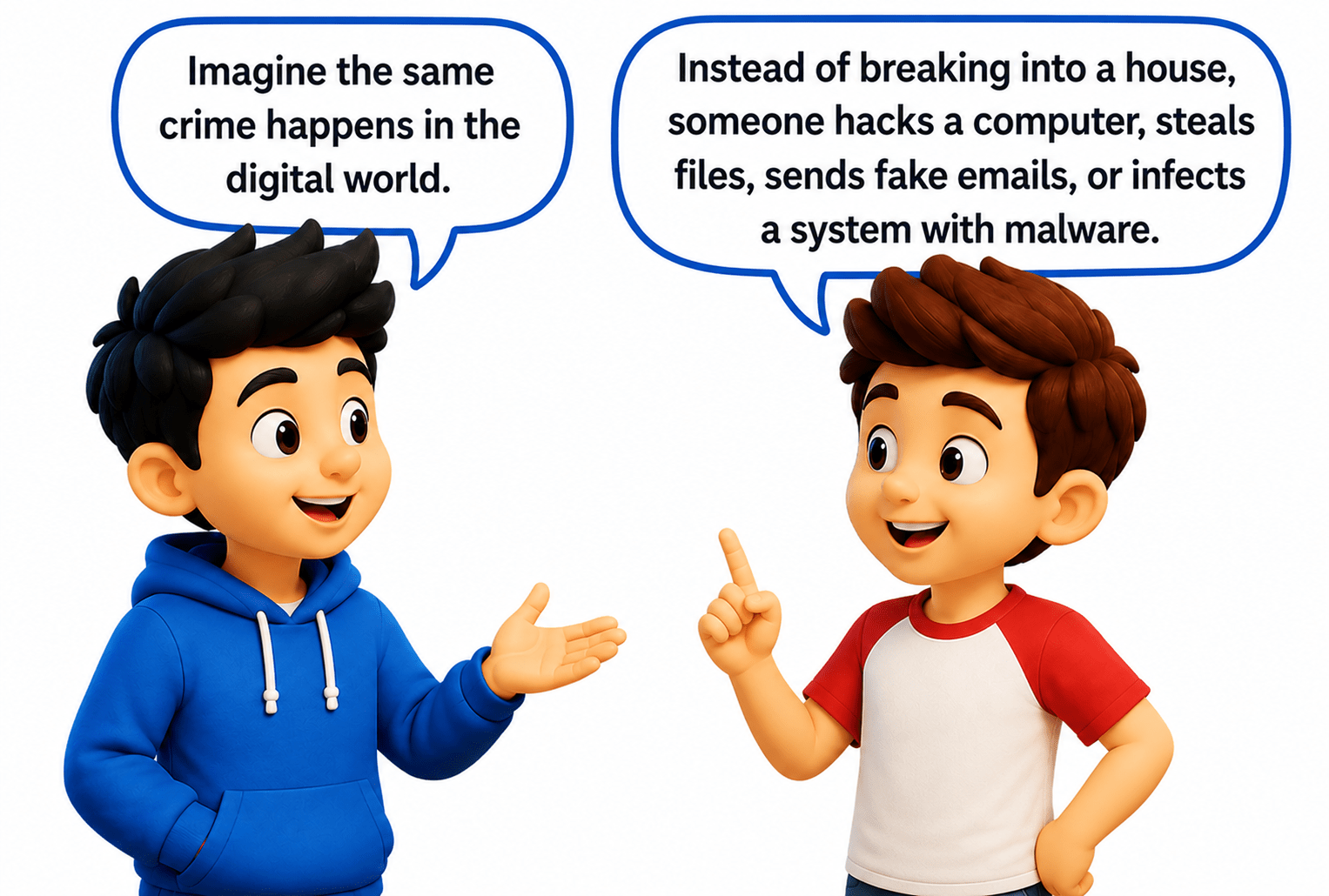
Now imagine the same thing happens in the digital world. Instead of breaking into a house, someone hacks a computer, steals files, sends fake emails, or infects a system with malware. There may not be physical clues, but there are digital clues such as emails, login records, browser history, deleted files, and system logs.
Hook/Story/Analogy(Slide 4)
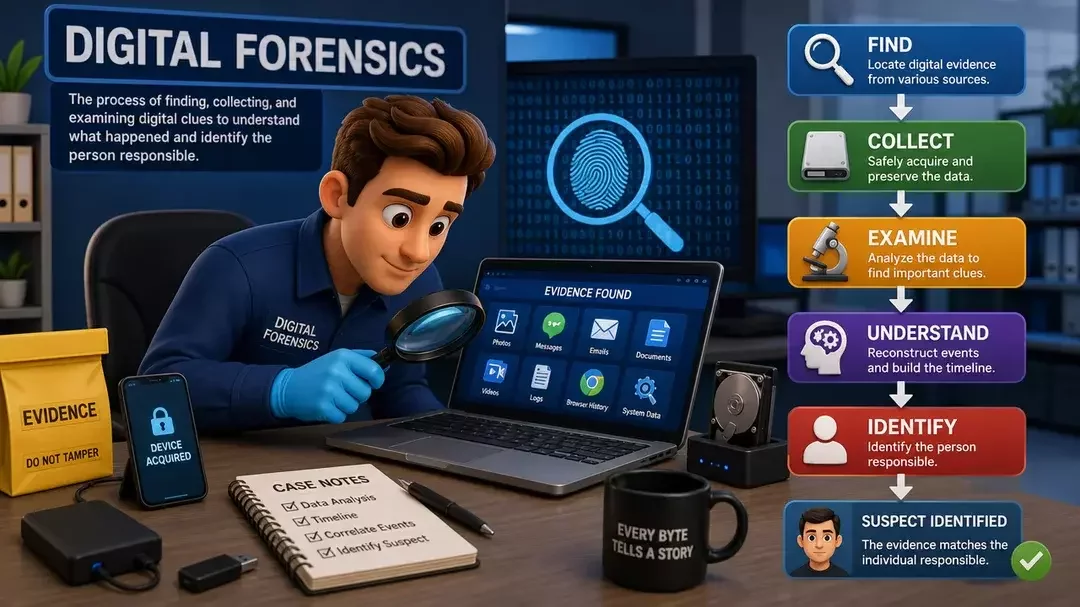
Digital Forensics is the process of finding, collecting, and examining these digital clues to understand what happened and identify the person responsible.
In simple words, Digital Forensics is like detective work for computers, mobile phones, and other digital devices. Instead of searching for fingerprints, investigators search for digital evidence.
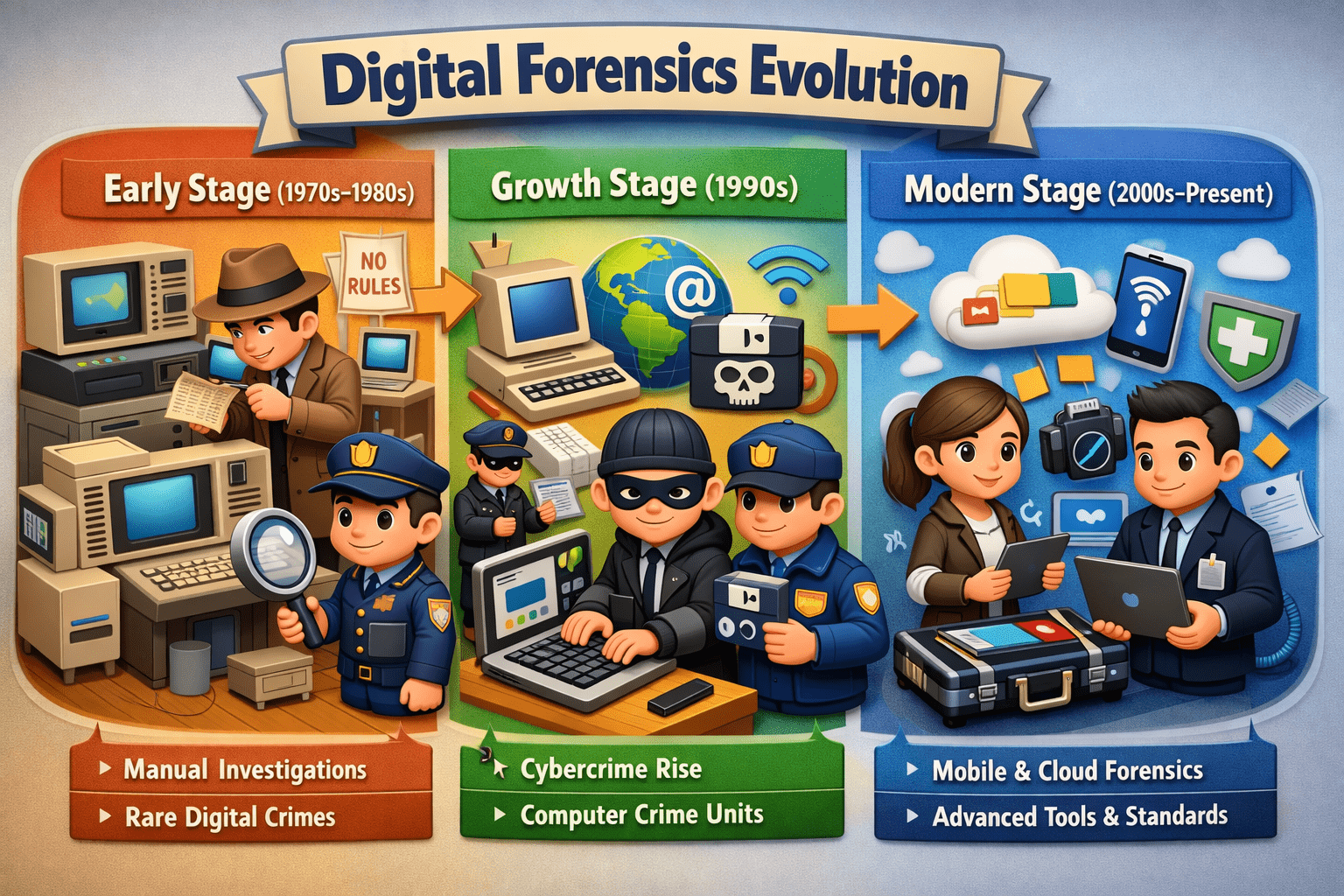
Evolution of Digital Forensics
Digital Forensics has evolved significantly with the rapid growth of computers, the internet, and digital technologies. As cybercrimes became more common, investigators needed specialized methods to collect, analyze, and preserve digital evidence.
Digital Forensics Investigation Process
A digital forensic investigation follows a structured process to ensure evidence remains reliable and legally acceptable.
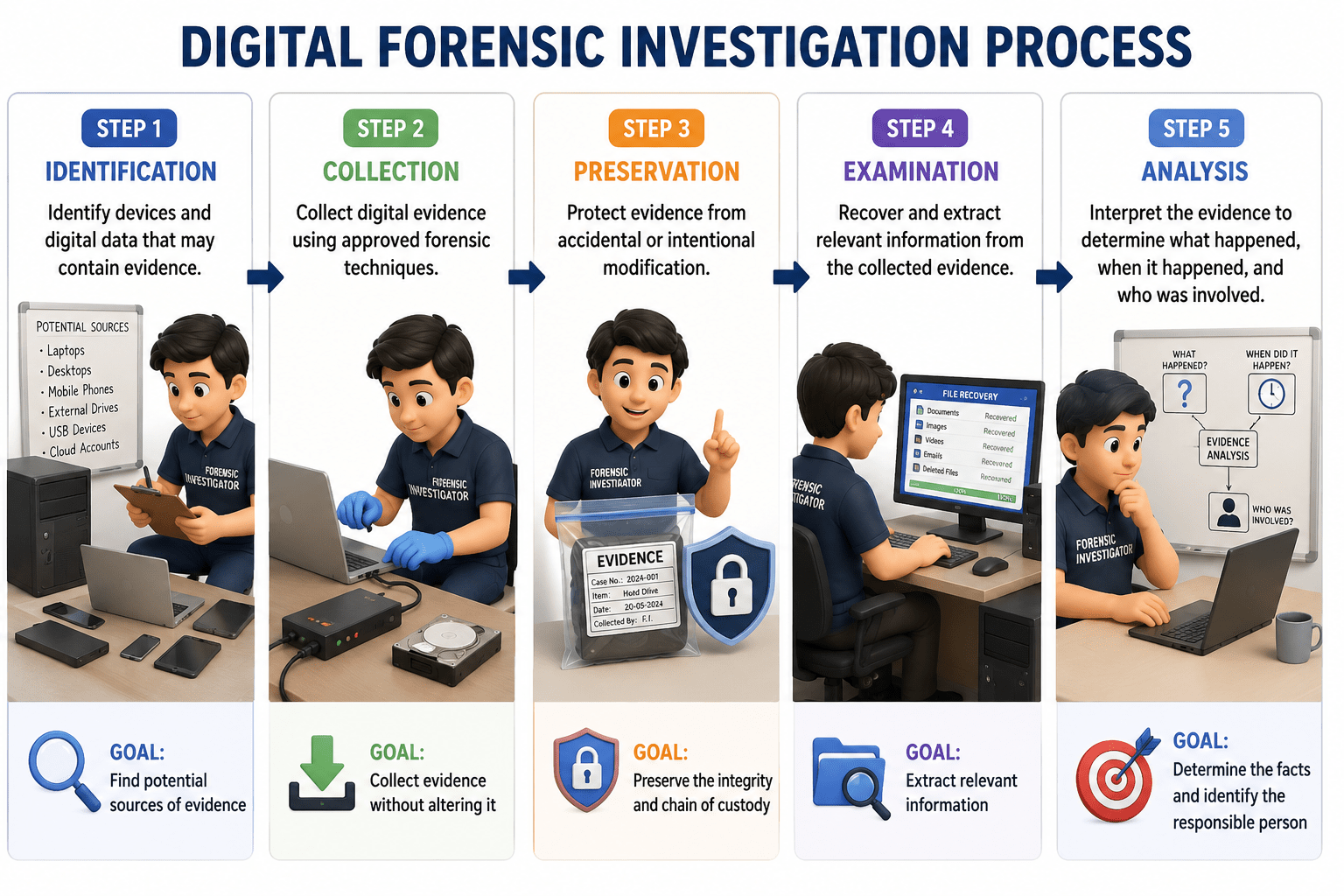

Digital Forensics Investigation Process
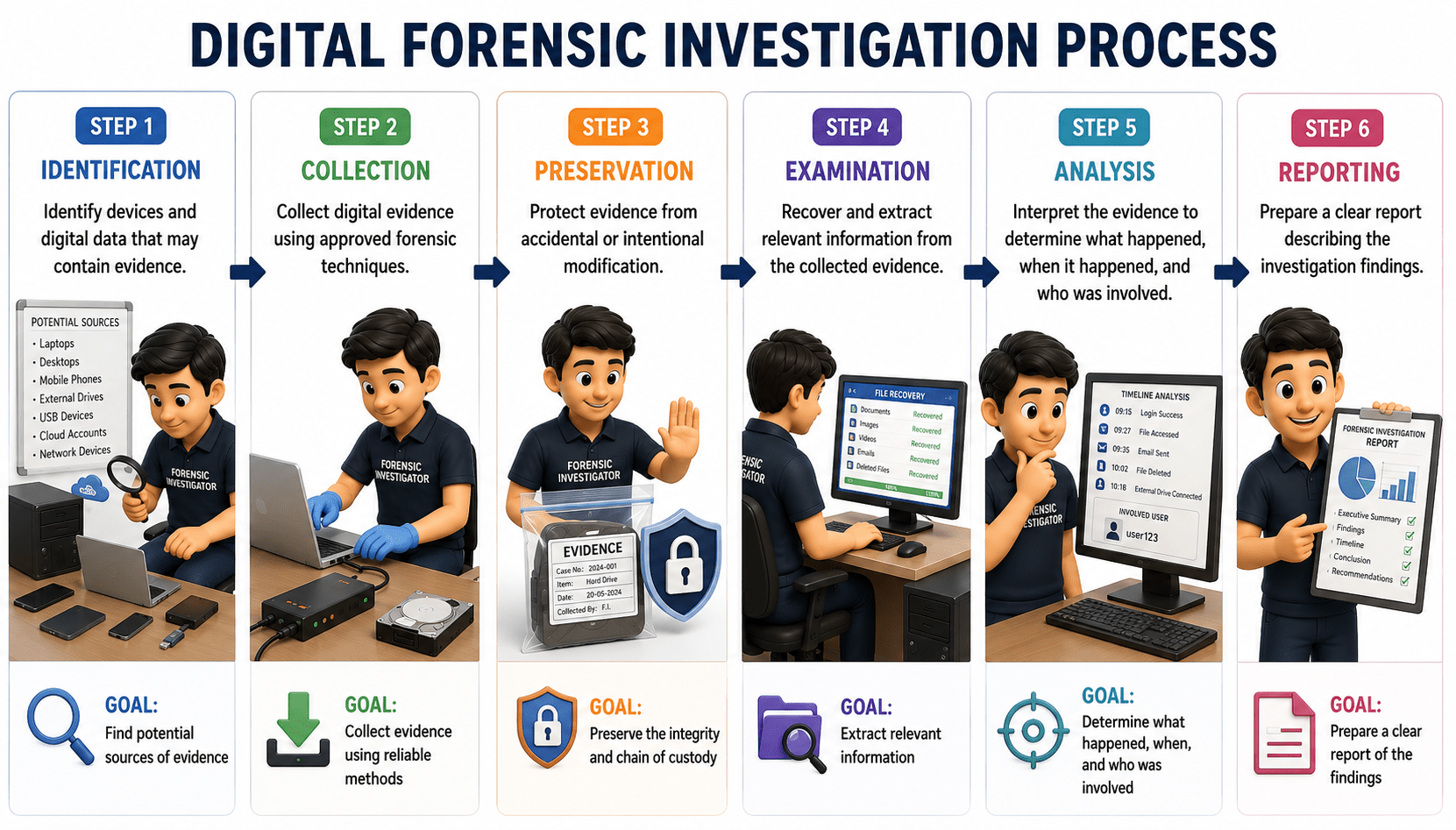
Following these steps helps maintain the integrity of digital evidence throughout the investigation.
# Forensic Principles and Methodology
Digital forensic investigations follow standard principles to ensure the evidence remains trustworthy.
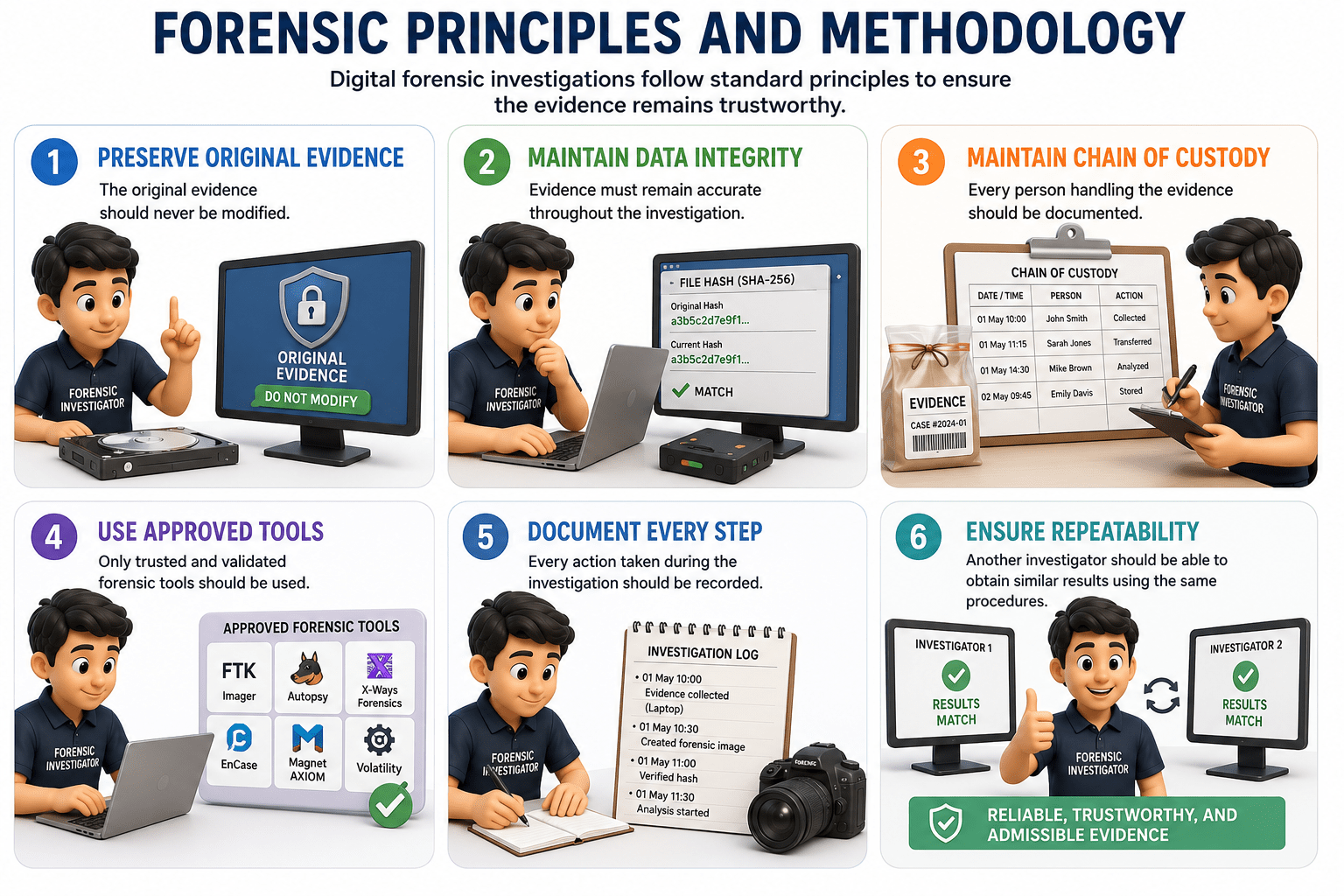
Forensic Principles and Methodology
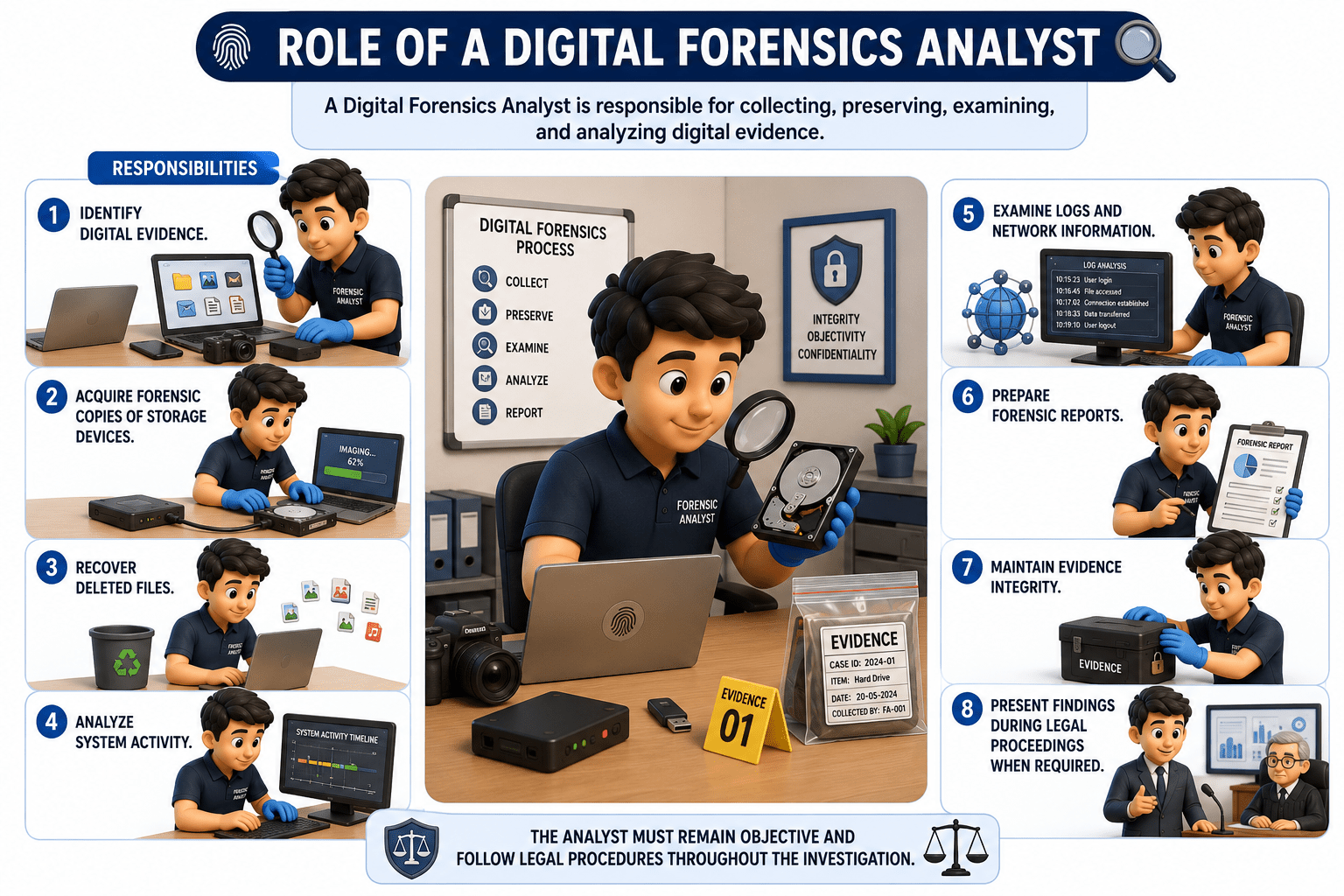
Role of a Digital Forensics Analyst
A Digital Forensics Analyst is responsible for collecting, preserving, examining, and analyzing digital evidence.

Responsibilities :-
Identify digital evidence.
Acquire forensic copies of storage devices.
Recover deleted files.
Analyze system activity.
Examine logs and network information.
The analyst must remain objective and follow legal procedures throughout the investigation.
Cybercrime and Digital Investigations
Cybercrime refers to criminal activities involving computers, digital devices, or the internet.
Examples :-

Hacking
Data theft
Identity theft
Ransomware attacks
Online fraud
Phishing
Digital investigations help identify how these crimes occurred, collect digital evidence, and support legal action against offender
Forensic Readiness
Forensic readiness means preparing an organization to efficiently collect and preserve digital evidence before a security incident occurs.
Benefits :-
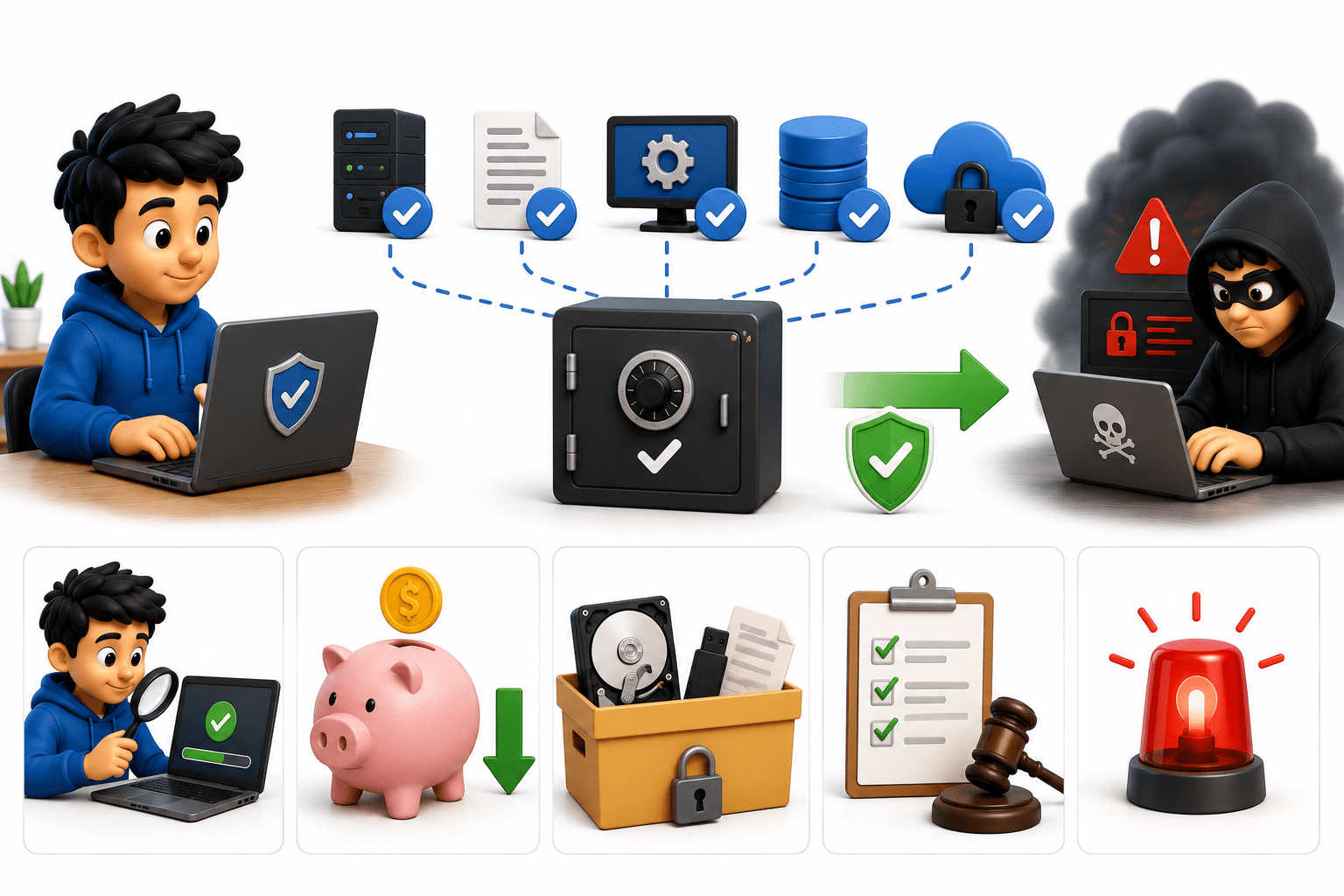
Faster investigations
Improved legal compliance.
Better evidence preservation
Reduced investigation costs
Faster incident response.
Forensic Readiness
The first step in any investigation is identifying potential sources of digital evidence.
Common Techniques :-
Faster investigations
Improved legal compliance.
Better evidence preservation
Reduced investigation costs
Faster incident response.
Summary
5
Build strong branding
4
Use different marketing channels
3
Target the right audience
2
Create and communicate value
1
Understand customer needs
Quiz
Which platform is mainly used for professional networking and B2B marketing ?
A. Facebook
B. Instagram
C. LinkedIn
D. Snapchat

Quiz-Answer
Which platform is mainly used for professional networking and B2B marketing ?
A. Facebook
B. Instagram
C. LinkedIn
D. Snapchat
