API Automation with Rest Assured


Validating Response Codes & Body


Learning Outcome
3
2
1
Understand the importance of API response validation
Verify HTTP status codes using Rest Assured
Validate response bodies using string matching and JSON Path
Apply assertions to ensure correct API behavior
4
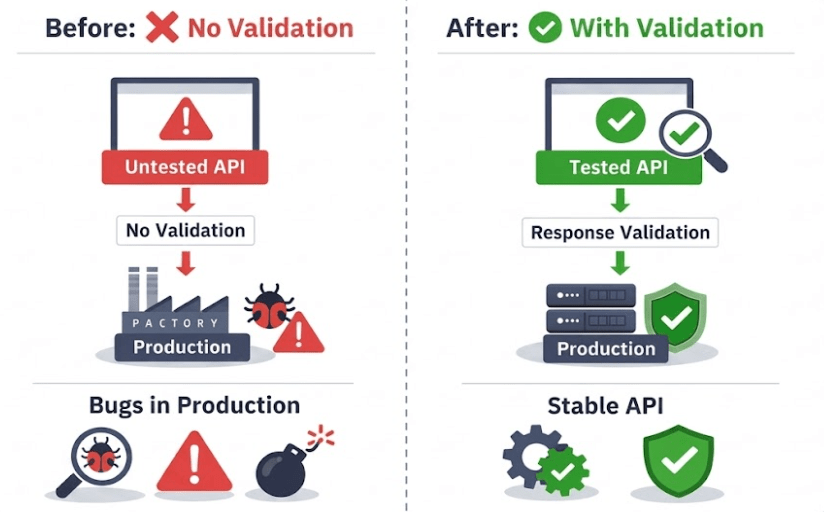
Without validation, tests are meaningless. Validation ensures correctness, reliability, and confidence in APIs.

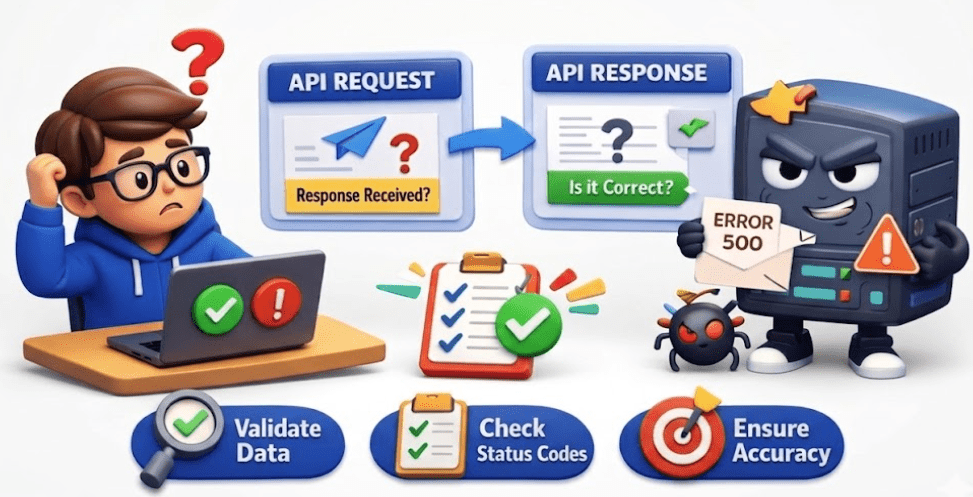

When an API request is executed, receiving a response from the server is not enough.
Testers must verify whether the response is correct, complete, and meets the expected requirements.
Without validation, tests are meaningless. Validation ensures correctness, reliability, and confidence in APIs.
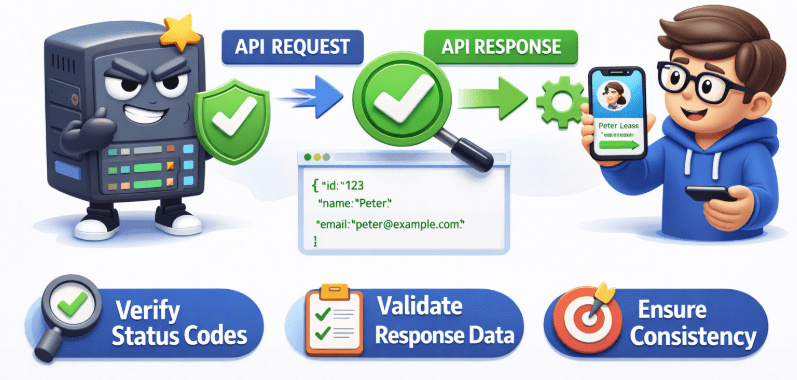
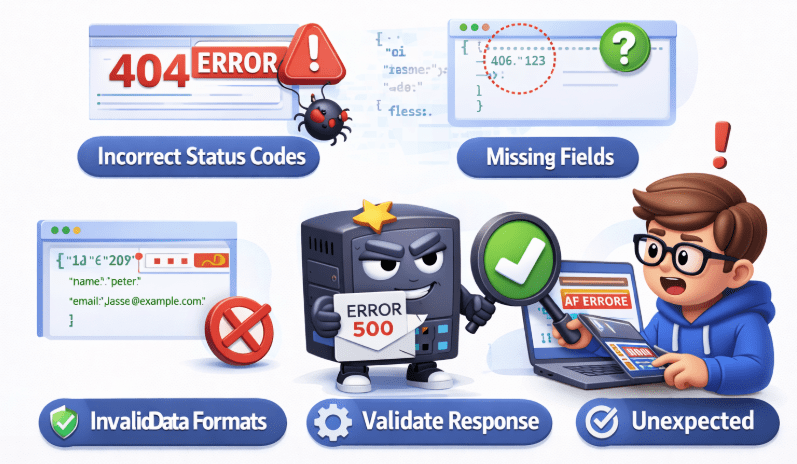
Response validation ensures that the API behaves as expected and returns accurate data to the client application.
It helps detect issues such as incorrect status codes, missing fields, invalid data formats, or unexpected responses.

What Can Be Validated in Rest Assured
Rest Assured allows testers to validate different parts of the API response, such as:
Response Body – Verifies that the returned data contains expected values
Headers – Checks metadata information like authentication tokens or server details.
Content Type – Confirms the response format (e.g., JSON, XML).
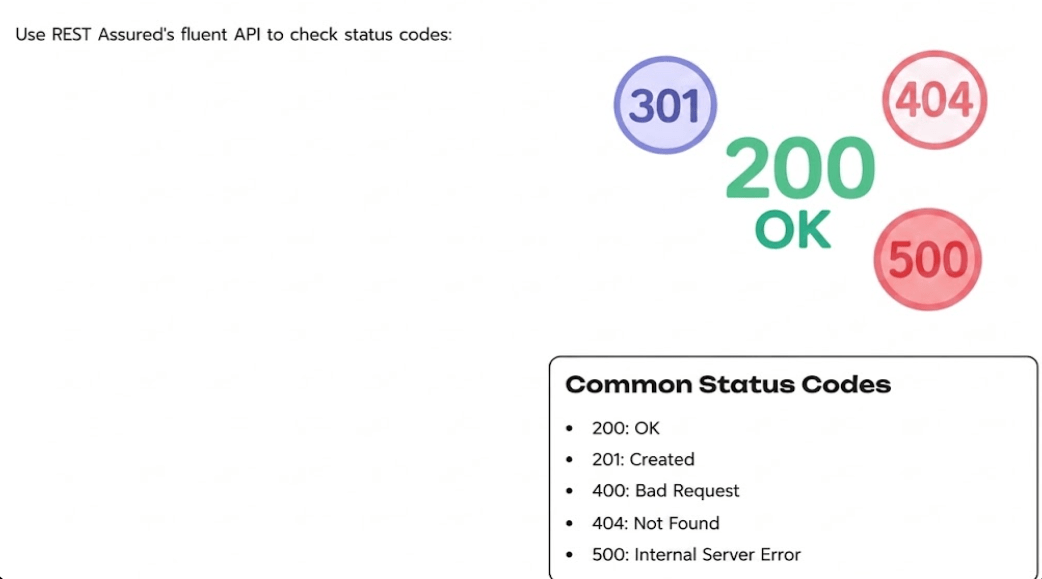
Status code – Ensures the API request was processed successfully (e.g., 200, 201).
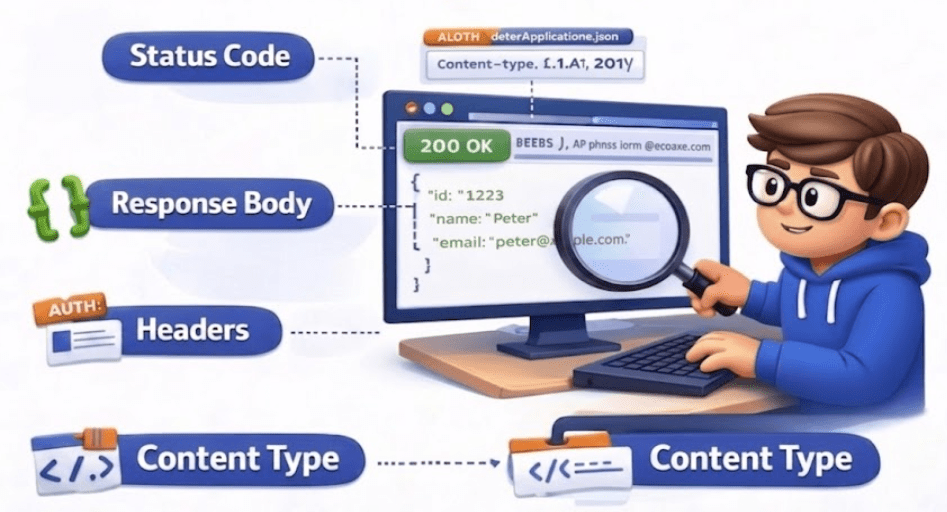
What to validate

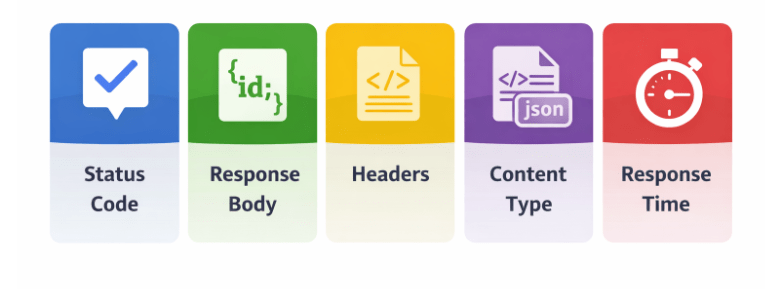

Status Code

-
Indicates the result of an API request
-
Confirms whether request was successful or failed
-
This is the first level of validation
-
Quickly tells if request succeeded or failed
-
Status code alone is not enough
Examples :
200 → Success
201 → Created
400 → Bad Request
404 → Not Found
500 → Server Error
Status Code
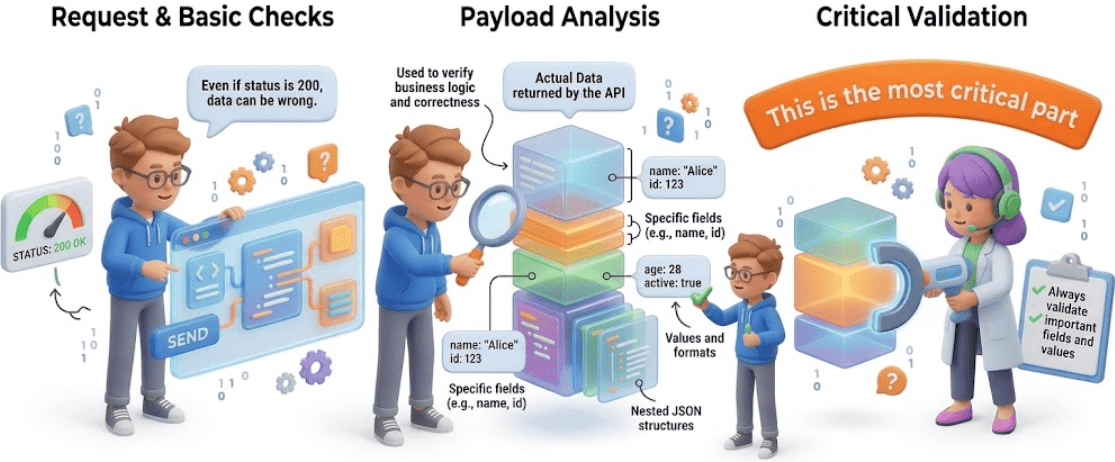
Status Code
-
Contains actual data returned by the API
-
Used to verify business logic and correctness
-
Can validate:
-
Specific fields (e.g., name, id)
-
Values and formats
-
Nested JSON structures
-
This is the most critical part, Even if status is 200, data can be wrong
Always validate important fields and values
Headers
-
Provide metadata about the response
-
Used for validation of:
-
Authorization details
-
Caching information
-
Server and response behavior
-
These carry additional information
Useful in advanced scenarios like auth, caching

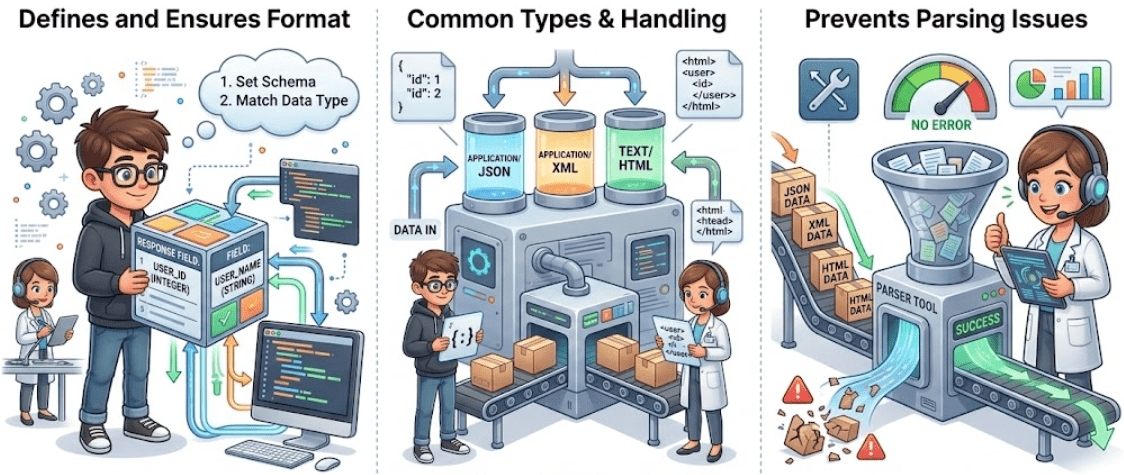
Content Type
-
Defines the format of the response
-
Ensures API returns expected data type
-
Common types:
-
application/json
-
application/xml
-
text/html
-
Prevents issues when parsing response
Response Time
-
Measures how fast the API responds
-
Important for performance testing
-
Helps ensure API meets SLA requirements
Slow APIs can still be “correct” but not usable

Response Time
Think of API validation like ordering food —
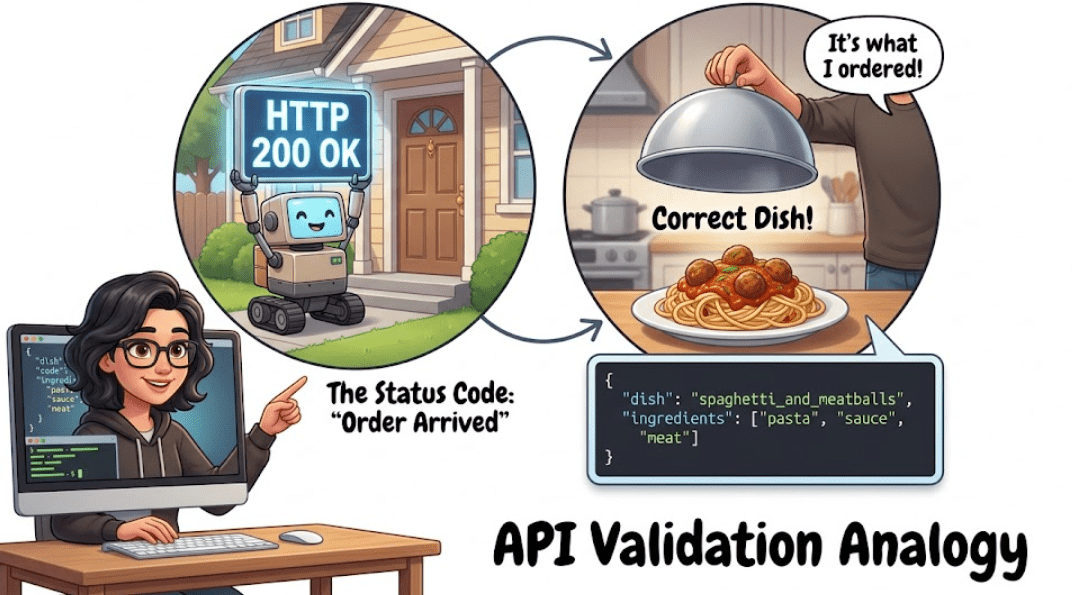
Status code tells you the order arrived,
But response body tells you if it’s the correct dish.”
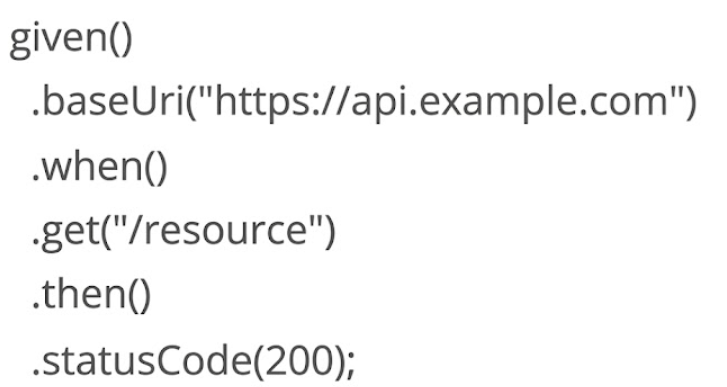
Asserting HTTP status code
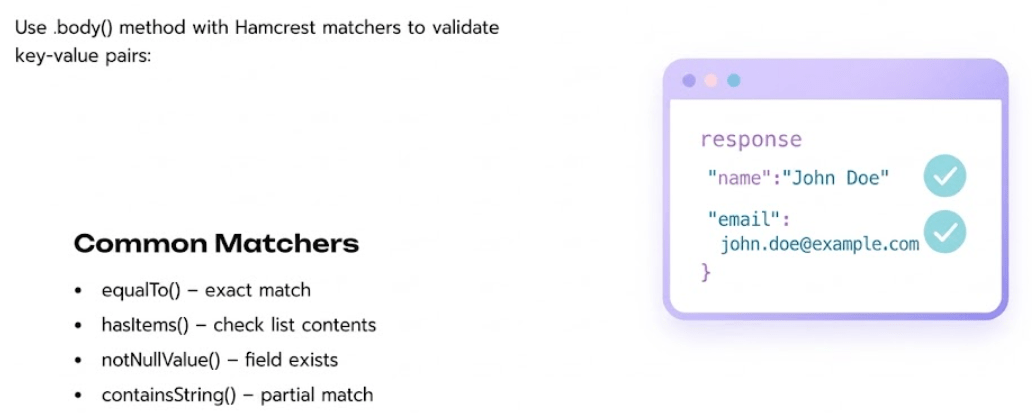
Validating simple JSON Response
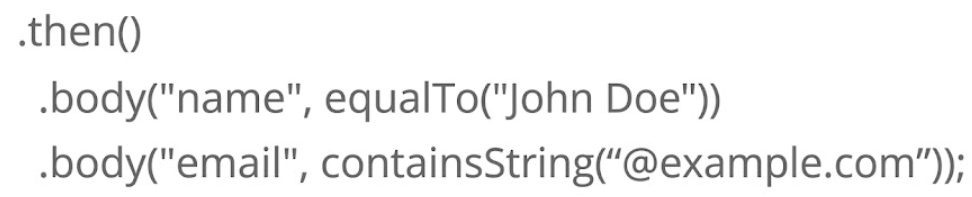
Validation using jsonPath()


JSON Path is a syntax used to navigate and extract data from a JSON response
It helps access specific fields, values, and nested elements easily
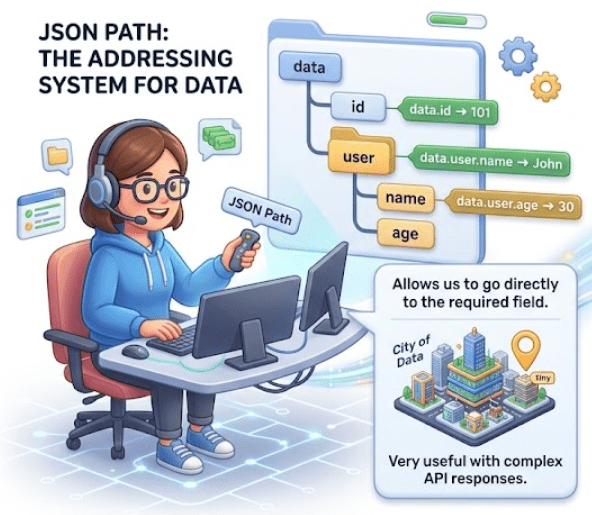
Accessing Values Using JSON Pathg
-
data.id → 101
-
data.user.name → John
-
data.user.age → 30
JSON Path is like addressing system for JSON data
Very useful when working with complex API responses
It allows us to go directly to the required field
(Public API)
How JSON Path is Used in Validation
Used inside .body() method to validate response fields
Helps verify specific values in API response
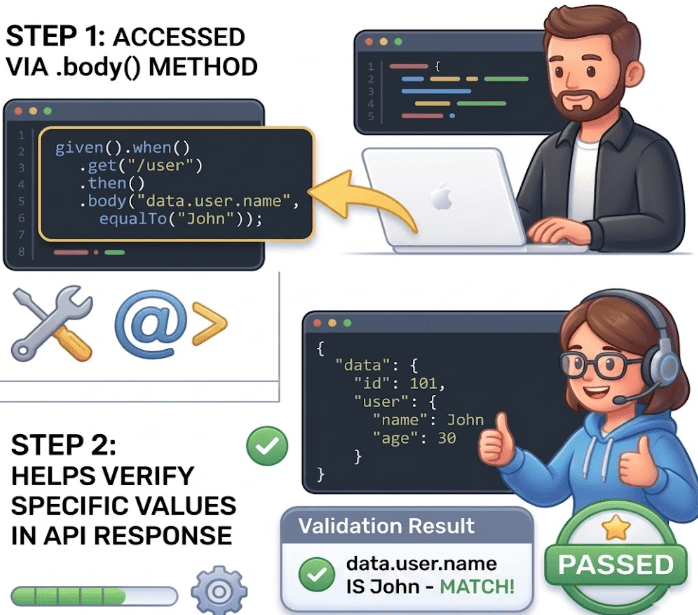
Example :
.then().body("data.user.name", equalTo("John"));

What happens here ??
Navigates to → data.user.name
-
Extracts value → "John"
-
Compares with expected value using equalTo()


Advanced Usage Examples
1 . Validate List Value
.then().body("users[0].name", equalTo("John"));
2 . Validate Multiple Values
.then()
.body("data.id", equalTo(101))
.body("data.user.age", equalTo(30));
-
Handles nested JSON easily

Why JSON Path is important
-
Makes validation clean and readable
-
Reduces complexity in API tests
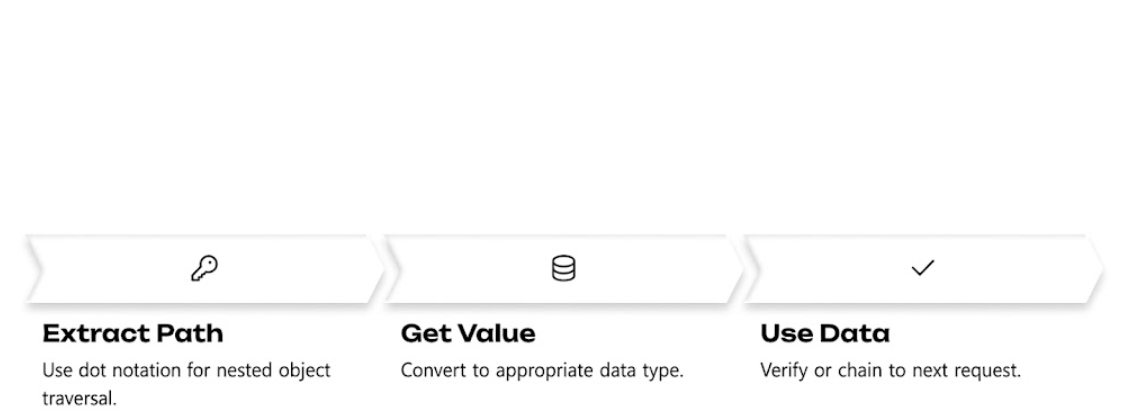
Using jsonPath() for Nested Values

Response response = given()
.baseUrl("https://api.example.com")
.when()
.get("/user/details");
String city = response.jsonPath().getString("address.city");
System.out.println("City: " + city);
JSON Path is like Google Maps for your API response —
it takes you exactly where your data is.”

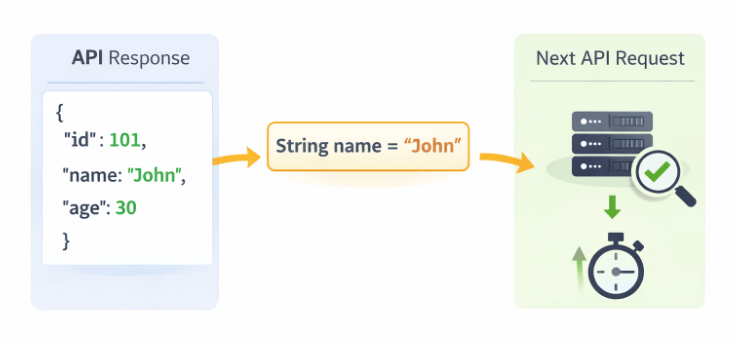
What is Extracting Response Data ??
-
Process of retrieving specific values from API response
-
Stored in variables for reuse in test automation
-
Enables dynamic and real-time testing
Why is it important ??
-
APIs often return dynamic data (IDs, tokens, etc.)
-
Hardcoding values is not reliable
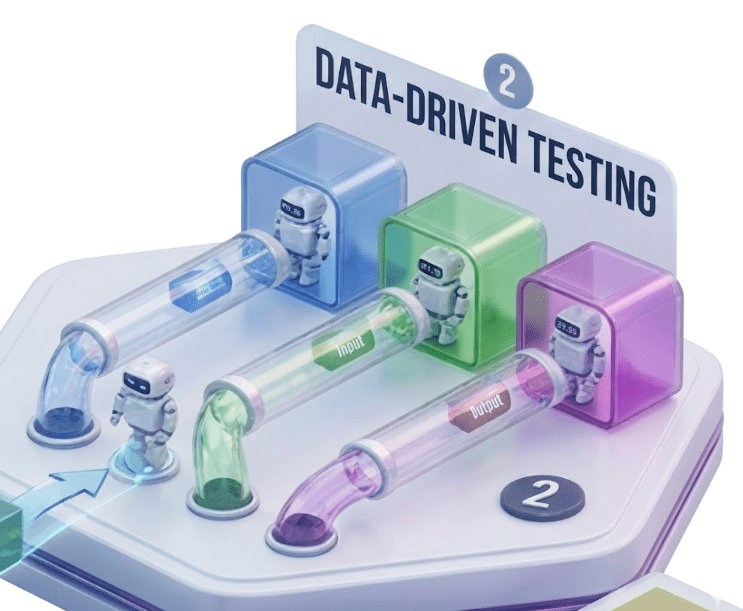
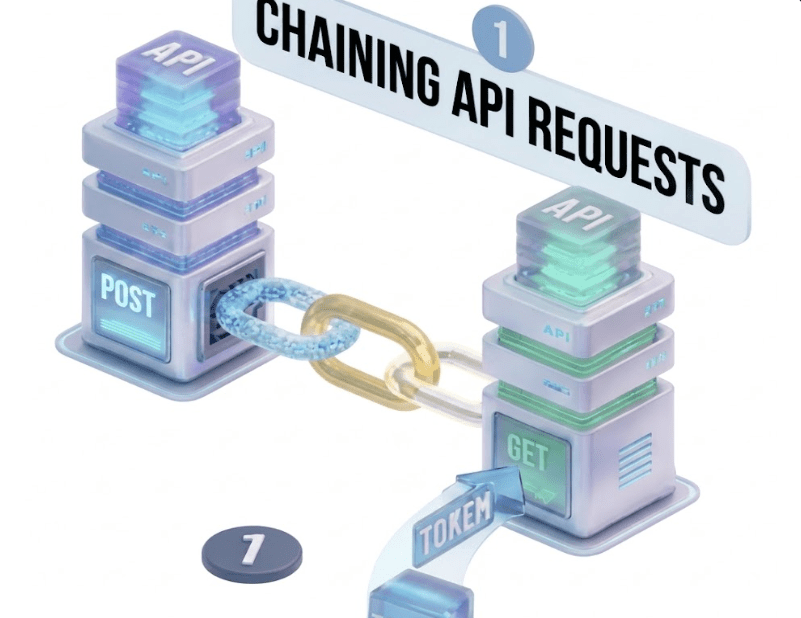
Helps in:

Setup and Configuration for REST Assured
Build and Validate Project
Maven will automatically download dependencies.
Check External/Referenced Libraries in your IDE


Setup and Configuration for REST Assured
Build and Validate Project
Execute a simple test to confirm proper setup.

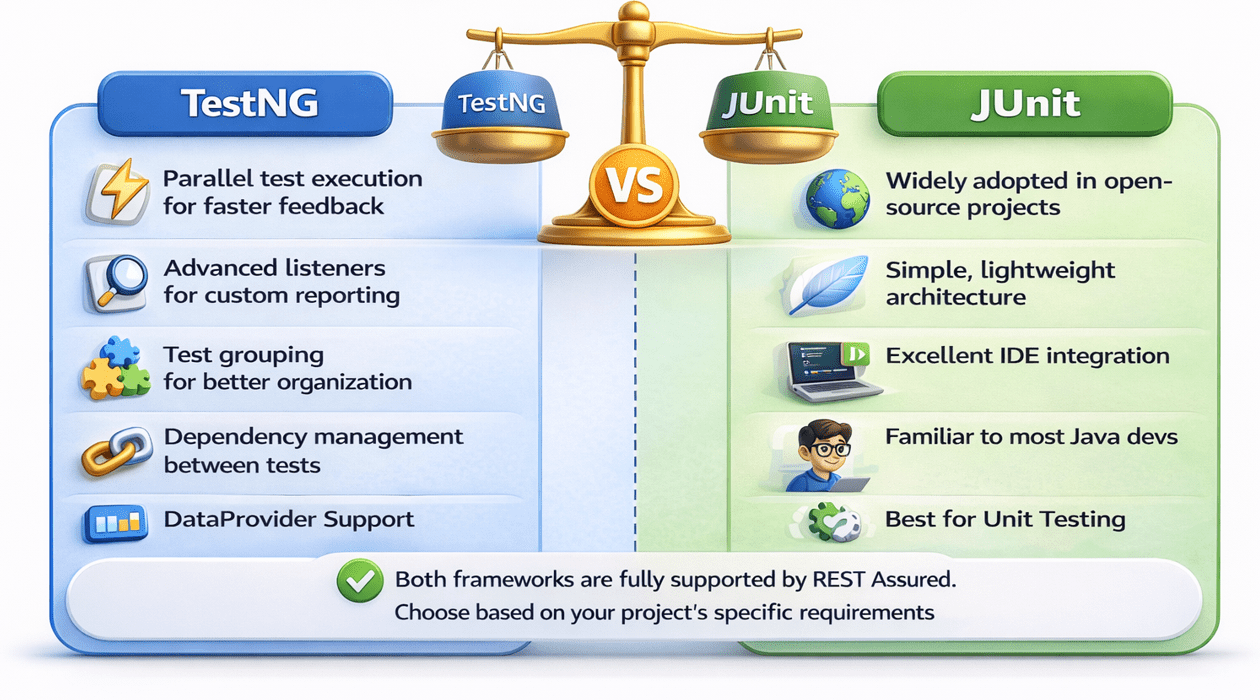
Choosing Between TestNG and JUnit
Recommended Project Structure
Contains actual test classes with API verifications.
Shared setup and configuration classes.


Recommended Project Structure
Helper classes for JSON parsing and token generation.

Best Practices for Setup
Base Configuration
public class BaseClass {

    private URI uri;
    private HttpHeaders headers;

    public void setUri(URI uri) {
        this.uri = uri;
    }

    public void setHeaders(HttpHeaders headers) {
        this.headers = headers;
    }
}{{auth_token}}
Keep base URI and common headers in a shared base class. This centralizes common settings.
Best Practices for Setup
Environment Properties
# API testing configuration
# Environment variables
# Base URL
# timeout = $TIMEOUT

base_url = ${BASE_URL}
api_key  = ${API_KEY}
timeout  = ${TIMEOUT}
Use properties files for environment-specific configs. Enables easy switching between test environments.
Best Practices for Setup
Modular Design
public class ModularTestSteps {

    WebDriver driver = new ChromeDriver();

    public void test() {
        driver.get("https://example.com");
        assertThat(driver.getTitle(), equalTo("Example Domain"));
    }
}
Create reusable test components. Use Hamcrest for readable assertions.
Summary
4
Manual testing is useful for quick checks,automation suits large-scale testing
3
Tools like Rest Assured simplify and enhance API test automation
2
API Automation ensures faster and reliable testing
1
API testing validates system communication and data accuracy
Quiz
Which of the following is a benefit of API automation?
A. Slower execution
B. Requires more manual effort
C. Faster and repeatable testing
D. Only used for UI testing

Quiz-Answer
Which of the following is a benefit of API automation?
A. Slower execution
B. Requires more manual effort
D. Only used for UI testing

C. Faster and repeatable testing