











Content ITV PRO
This is Itvedant Content department
Learning Outcome
5
Recognize real-world applications of CNNs
4
Understand the flow of data through a CNN
3
Identify the key components of a CNN
2
Describe why CNNs are used for image and video data
1
Explain what a Convolutional Neural Network (CNN) is
Name-Recall
Images are made of pixels
Videos are sequences of image frames
OCR and image processing rely on patterns in images
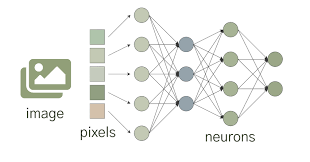
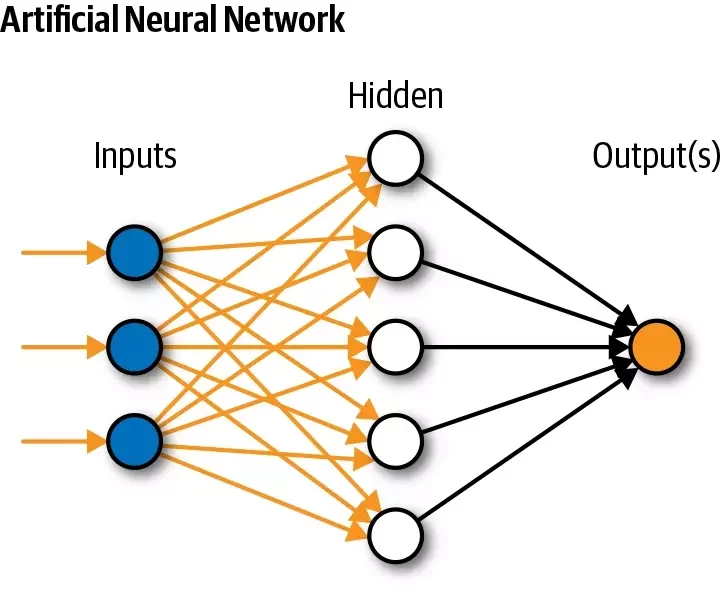
ANNs process numerical data
Images are data - but they have structure
Analogy
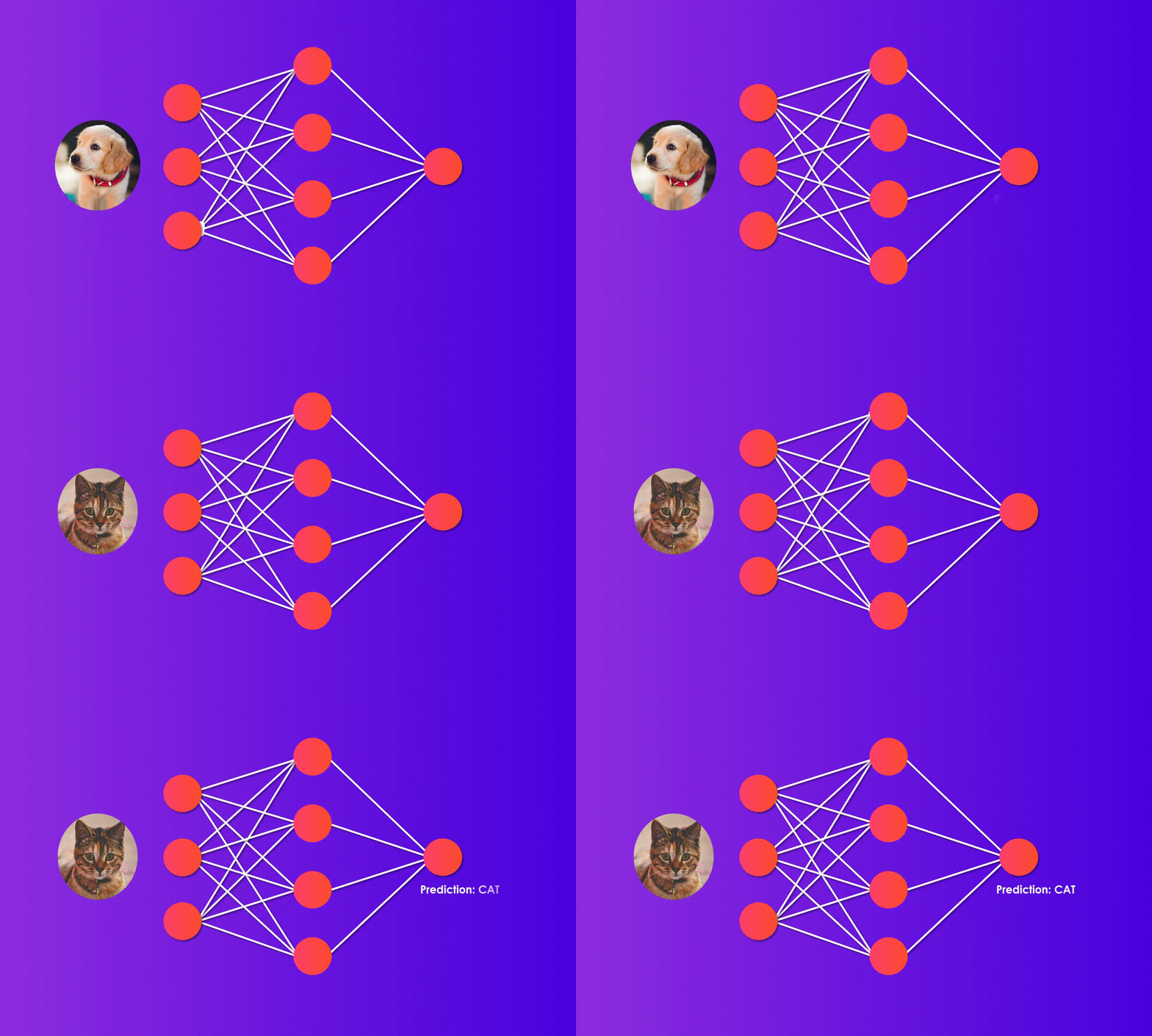
Assume... ! You show an image to the computer
The computer asks:
It doesn’t know which part of the image matters.
“This is a cat.”
CNNs are the method we use to teach computers to learn images by experience, not by hard-coded rules.
What if, instead of explaining everything,let the computer learn by looking at many images, just like humans learn by seeing things again and again?
Solution
The Problem is:
CNNs are neural networks built specifically to understand images
Definition:
A Convolutional Neural Network (CNN) is a type of deep neural network primarily used for image and video recognition.
Key Characteristics:
Unlike traditional ANNs, CNNs can recognize where features appear in an image.
Problem with ANNs:
CNN Advantage:
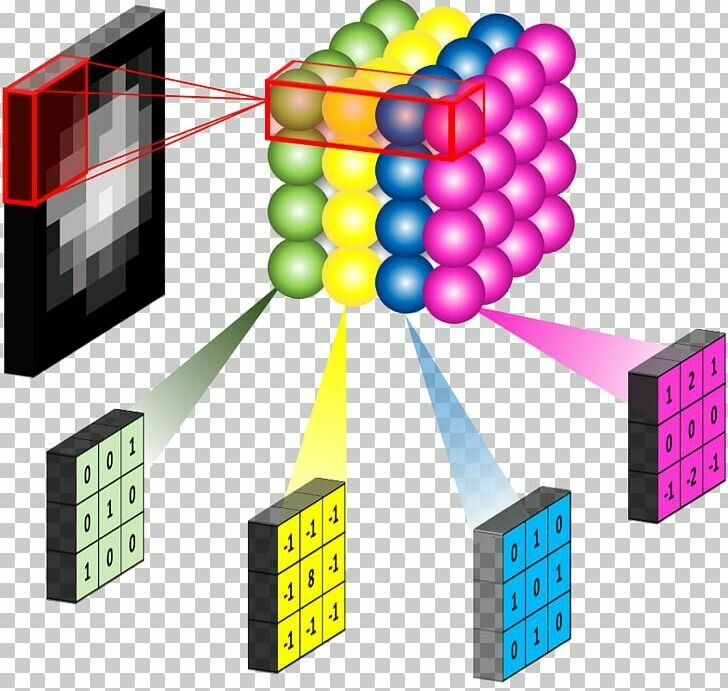
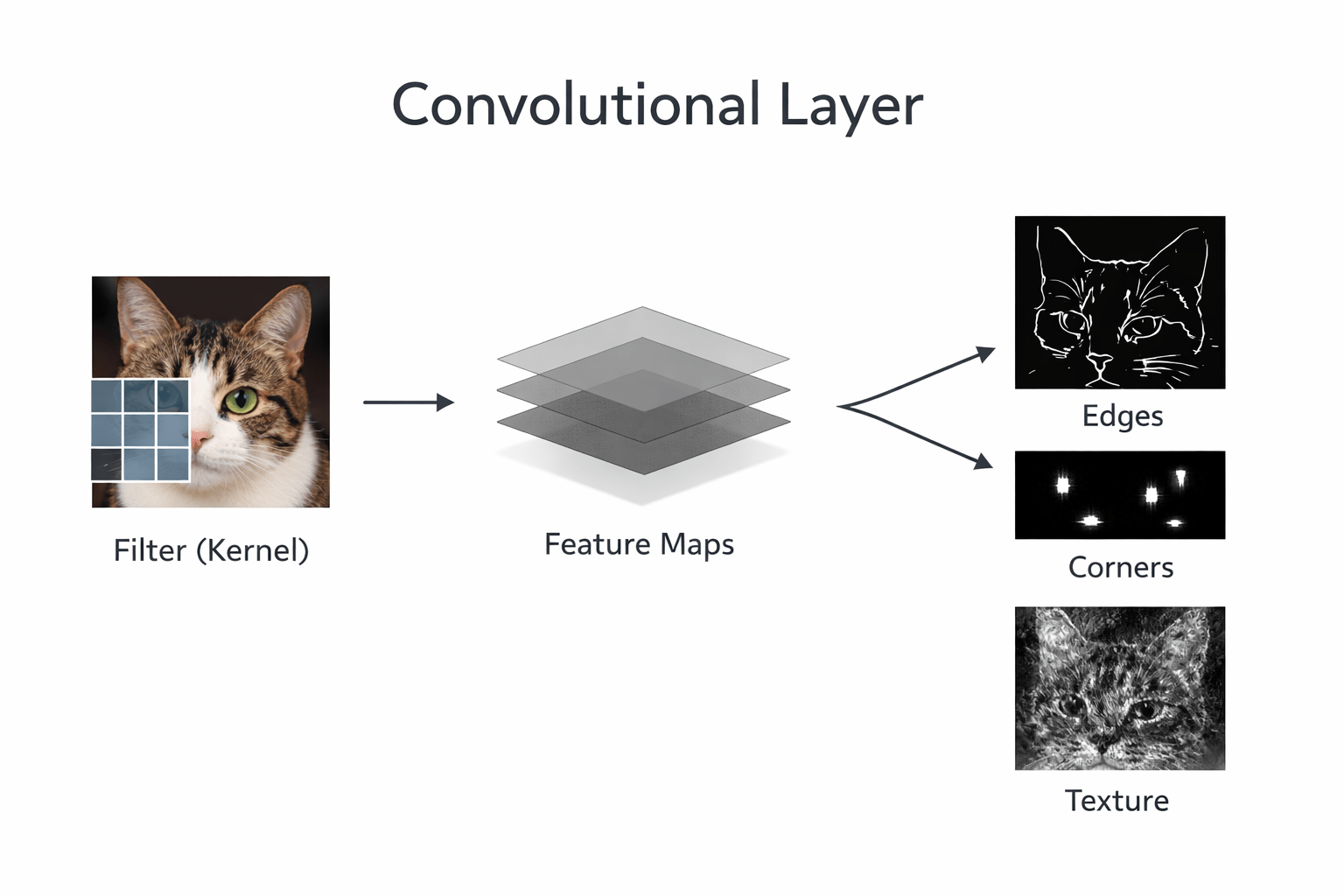
What It Does:
Code:
Conv2D(filters=32, kernel_size=(3, 3),
       activation='relu', input_shape=(64, 64, 3))
Each filter looks for a specific pattern in the image.
Purpose:
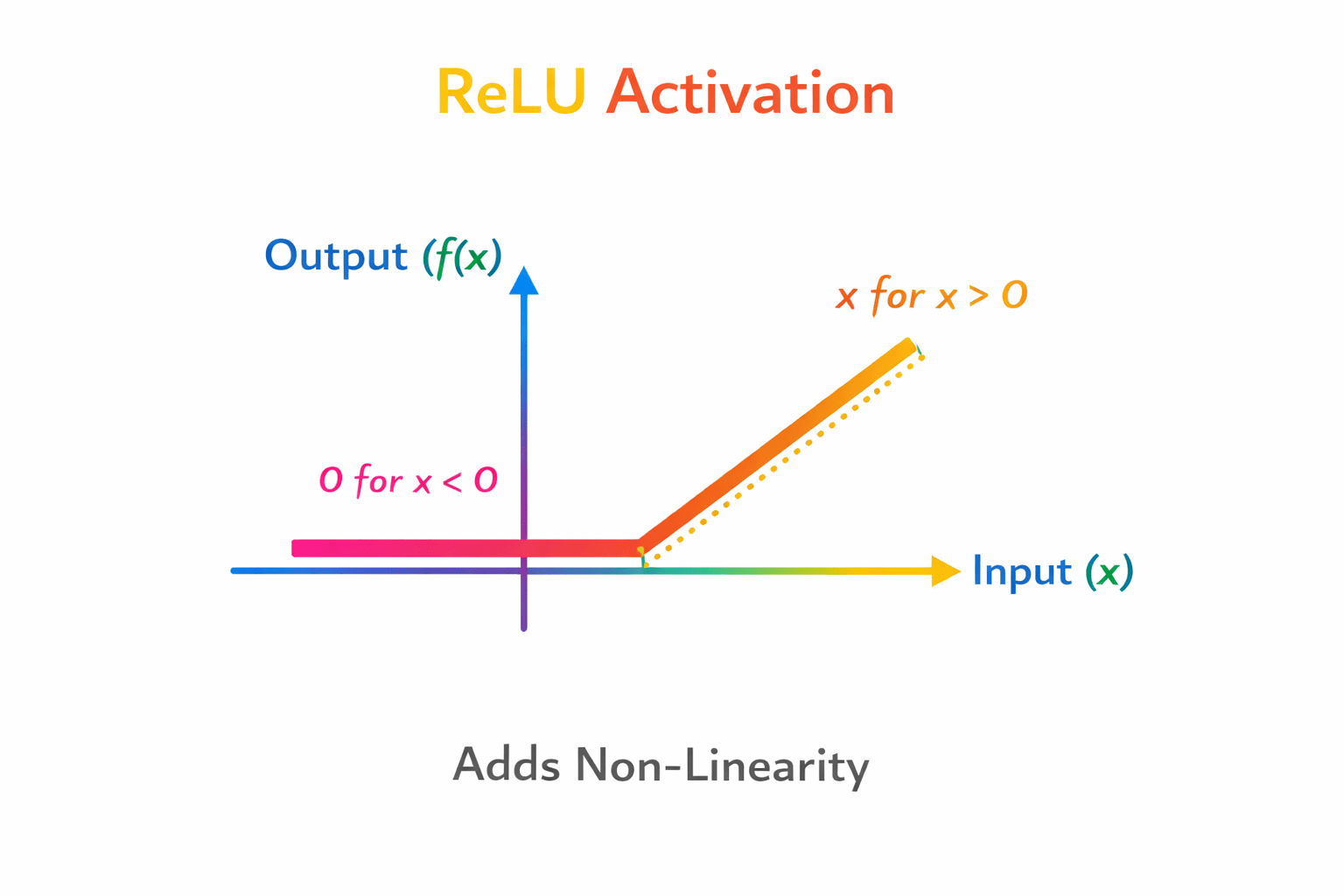
Code:
Activation('relu')ReLU keeps useful signals and removes negative values.
Purpose:
Code:
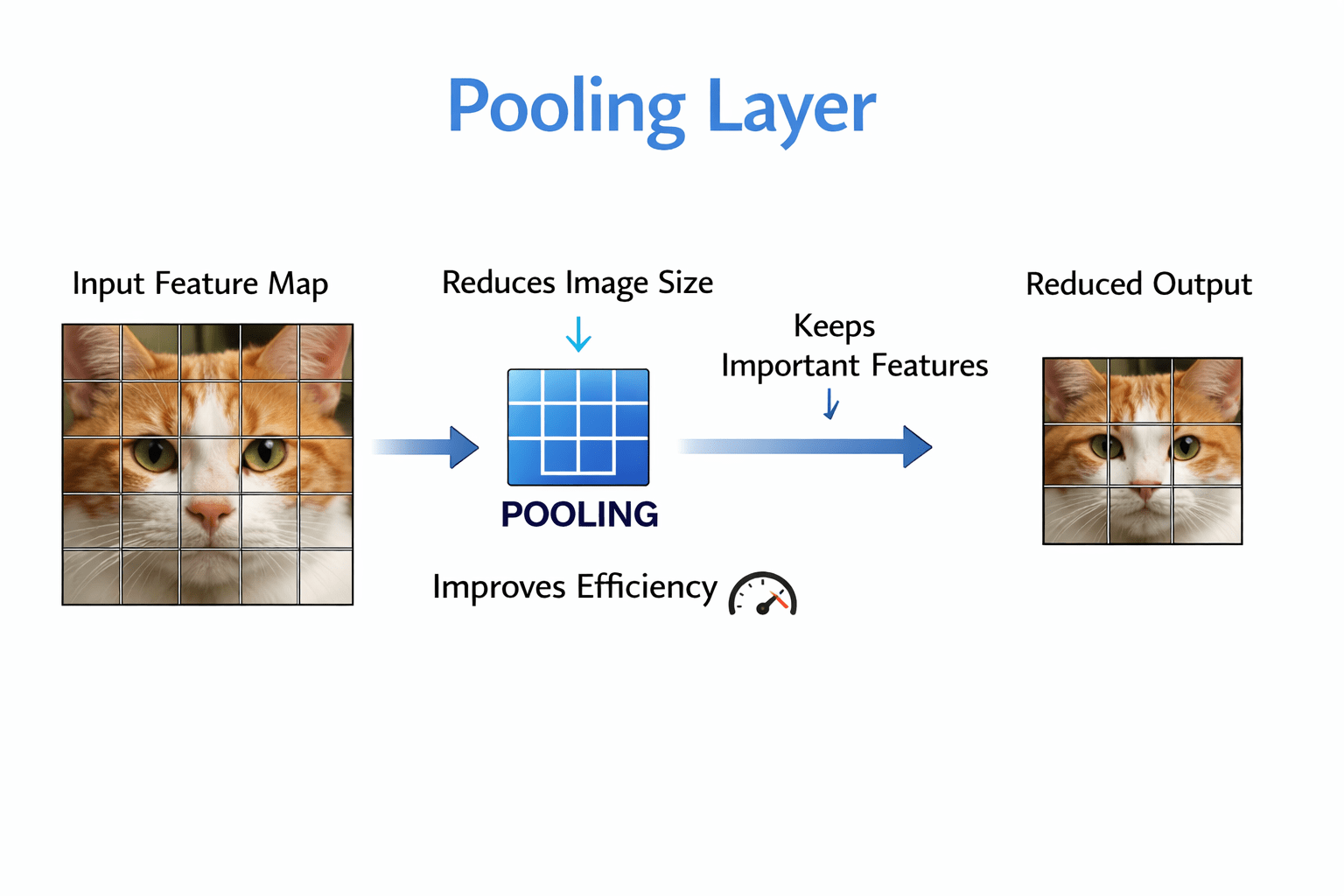
MaxPooling2D(pool_size=(2, 2))Pooling summarizes features and reduces computation.
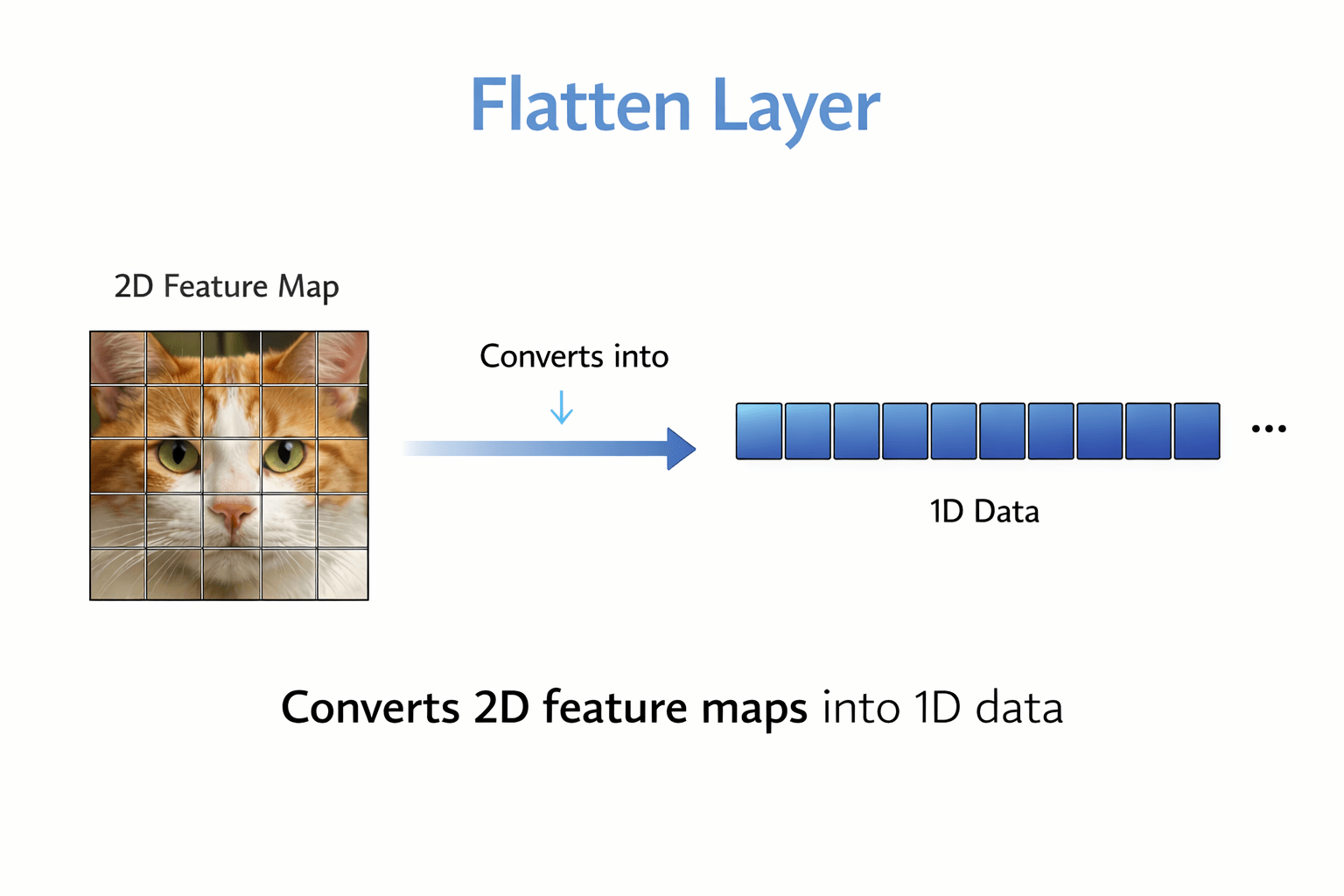
What It Does:
Converts 2D feature maps into 1D data
Flatten()Flattening prepares data for final decision-making layers.
Code:
Purpose:
Code:
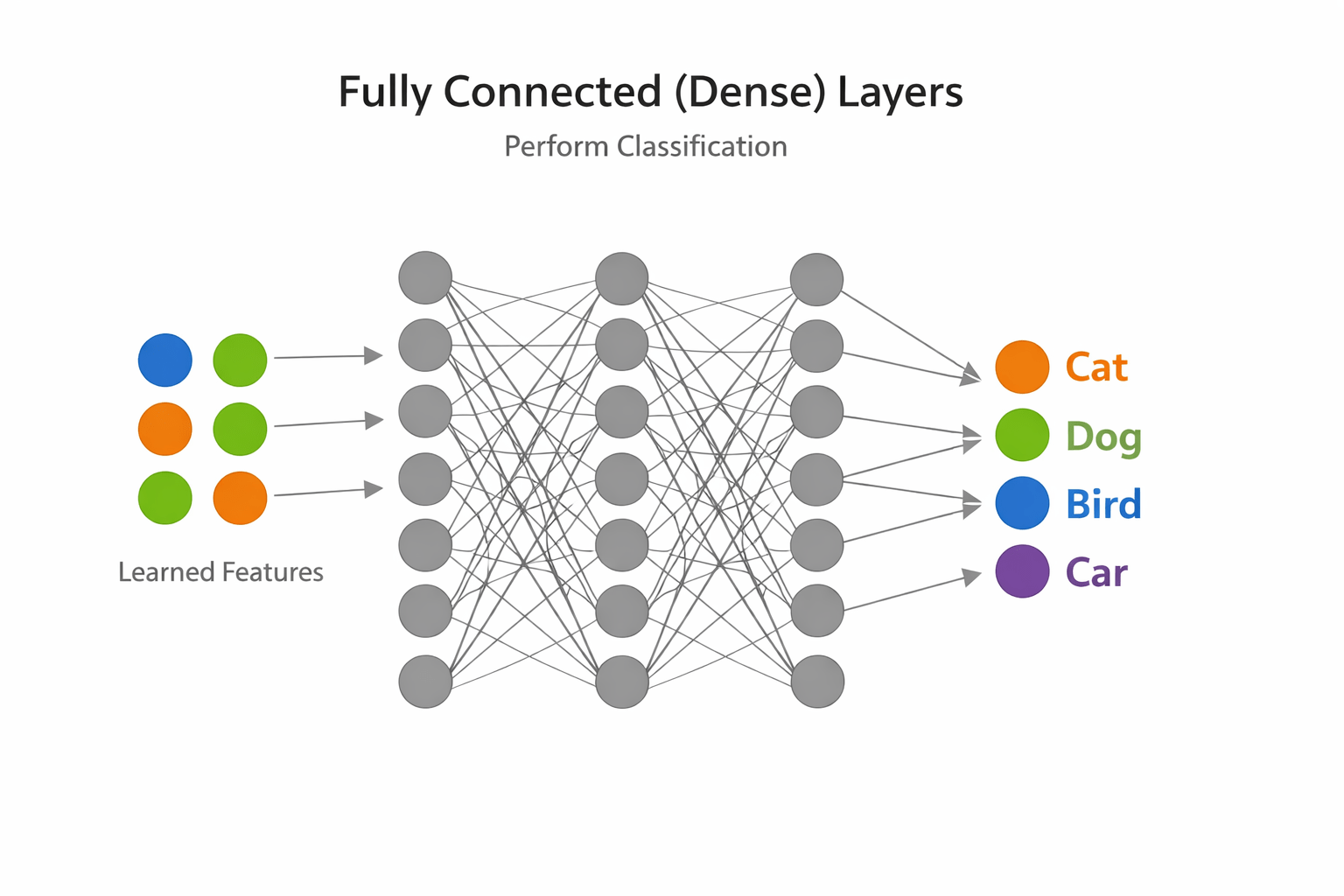
Dense(128, activation='relu')
Dense(10, activation='softmax')
The final layer gives the probability of each possible class.
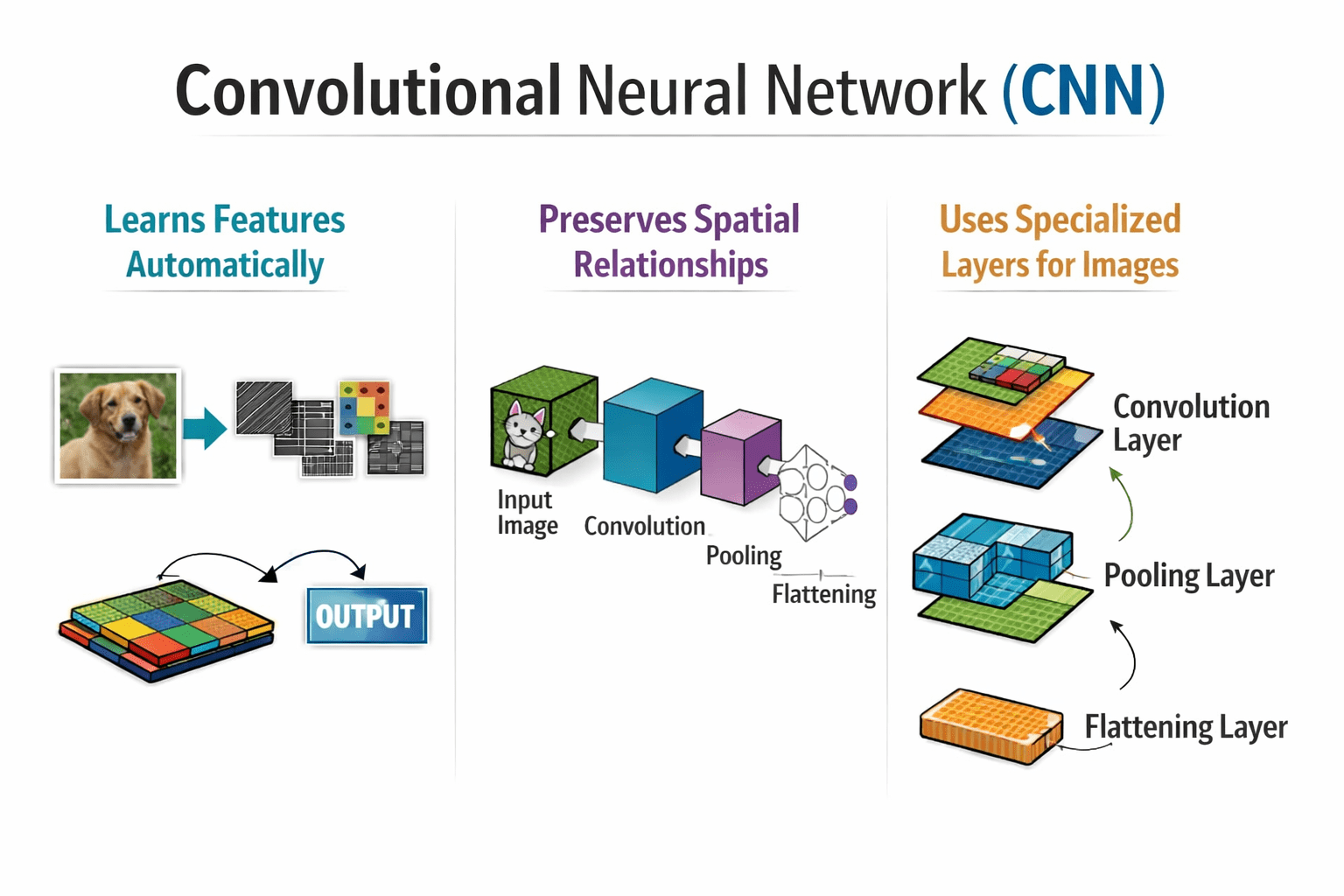
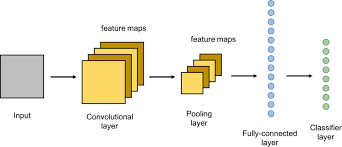
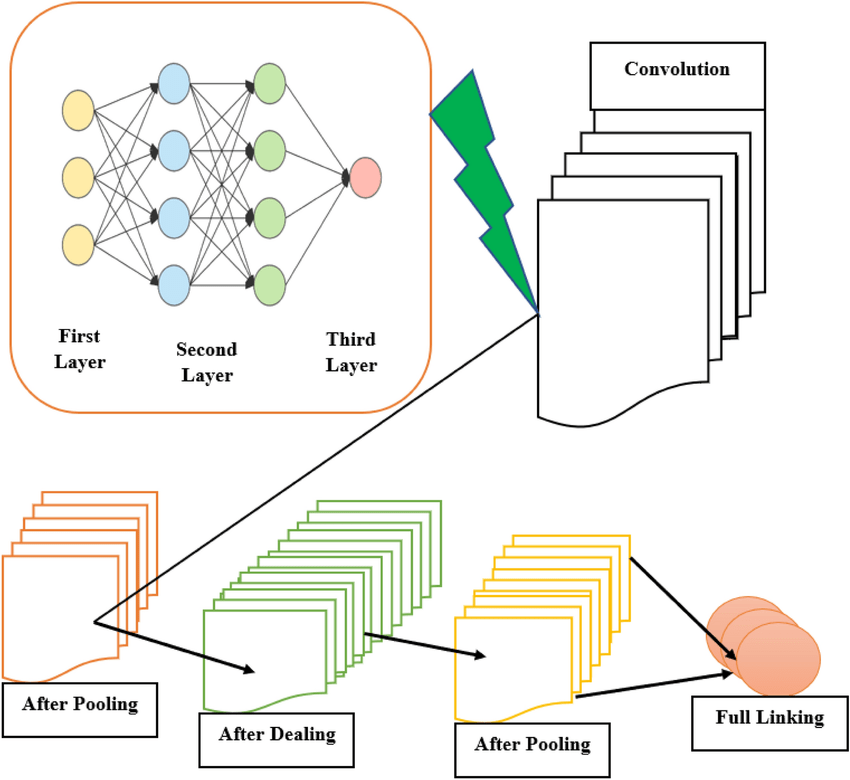
Convolution → Pooling (repeated)
Flatten
Dense layers
Output
Typical CNN Structure:
CNNs learn from simple features to complex patterns.
Each stage refines the understanding of the image.
Data Flow:
Common Use Cases:
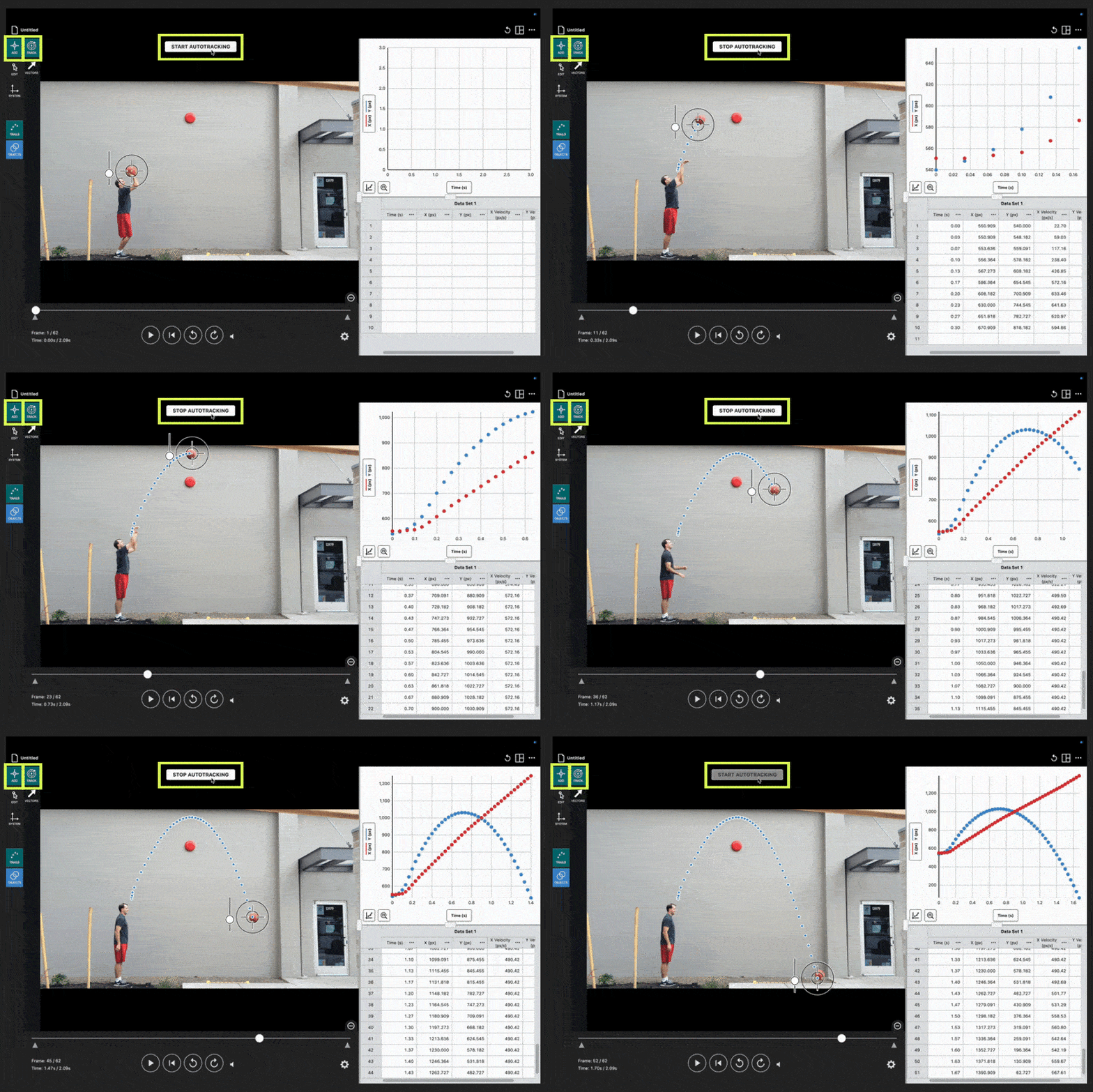
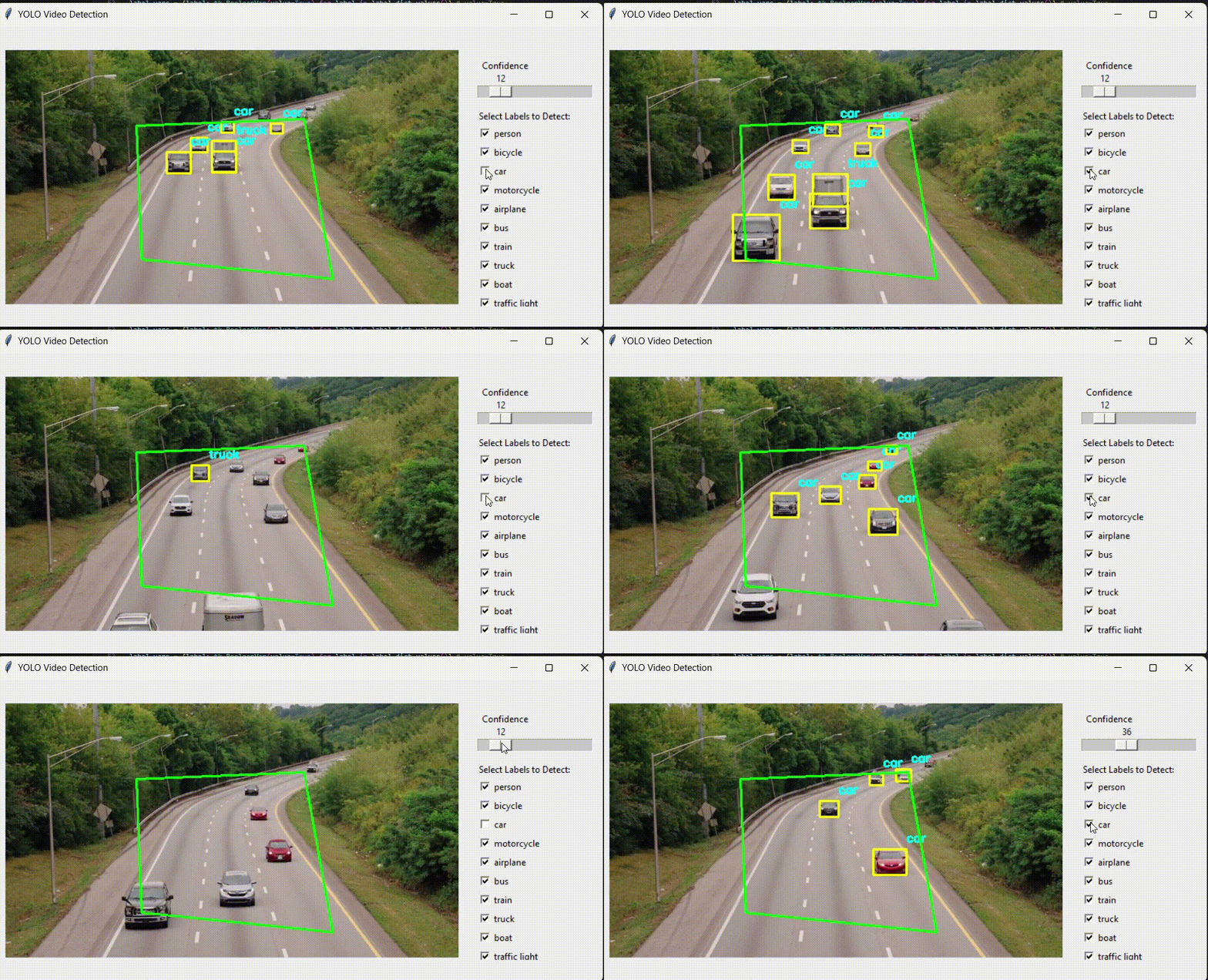
Object detection (YOLO, SSD)
Video frame analysis
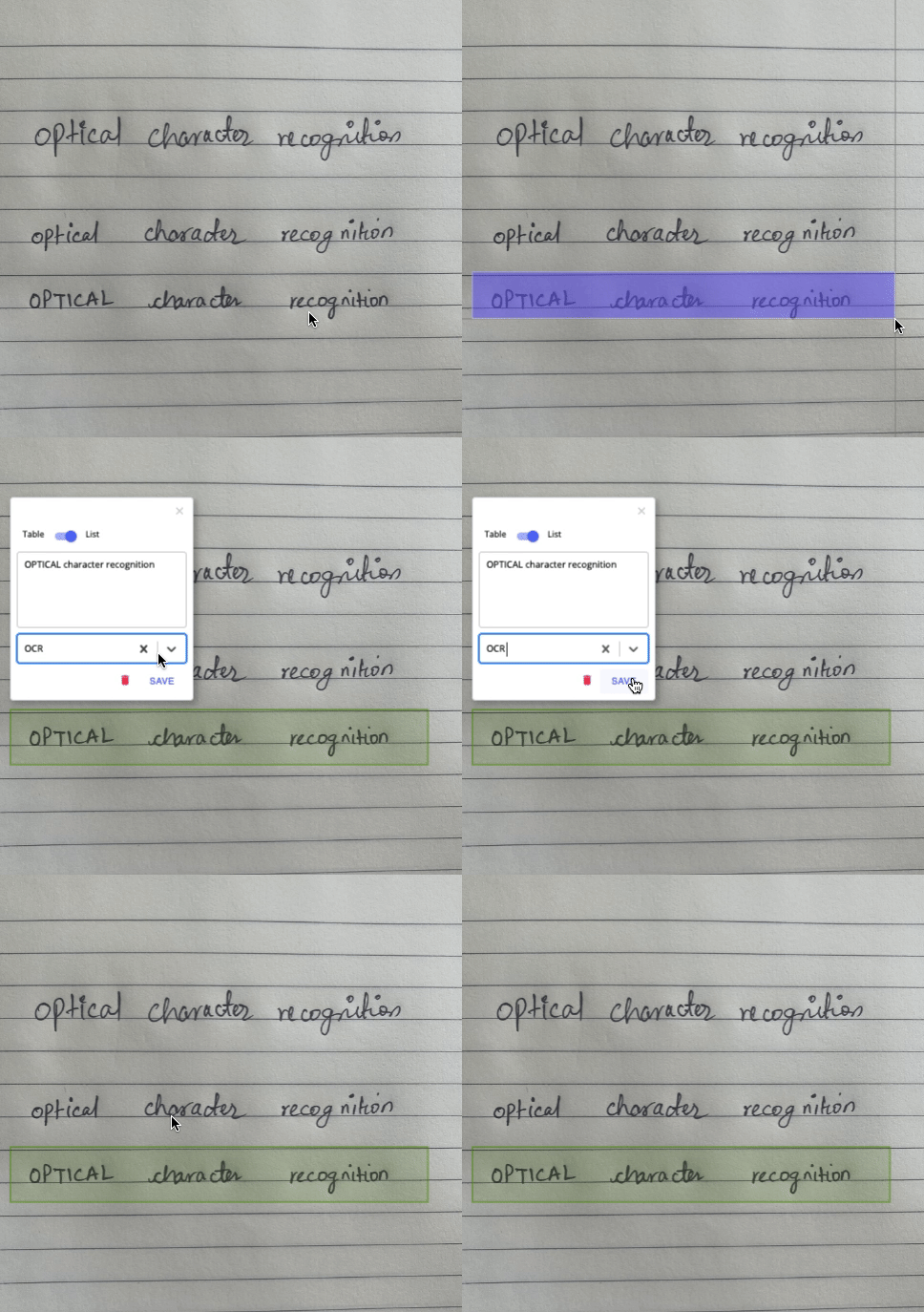
Handwriting recognition
Face recognition
Summary
5
They are the foundation of modern vision AI
4
CNNs preserve spatial structure
3
Key layers: Convolution, ReLU, Pooling, Flatten, Dense
2
They automatically learn visual features
1
CNNs are designed for image and video data
Quiz
Why are CNNs better than simple ANNs for images?
A. They use more neurons
A. They use more neurons
B. They preserve spatial information
C. They do not need data
D. They only work on text
Quiz
Why are CNNs better than simple ANNs for images?
A. They use more neurons
A. They use more neurons
B. They preserve spatial information
C. They do not need data
D. They only work on text
By Content ITV